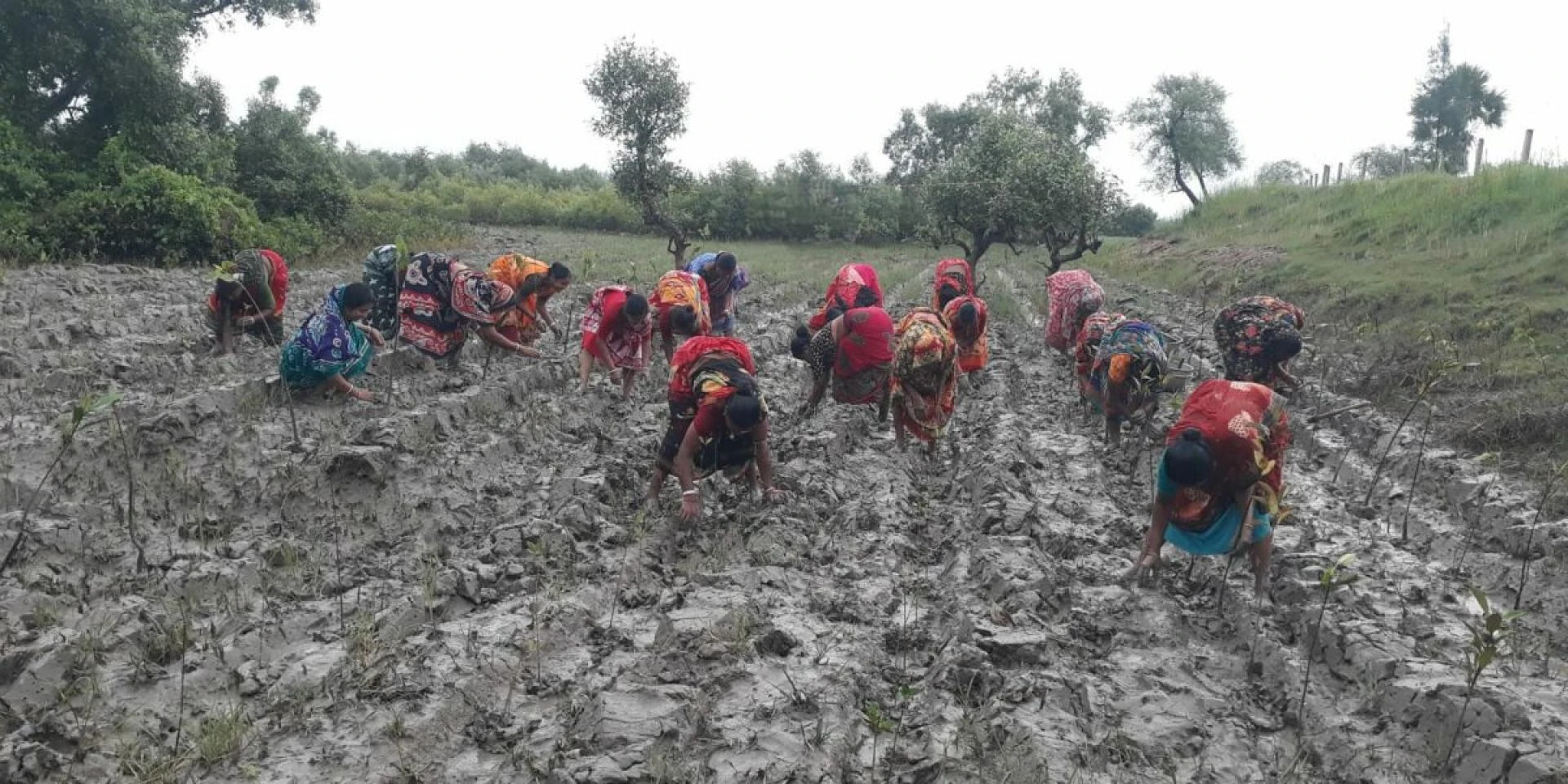

Introduction: A Disappearing World
The Indian Sundarbans, Earth's largest mangrove ecosystem and a UNESCO World Heritage Site, is vanishing at an alarming rate. This 10,000 sq km delta, where the Ganges, Brahmaputra and Meghna rivers meet the Bay of Bengal, is home to 4.6 million people and the endangered Bengal tiger. As climate change accelerates, the Indian Sundarbans faces a triple threat: rising seas, intensifying cyclones, and increasing salinity - creating one of the world's first climate refugee crises.
1. The Vanishing Act: Environmental Catastrophe Unfolding
The Indian Sundarbans is experiencing environmental changes at twice the global average:
- Land Loss: 100 sq km disappeared since 2000 (Jadavpur University)
- Sea Level Rise: 8mm/year (vs global 3mm)
- Salinity Intrusion: 75% of farmland now too saline for traditional crops
- Biodiversity Threat: 28% of mangrove cover lost since 1970s
"Where my grandfather grew rice, there is only saltwater now." - Farmer, Gosaba Island
2. The Human Crisis: Survival on the Edge
Marginalized communities face impossible choices:
Livelihood Collapse:
- Rice yields down 60% due to salinity
- Fish catches halved since 2000
- 40% of families in debt due to climate shocks
Health Emergency:
- 1 doctor per 50,000 people
- Waterborne diseases up 300% post-cyclones
Climate Exodus:
- 500,000 displaced since 2010
- Women & children trafficked as bonded labor
3. Conservation Conflicts: Protecting Nature vs People
Well-intentioned policies often backfire:
- Tiger reserves restrict fishing/honey collection
- Mangrove projects exclude local knowledge
- 60% of climate funds never reach communities
"They care more about tiger counts than child malnutrition." - Village elder, Satjelia
4. Seeds of Hope: Community-Led Solutions
Grassroots innovations showing results:
Climate-Smart Agriculture:
- Salt-tolerant rice varieties (Lunishree yields 3.5t/ha)
- Floating vegetable gardens
Ecological Enterprises:
- Women's honey cooperatives (200% income growth)
- Crab farming restoring wetlands
Disaster Tech:
- AI cyclone warnings (90% accuracy)
- Amphibious schools serving 5,000 children
5. A Survival Blueprint: The Path Forward
To save the Indian Sundarbans, we need:
- Community-Led Conservation - Integrate traditional knowledge
- Climate-Proof Livelihoods - Scale successful local models
- Amphibious Infrastructure - Schools, clinics that float
- Climate Justice - Hold polluters accountable
Conclusion: A Warning and a Model
The Indian Sundarbans presents humanity with a stark choice - continue exploiting nature or learn to adapt sustainably. The solutions exist, but require urgent action and political will.
"This isn't just about saving mangroves - it's about redefining how humanity coexists with nature."
Act Now:
✓ Support grassroots groups like Sundarbans Jan Sreejyan Sangha
✓ Demand implementation of Sundarbans Climate Adaptation Plan
✓ Reduce your carbon footprint - the delta's fate is tied to global action
Main Keyword: the Indian Sundarbans
Would you like to add profiles of local change-makers or case studies of successful projects?
New chat












Sign in to leave a comment.