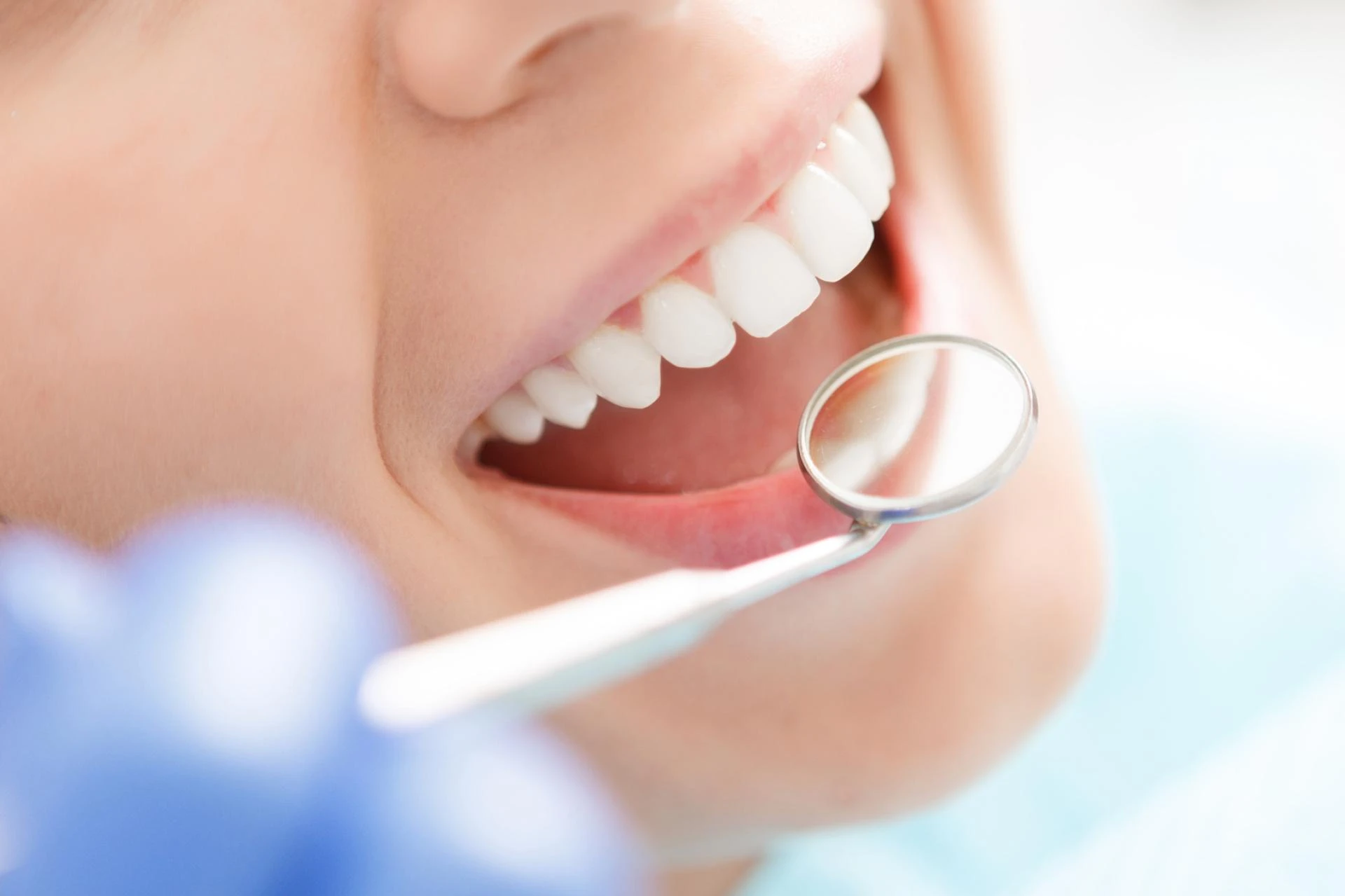

Oral health is a crucial aspect of overall well-being. A healthy mouth not only ensures the ability to eat, speak, and socialize without discomfort or embarrassment but also contributes to preventing serious health conditions. Incorporating daily habits that promote oral health can lead to a lifetime of healthy smiles. Here are ten daily habits to improve and maintain your oral health.
1. Brush Twice a Day
Brushing your teeth twice a day, once in the morning and once before bed, is the foundation of good oral hygiene. Use a toothbrush with soft bristles and fluoride toothpaste to remove plaque and prevent cavities. The American Dental Association (ADA) recommends brushing for at least two minutes each time. Be sure to brush all surfaces of your teeth, including the front, back, and chewing surfaces.
2. Floss Daily
Flossing is essential for removing food particles and plaque between teeth and along the gum line, where a toothbrush can't reach. Daily flossing helps prevent gum disease and cavities. Use about 18 inches of floss, winding most of it around your fingers and leaving a couple of inches to work with. Gently slide the floss between your teeth, curving it around each tooth and under the gum line.
3. Use Mouthwash
Mouthwash can reach areas of the mouth that brushing and flossing might miss. It helps to reduce plaque, fight gingivitis, and freshen breath. Look for a mouthwash with antibacterial properties and fluoride for added cavity protection. Swish the mouthwash in your mouth for about 30 seconds, making sure to reach all areas before spitting it out.
4. Drink Plenty of Water
Staying hydrated is not only good for your overall health but also for your oral health. Water helps rinse away food particles and bacteria, reduces dry mouth, and keeps your mouth moist, which is essential for the production of saliva. Saliva neutralizes acids produced by bacteria and washes away food particles. Aim to drink at least eight glasses of water a day.
5. Eat a Balanced Diet
A diet rich in fruits, vegetables, lean proteins, and whole grains can contribute to better oral health. Foods high in calcium and phosphorus, like dairy products, nuts, and leafy greens, help strengthen tooth enamel. Avoid sugary and acidic foods and drinks, which can lead to tooth decay and erosion. If you do consume them, try to do so during meals when saliva production is increased, helping to neutralize acid and wash away food particles.
6. Avoid Tobacco Products
Smoking and the use of other tobacco products can have severe consequences for your oral health. They increase the risk of gum disease, tooth decay, oral cancer, and bad breath. Quitting tobacco can improve your oral health and reduce the risk of other serious health issues. If you need help quitting, talk to your dentist or healthcare provider about resources and support available to you.
7. Chew Sugar-Free Gum
Chewing sugar-free gum can help stimulate saliva production, which is beneficial for neutralizing acids and washing away food particles. Look for gum that contains xylitol, a natural sweetener that has been shown to reduce the risk of tooth decay. Chewing gum is not a substitute for brushing and flossing, but it can be a helpful addition to your oral hygiene routine, especially after meals.
You can read our other blogs at https://almukhbir.com/
8. Replace Your Toothbrush Regularly
Your toothbrush can harbor bacteria and lose its effectiveness over time. The ADA recommends replacing your toothbrush every three to four months or sooner if the bristles are frayed. A worn-out toothbrush won't clean your teeth as effectively and could potentially cause damage to your gums. If you've been sick, consider replacing your toothbrush to avoid reintroducing bacteria into your mouth.
9. Visit Your Dentist Regularly
Regular dental check-ups are crucial for maintaining oral health. Your dentist can detect early signs of dental problems and provide professional cleanings to remove plaque and tartar buildup. It is generally recommended to visit the dentist every six months, but your dentist might suggest a different schedule based on your individual needs. Don't wait until you have a toothache or other issues to see your dentist.
10. Practice Good Technique
Proper brushing and flossing techniques are essential for effective oral hygiene. When brushing, hold your toothbrush at a 45-degree angle to your gums and use gentle, circular motions. Avoid aggressive brushing, which can damage your gums and enamel. When flossing, be gentle and avoid snapping the floss between your teeth, which can irritate your gums. If you're unsure about your technique, ask your dentist or dental hygienist for a demonstration during your next visit.
The Importance of Consistency
Developing these daily habits is crucial, but consistency is key. Incorporating these practices into your daily routine ensures that you are taking proactive steps towards maintaining good oral health. Here are a few tips to help you stay consistent:
Set Reminders: Use your phone or a reminder app to prompt you to brush and floss at specific times each day.Create a Routine: Perform your oral hygiene routine at the same times each day to make it a habit.Track Your Progress: Use a calendar or an app to track your brushing and flossing habits. Seeing your progress can be motivating.Reward Yourself: Set goals and reward yourself when you achieve them. For example, treat yourself to a new toothbrush or a fun, healthy snack when you stick to your routine for a month.Understanding the Benefits
Maintaining good oral health is about more than just having a bright smile. Here are some of the broader benefits of following these daily habits:
Preventing Tooth Decay: Brushing, flossing, and using mouthwash help remove plaque, which can lead to cavities if left untreated.Avoiding Gum Disease: Regular oral hygiene practices help prevent gingivitis and periodontitis, which can lead to tooth loss and other serious health issues.Reducing Bad Breath: Good oral hygiene helps eliminate the bacteria that cause bad breath.Improving Overall Health: Poor oral health has been linked to various systemic health issues, including heart disease, diabetes, and respiratory infections. Taking care of your mouth can positively impact your overall health.Saving Money: Preventive care can help you avoid costly dental procedures in the future. Regular check-ups and cleanings are typically less expensive than treatments for advanced dental problems.Overcoming Common Challenges
Despite the benefits, maintaining good oral hygiene can sometimes be challenging. Here are some common obstacles and tips for overcoming them:
Busy Schedules: If you have a hectic lifestyle, find ways to incorporate oral hygiene into your routine. For example, keep a travel-sized toothbrush and toothpaste in your bag for brushing on the go.Dental Anxiety: If you experience anxiety about dental visits, talk to your dentist about your concerns. Many dentists offer options to help you feel more comfortable, such as sedation dentistry or a calming office environment.Physical Limitations: If you have physical limitations that make brushing and flossing difficult, consider using adaptive tools like electric toothbrushes or floss holders. Your dentist can recommend options that work best for you.Conclusion
Improving and maintaining oral health requires a commitment to daily habits and routines. By incorporating these ten habits into your daily life, you can ensure a healthier mouth and a brighter smile. Remember, consistency is key, and the benefits extend beyond just oral health—they contribute to your overall well-being. Make oral hygiene a priority, and you'll enjoy the rewards for years to come.












Sign in to leave a comment.