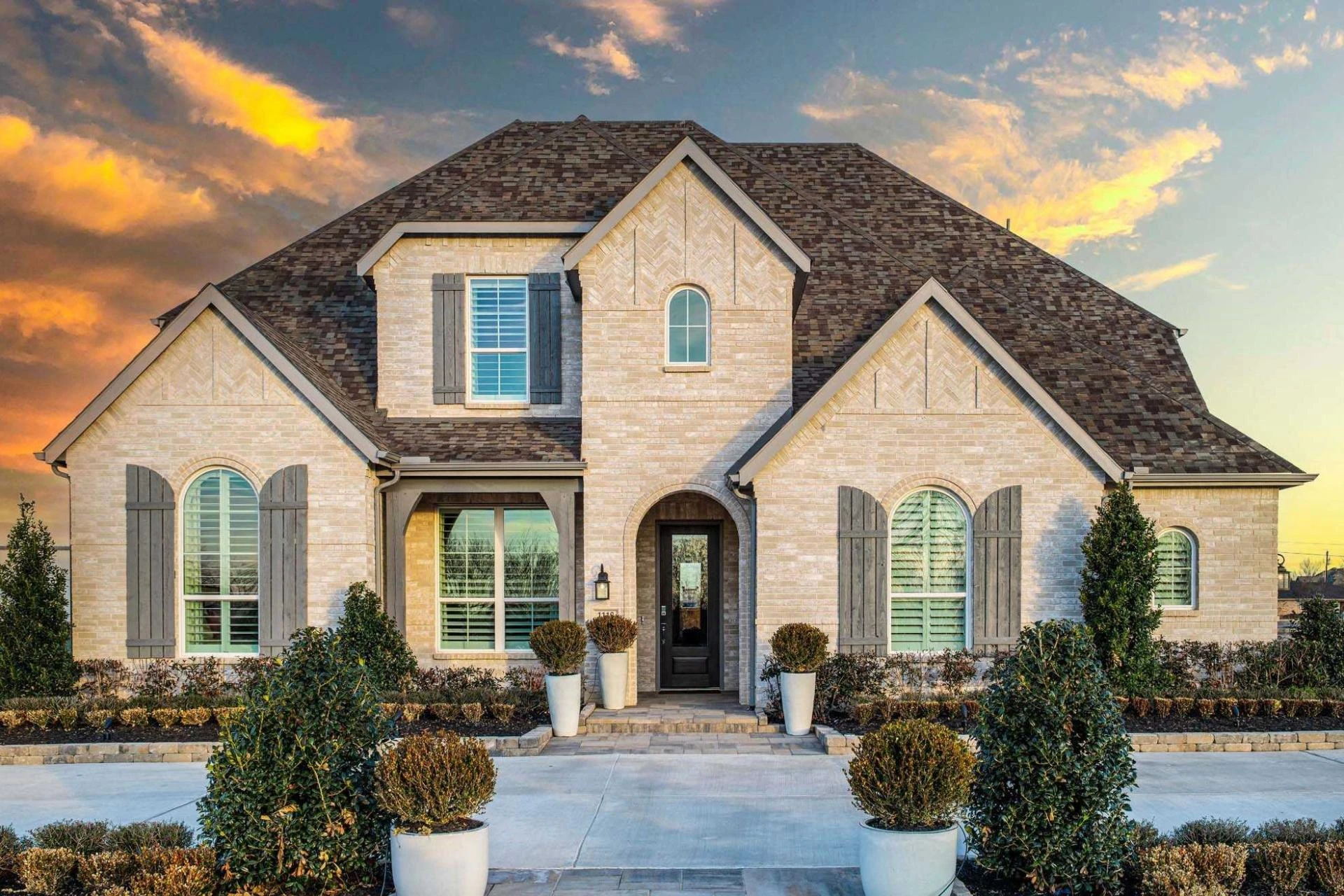

A roof stands as one of the most valuable components of any home. Durable materials and skilled craftsmanship create a strong foundation, but ongoing maintenance dictates how well a roof withstands the elements. Seasoned roofers implement precise strategies to enhance durability and prevent premature deterioration. Recognizing these industry-backed techniques can help homeowners avoid unnecessary repair expenses while ensuring long-term protection.
1. Thorough Roof Inspections Detect Early Problems
Minor roofing issues often go unnoticed by homeowners until they escalate into significant structural damage. A professional roofer, however, has the expertise to identify subtle signs of wear. Small cracks in shingles or loose flashing may appear insignificant, yet they lead to leaks, mold growth, and costly repairs if ignored. Comprehensive inspections address these vulnerabilities before they compromise the roof’s integrity.
- Trained roofers assess weak spots to prevent costly failures.
- Experts check for moisture damage, deteriorated flashing, and missing shingles.
- Biannual assessments reduce the risk of emergency repairs.
2. Quality Roofing Materials Improve Longevity
Roof durability depends largely on the materials selected. Some roofing products withstand extreme weather conditions better than others. A properly maintained metal roof, for example, can outlast asphalt shingles by several decades. Professional roofers carefully select materials based on regional climate, budget constraints, and architectural requirements to ensure optimal longevity.
- Metal and slate roofing offer a lifespan exceeding 50 years.
- High-grade asphalt shingles provide affordability with moderate durability.
- Impact-resistant shingles minimize storm damage and maintenance needs.
3. Expert Roof Installation Prevents Premature Wear
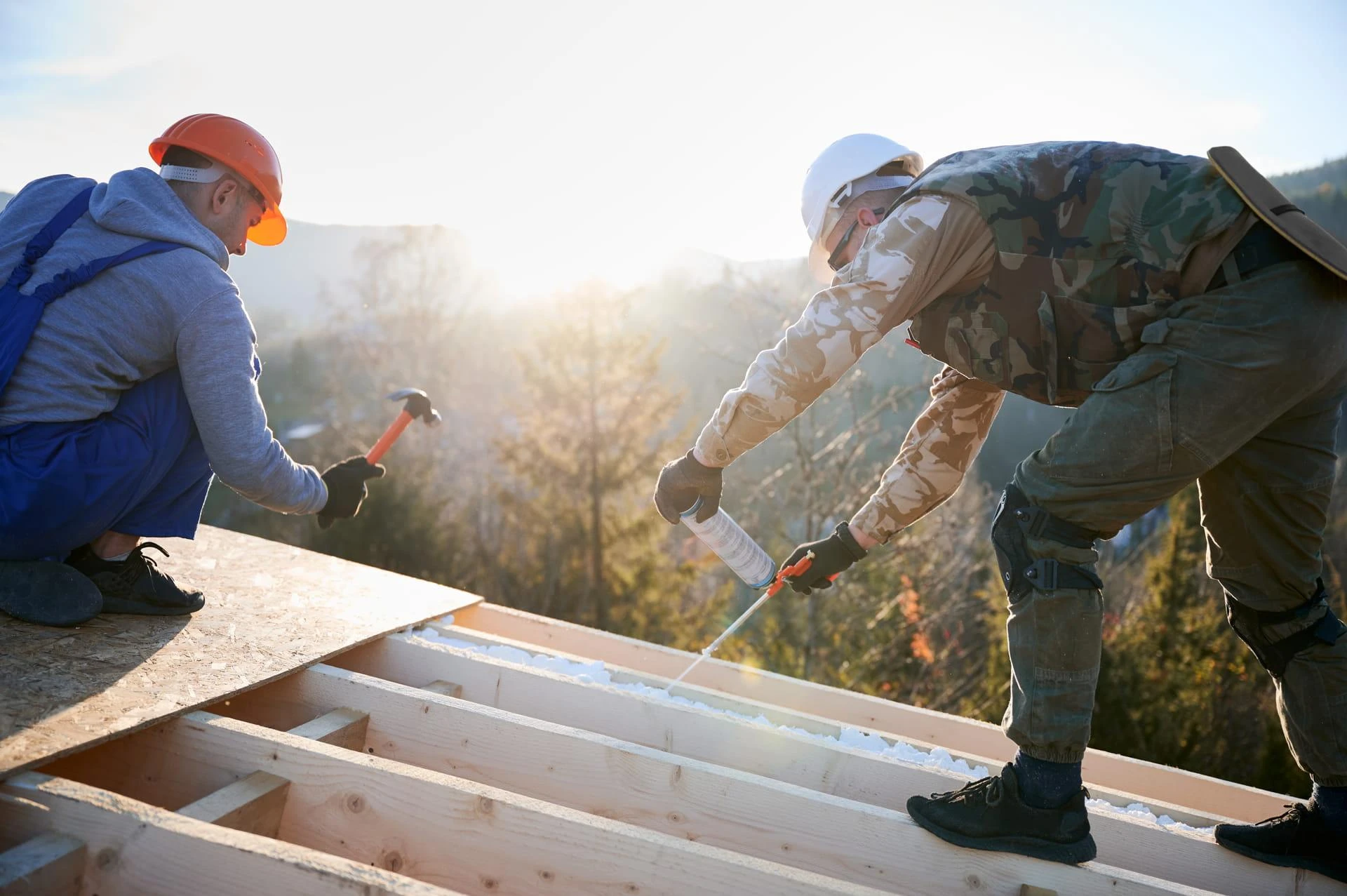
Even premium materials fail prematurely if installed incorrectly. Experienced roofers adhere to strict industry standards to ensure long-lasting performance. Improperly secured shingles or misaligned flashing leave vulnerabilities that lead to leaks and structural issues over time. Professional installation guarantees the roof performs as expected, providing consistent protection for decades.
- Poor workmanship significantly reduces roof lifespan.
- Properly sealed flashing and underlayment prevent moisture intrusion.
- Manufacturer-recommended installation ensures warranty validity.
4. Adequate Roof Ventilation Maintains Structural Health
Proper airflow prevents excessive heat and moisture buildup, which can weaken roofing materials. Many homeowners overlook the importance of attic ventilation, yet poor airflow contributes to premature shingle deterioration and wood rot. Roofers install ridge vents, soffit vents, and attic fans to regulate temperature and humidity levels, preserving the roof’s structural integrity.
- Ventilation reduces the risk of mold and rot in attic spaces.
- Balanced airflow helps prevent shingle warping and curling.
- Efficient attic ventilation improves indoor energy efficiency.
5. Regular Gutter Maintenance Prevents Water Damage
Neglected gutters create serious roofing problems. When debris clogs the drainage system, water overflows and seeps beneath shingles, leading to rot and leaks. Professional roofers prioritize routine gutter maintenance, ensuring water flows away from the roof and foundation to prevent structural issues.
- Clean gutters reduce the chance of ice dams and water intrusion.
- Properly directed downspouts prevent foundation erosion.
- Gutter guards minimize debris buildup, reducing maintenance requirements.
6. Advanced Leak Prevention Techniques Enhance Durability
Even minor leaks compromise a home’s structure. Professional roofers reinforce vulnerable areas by applying high-performance sealants, inspecting flashing, and using waterproof underlayment. Properly installed leak barriers offer an extra layer of protection, keeping moisture out even during severe storms.
- Flashing safeguards vulnerable points like skylights and chimneys.
- Premium-grade sealants prevent water penetration at critical joints.
- Waterproof underlayment creates an additional moisture-resistant layer.
7. Protective Roof Coatings Shield Against Harsh Conditions
Extreme weather accelerates roof degradation. Reflective and waterproof coatings extend a roof’s lifespan by reducing heat absorption and preventing surface cracking. Professional roofers apply specialized coatings that enhance durability while lowering energy costs by reflecting sunlight.
- Reflective coatings minimize heat-related expansion and contraction.
- Elastomeric coatings provide a flexible, waterproof seal.
- Certain coatings improve energy efficiency by reducing cooling costs.
8. Effective Moss and Algae Treatments Prevent Roof Decay
Unsightly moss and algae growth weaken roofing materials over time. These organisms retain moisture, accelerating the breakdown of shingles. Roofers use environmentally safe cleaning solutions and preventive treatments to stop regrowth, keeping the roof structurally sound and visually appealing.
- Moss retains moisture, leading to shingle deterioration.
- Algae stains weaken roofing materials and reduce efficiency.
- Preventative treatments eliminate future growth and extend roof longevity.
9. Timely Storm Damage Repairs Prevent Worsening Issues
Storms wreak havoc on roofs, leaving behind hidden damage that worsens if neglected. A missing or cracked shingle might seem minor, but exposure to rain and wind accelerates wear on underlying materials. Professional roofers conduct thorough post-storm inspections and address damage immediately to prevent further complications.
- Quick repairs prevent small problems from escalating into costly fixes.
- Delayed storm damage repairs often void roofing warranties.
- Insurance claims are processed smoothly when assessed by experienced roofers.
10. Proactive Maintenance Extends Roof Lifespan
A roof’s longevity depends on consistent care. Small repairs, routine inspections, and preventive treatments reduce wear and prolong durability. Homeowners who invest in proactive maintenance avoid premature replacement costs and extend their roof’s functional life.
- Addressing minor issues prevents widespread deterioration.
- Scheduled maintenance enhances structural resilience.
- Long-term care strategies minimize unexpected roofing expenses.
Key Takeaways for Maximizing Roof Lifespan
Investing in professional roofing strategies ensures a roof remains durable and functional for decades. Trained roofers apply proven techniques to prevent damage, improve efficiency, and safeguard structural integrity.
- Routine inspections detect and resolve minor issues before they worsen.
- High-quality materials and skilled installation promote long-term reliability.
- Proper ventilation, gutter maintenance, and protective coatings prevent early wear.
- Leak prevention, moss control, and storm damage repairs maintain roof strength.
- Proactive maintenance reduces costly replacements and extends lifespan.
Frequently Asked Questions About Roof Longevity
How often should professional roof inspections be scheduled?
Industry experts recommend inspections twice a year—typically in spring and fall—plus additional evaluations following severe weather.
Which roofing materials last the longest?
Metal, slate, and clay tile roofs often exceed 50 years with proper upkeep. High-quality asphalt shingles typically last between 20 and 30 years.
Can roof coatings improve durability?
Yes, specialized coatings reflect UV rays, prevent leaks, and extend the lifespan of roofing materials by reducing wear from weather exposure.
What causes most premature roof failures?
Improper installation, poor ventilation, and lack of maintenance contribute to early roof deterioration. Routine professional care mitigates these risks.
Is DIY roof maintenance recommended?
Homeowners can perform basic upkeep like clearing gutters, but professional inspections and repairs ensure optimal longevity and structural integrity.







Sign in to leave a comment.