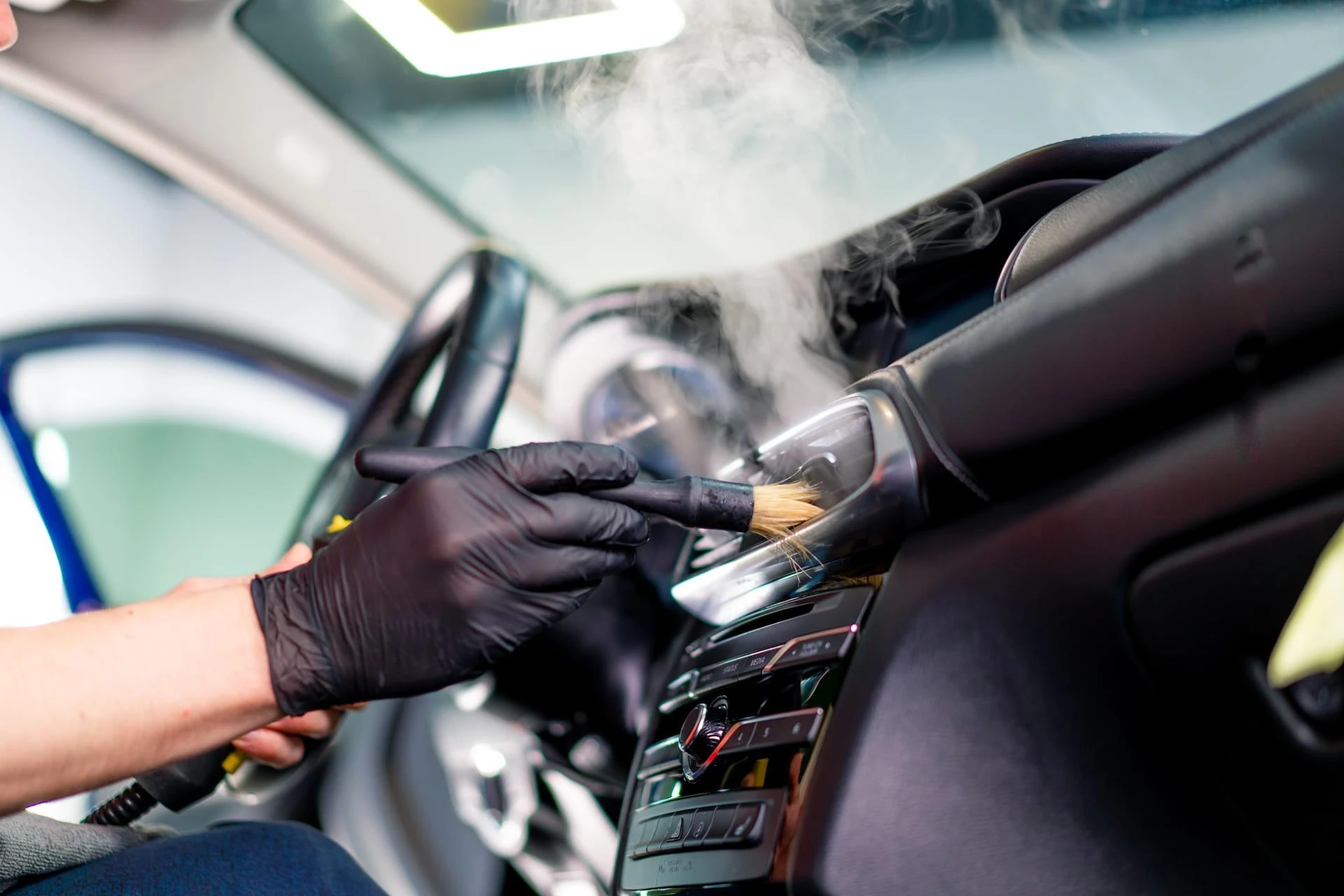

Every vehicle faces wear from the moment it leaves the driveway. Dirt, sunlight, moisture, and daily use quietly erode its beauty and performance. A trusted car detailing service can slow that process dramatically, preserving both appearance and function for years longer. The team at P's Detailing & Washing shares that “routine detailing is not just about shine, it’s preventive maintenance that keeps your vehicle healthy inside and out.” This guide explores ten practical ways professional car detailing helps extend a vehicle’s lifespan through expert care and attention.
Paint Protection Through Detailing
Professional detailing starts with the exterior, where paint faces constant punishment from UV rays, acid rain, and airborne contaminants. Detailers use specialized waxes, sealants, or ceramic coatings that act like armor, protecting against oxidation and fading. Studies by the U.S. Department of Energy confirm that UV exposure accelerates paint degradation, but protective coatings significantly slow this damage. Keeping paint strong also preserves the metal beneath, ensuring lasting durability.
- High-quality wax adds a hydrophobic barrier that repels dirt and water
- Ceramic coatings can last years with proper maintenance
- Regular detailing prevents costly repainting or corrosion repairs
Preventing Rust and Corrosion
Rust begins invisibly, often under wheel wells or beneath the chassis where road salt and grime gather. A professional car detailing service targets these overlooked zones with undercarriage washing and protective sprays. The Environmental Protection Agency (EPA) has reported that corrosion-related repairs cost American drivers billions annually, a figure that could drop sharply with consistent detailing. Protecting metal surfaces from moisture and salt exposure is one of the surest ways to extend a vehicle’s life.
- Undercarriage cleaning removes corrosive buildup before it spreads
- Protective sprays create a barrier against salt and grime
- Regular rust prevention reduces expensive structural repairs
Interior Deep Cleaning Benefits
Interior detailing isn’t about vanity, it’s about preservation. Fabric seats absorb dirt and oils that break down fibers, while leather cracks when left unconditioned. Professional cleaners remove allergens, bacteria, and debris, helping maintain air quality and material integrity. According to the Centers for Disease Control and Prevention (CDC), vehicle interiors can harbor microbes comparable to household kitchen surfaces if not regularly sanitized. A cleaner cabin means a healthier ride and longer-lasting materials.
- Steam cleaning kills germs and neutralizes odors
- Leather conditioning prevents cracking and fading
- Vacuuming and shampooing protect fabrics from wear
Engine Bay Cleaning Longevity
Engines gather grease and dust that trap heat and hide leaks. Professional detailing includes safe engine bay cleaning, which removes buildup and helps technicians spot minor issues before they become major. The U.S. Department of Transportation notes that maintaining proper airflow and cooling systems prevents overheating, which is a key factor in engine lifespan. A clean engine runs cooler and lasts longer, period.
- Degreasing improves engine cooling efficiency
- Early detection of leaks saves thousands in potential damage
- Clean components resist corrosion and improve longevity
Wheel and Brake Maintenance
Wheels take abuse daily, brake dust, tar, and road grime all cause long-term damage if ignored. Detailers meticulously clean and seal wheel surfaces, preventing oxidation and corrosion. This process also benefits brake systems, since lingering debris can harm performance over time. The National Highway Traffic Safety Administration (NHTSA) emphasizes that clean brakes perform more reliably, improving overall safety and extending part life.
- Brake dust removal prevents metal pitting
- Wheel sealants protect against rust and oxidation
- Proper tire dressing prevents sidewall cracking
UV Protection for Vehicle Surfaces
Sun exposure affects more than just the paint, it slowly damages dashboards, leather, and plastics. Professional detailing includes UV-blocking treatments that keep interior surfaces flexible and vibrant. According to data from the National Renewable Energy Laboratory (NREL), UV radiation is responsible for most fading and cracking in unprotected materials. These protectants create a lasting barrier that prevents discoloration and brittleness.
- Interior conditioners shield from sunlight degradation
- Protective films preserve vinyl and plastic components
- Consistent UV care reduces long-term repair costs
Restoring Headlight Clarity
Over time, headlights become foggy due to oxidation and UV damage, reducing visibility and safety. Professional restoration polishes away haze and seals the surface with UV-resistant coating. The National Highway Traffic Safety Administration warns that cloudy headlights can cut nighttime visibility by up to 80%. Restoring clarity not only improves safety but also keeps a car looking newer.
- Headlight polishing restores brightness and focus
- UV sealant prevents rapid reoxidation
- Clear headlights enhance vehicle value and appearance
Maintaining Proper Lubrication Points
Detailers don’t just clean, they maintain functional details that many overlook. Door hinges, seals, and latches need lubrication to prevent squeaks, rust, and stiffness. These small tasks extend component life and keep the vehicle running smoothly. Most car detailers advise that simple lubrication maintenance can prevent mechanical binding that leads to costly part replacements.
- Lubricated hinges resist corrosion and wear
- Door seals last longer when conditioned
- Prevents annoying squeaks and friction damage
Protecting Undercarriage Components
Road debris, mud, and oil cling to a car’s underside, damaging suspension and exhaust parts. Professional undercarriage cleaning removes buildup that traps moisture and accelerates corrosion. Research from the Federal Highway Administration shows that regions using deicing salt see faster underbody deterioration without regular cleaning. Keeping the undercarriage clean supports the health of critical systems below the surface.
- Regular washes prevent corrosion in hidden areas
- Protective coatings add long-term durability
- Prevents early failure of suspension and exhaust parts
Enhancing Vehicle Resale Longevity
A well-detailed car holds value far better than one neglected over time. Potential buyers judge condition before mileage, and consistent detailing keeps every surface in its best shape. Kelley Blue Book data shows that vehicles with verified maintenance and detailing records can sell for up to 15% more. Detailing is not just preservation, it’s a return on investment that extends both lifespan and resale potential.
- Regular detailing maintains value and buyer confidence
- Condition reports show pride in ownership
- Clean cars sell faster and for higher prices
Keeping Vehicles Road-Ready Through Detailing
Car Detailing Service demonstrates that professional care does more than enhance shine, it safeguards your investment. Each layer of attention, from interior sanitation to exterior protection, plays a role in prolonging the lifespan of every major system. The mechanical health, appearance, and comfort all benefit from consistent professional detailing. Vehicle longevity depends not only on engine maintenance but also on protecting the smaller details that often go unnoticed.
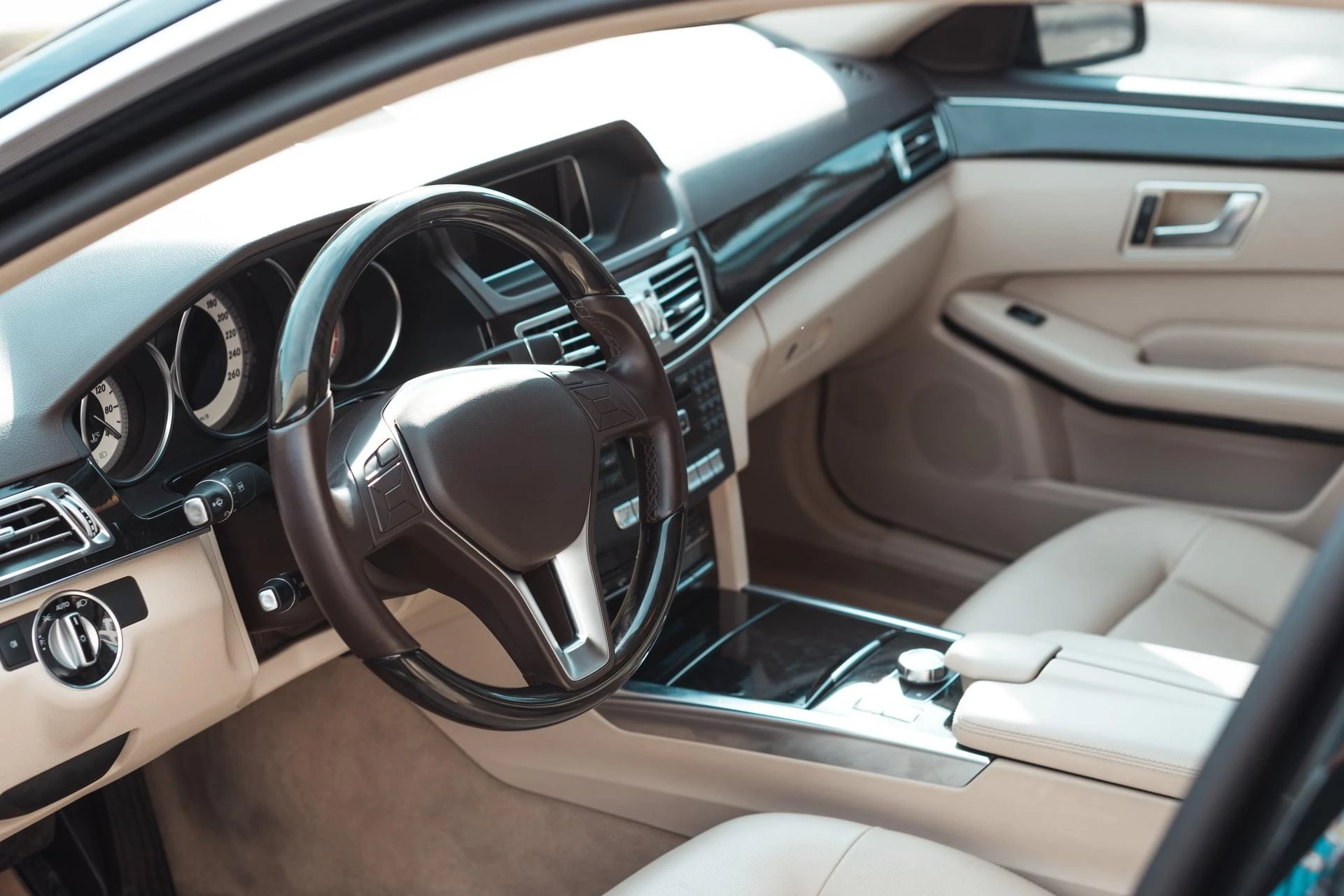
Key Takeaways for Vehicle Lifespan Protection
- Regular detailing slows aging by protecting against UV, corrosion, and buildup
- Interior and engine cleaning improve comfort, performance, and safety
- A clean, protected car maintains higher resale value and reliability
Frequently Asked Questions
How often should a vehicle be detailed?
Experts recommend detailing every four to six months depending on driving habits, exposure, and climate.
Can detailing fix faded paint?
While it can’t reverse deep damage, polishing and coatings can restore luster and prevent further fading.
Is engine bay cleaning safe?
Yes, professionals use controlled methods that protect electronics while improving visibility and performance.
Does detailing improve gas mileage?
Indirectly, yes. Clean aerodynamics and reduced weight from debris removal can slightly enhance efficiency.
What’s the difference between washing and detailing?
Washing removes surface dirt, while detailing restores, protects, and preserves every component for long-term health.















Sign in to leave a comment.