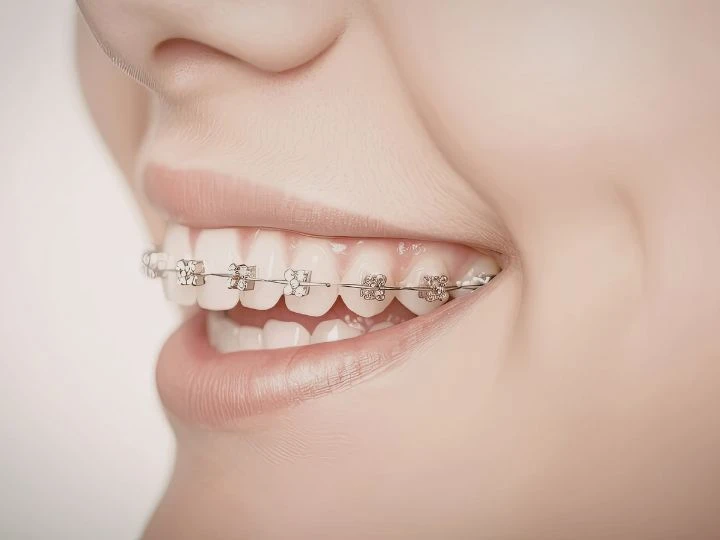
Getting braces in Australia can be a significant investment, and it’s no secret that many Australians wonder, “How much do braces cost?” Prices vary depending on the type of braces, the complexity of treatment, and your location. While the cost can seem daunting, there are several strategies to make orthodontic care more affordable without compromising quality. In this article, we’ll explore 10 practical ways to reduce the cost of braces in Australia, helping you achieve a healthy, confident smile without breaking the bank.
Understanding Braces Costs in Australia
Before diving into cost-saving strategies, it’s essential to understand how much braces typically cost. On average, traditional metal braces range from $4,000 to $8,000, while ceramic or clear braces can cost between $5,000 and $9,000. Invisalign and other clear aligners are usually more expensive, often starting around $6,000 and rising to $9,500 or more.
These figures explain why many Australians search online for “how much are braces?” and why cost-saving tips are so valuable. Costs are influenced by factors such as:
- The type of braces chosen
- Length and complexity of treatment
- Dentist or orthodontist’s fees
- Location and demand
Now let’s look at ten ways to reduce the financial burden.
1. Compare Orthodontists and Clinics
Not all orthodontists charge the same fees. Comparing multiple clinics in your area can reveal significant differences in pricing. Look for:
- Initial consultation fees (some are free)
- Payment plans or discounts
- Experience level of the orthodontist
Even a few hundred dollars saved can make a difference when asking “how much do braces cost?”
2. Consider Public Dental Services
Australia offers public dental services for eligible patients, including children under 18, through the Child Dental Benefits Schedule (CDBS). While waiting times can be longer, public clinics may provide braces at a fraction of private costs.
If you qualify, this is an excellent way to reduce out-of-pocket expenses significantly.
3. Ask About Payment Plans
Many private orthodontic practices in Australia offer payment plans to spread the cost over months or years. Plans may include:
- Weekly, fortnightly, or monthly instalments
- Interest-free options
- Flexible treatment timelines
Negotiating a plan can make braces more affordable and manageable for families and adults alike.
4. Explore Health Insurance Options
Private health insurance can sometimes cover part of orthodontic treatment, especially for children. Check your policy for:
- Orthodontic extras or dental coverage
- Annual limits on orthodontic benefits
- Waiting periods
Even partial coverage can reduce the overall cost and answer the question “how much are braces?” more favourably.
5. Consider Less Expensive Braces Options
Not all braces are created equal in terms of cost. If budget is a concern, explore these options:
- Traditional metal braces – Usually the most affordable
- Ceramic braces – Slightly more expensive but less noticeable
- Lingual braces or Invisalign – Higher-end, more discreet options
Choosing the right type based on your budget can save thousands without compromising results.
6. Start Treatment Early
For children and teenagers, early orthodontic intervention can prevent more complex issues later. Sometimes, early treatment reduces:
- The need for extractions or surgery
- Lengthy treatment periods
- Overall cost
If you ask your orthodontist, “How much do braces cost if started early?”, you might find early intervention offers significant savings.
7. Take Advantage of Orthodontic Promotions
Some clinics run seasonal promotions or discounts for new patients. Offers may include:
- Reduced initial consultation fees
- Percentage discounts on total treatment
- Complimentary retainers or follow-up visits
Monitoring these promotions can be a smart way to reduce costs without compromising care.
8. Maintain Good Oral Hygiene
While it may not seem like a direct cost-saving strategy, maintaining excellent oral hygiene can prevent:
- Broken brackets
- Emergency visits
- Extended treatment time
Braces require care to avoid additional expenses. Simple steps like regular brushing, flossing, and avoiding hard foods can save money in the long run.
9. Consider Universities and Training Clinics
Dental schools and orthodontic training clinics often offer treatments at lower costs, supervised by experienced instructors. Benefits include:
- Reduced fees for braces
- Access to cutting-edge techniques
- High-quality care under supervision
It’s a viable option for those asking “how much are braces?” but looking for a budget-friendly alternative.
10. Combine Treatments When Possible
Sometimes orthodontists can combine treatments to save time and money. For example:
- Addressing multiple issues simultaneously
- Coordinating with dental work, such as fillings or extractions
By streamlining treatment, you can reduce the overall cost and the number of appointments needed.
Summary
In Australia, the cost of braces can vary widely depending on the type of treatment, complexity, and provider, making the question “how much do braces cost?” a common concern. Fortunately, there are several practical ways to make orthodontic care more affordable. Comparing orthodontists, utilising public dental services if eligible, exploring payment plans, and checking health insurance coverage can significantly reduce out-of-pocket expenses. Choosing more affordable braces options, starting treatment early, taking advantage of promotions, maintaining excellent oral hygiene, considering universities or training clinics, and combining treatments where possible are additional strategies that help lower costs without compromising quality. By being proactive and exploring these options, Australians can achieve a healthy, confident smile while managing the financial impact effectively.









Sign in to leave a comment.