Commercial buildings lose energy in more places than most owners expect. Beyond walls and roofs, several overlooked areas demand Commercial Spray Foam Insulation to control air leaks, moisture, and temperature swings. These hidden zones often drive high utility bills and comfort complaints.
This article highlights four surprising places where insulation makes a measurable difference. It draws on field experience from seasoned Commercial Spray Foam Insulation experts who have worked across retail, industrial, and mixed use properties in the Pacific Northwest.
Professionals in this field understand building science, regional climate demands, and code requirements. Their practical experience shows that performance issues often start in areas most property managers rarely inspect.
Why Overlooked Areas Matter in Commercial Buildings
Small gaps create large losses over time. Air leakage can account for up to 30 percent of a commercial building’s energy waste. Moisture intrusion also leads to mold, corrosion, and material damage.
The commercial insulation market continues to grow steadily, driven by stricter energy codes and rising energy costs. As operating expenses increase, building owners look for targeted upgrades that offer fast returns.
Addressing hidden problem spots with Commercial Spray Foam Insulation services improves efficiency and extends building life.
Mechanical Rooms and Utility Chases
Mechanical spaces are often ignored during insulation planning. Yet they are filled with penetrations, pipes, and duct runs that leak air.
Why These Spaces Lose Energy
Utility chases connect multiple floors and exterior walls. Without proper sealing, they act like vertical tunnels for air movement.
Heated or cooled air escapes. Outdoor air enters. This forces HVAC systems to work harder.
Common Risk Factors
- Large pipe and conduit penetrations that are not sealed tightly
- Gaps around duct transitions and rooftop unit connections
- Thin or damaged batt insulation in tight corners
How Spray Foam Solves the Issue
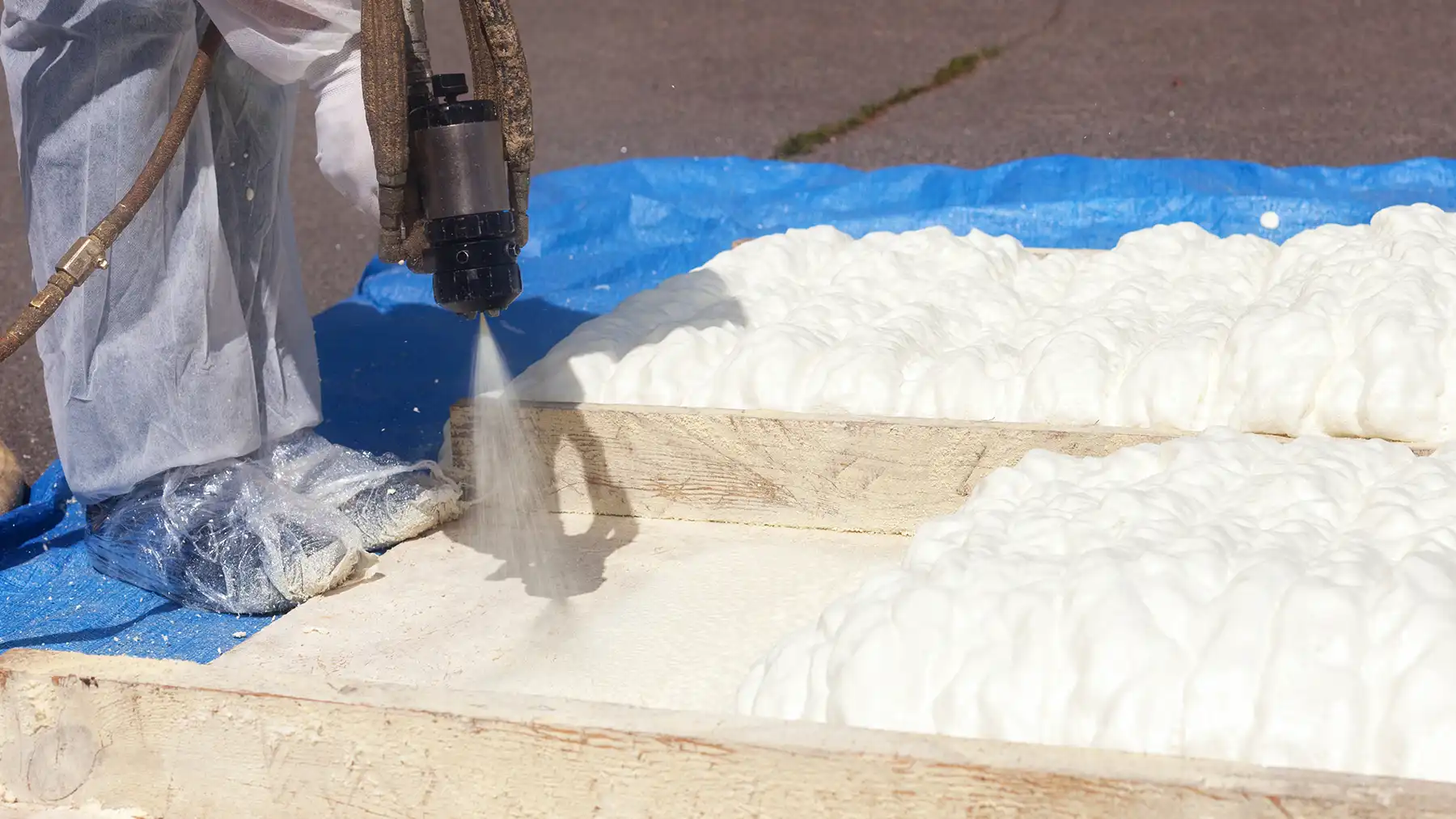
Closed cell foam seals irregular gaps and adds structural strength. It also resists moisture, which is critical in damp mechanical rooms.
Many Commercial Spray Foam Insulation experts recommend foam for these areas because it adheres directly to metal, concrete, and wood. That reduces long term air leakage.
Bonus Tips
Seal Before Equipment Upgrades
Before replacing HVAC equipment, air seal the mechanical room. This prevents new systems from compensating for old leaks.
Parking Garages Beneath Conditioned Spaces
In mixed use buildings, parking garages often sit below offices or retail units. These garages are rarely insulated properly.
Temperature and Moisture Transfer
Cold air rises from unconditioned garages into the floors above. In wet climates like Seattle, moisture from vehicles adds to the problem.
This leads to cold floors, condensation, and higher heating demand.
Performance Comparison
| Area | Common Issue | Impact on Building | Spray Foam Benefit |
|---|---|---|---|
| Garage ceiling | Air leakage through concrete joints | Cold floors above | Creates air barrier and thermal layer |
| Support beams | Thermal bridging | Uneven indoor temperatures | Reduces heat transfer |
| Expansion joints | Moisture intrusion | Corrosion and mold risk | Seals and protects surfaces |
Regional Guidance for the Pacific Northwest
Seattle’s marine climate brings frequent rain and moderate winters. Moisture control is as important as thermal control. Closed cell foam offers both air sealing and vapor resistance.
An experienced Commercial Spray Foam Insulation contractor in the region often prioritizes garage ceilings during retrofits for this reason.
Commercial Attic Voids and Drop Ceilings
Many commercial buildings have large plenum spaces above drop ceilings. These areas often lack continuous insulation.
Hidden Air Pathways
Ceiling tiles may hide large gaps around lighting, sprinkler heads, and ductwork. Conditioned air escapes into attic voids.
Over time, this reduces comfort and increases HVAC runtime.
Signs of a Problem
- Uneven temperatures across open office areas
- High energy bills without clear cause
- Drafts near ceiling diffusers
Spray Foam as an Air Barrier
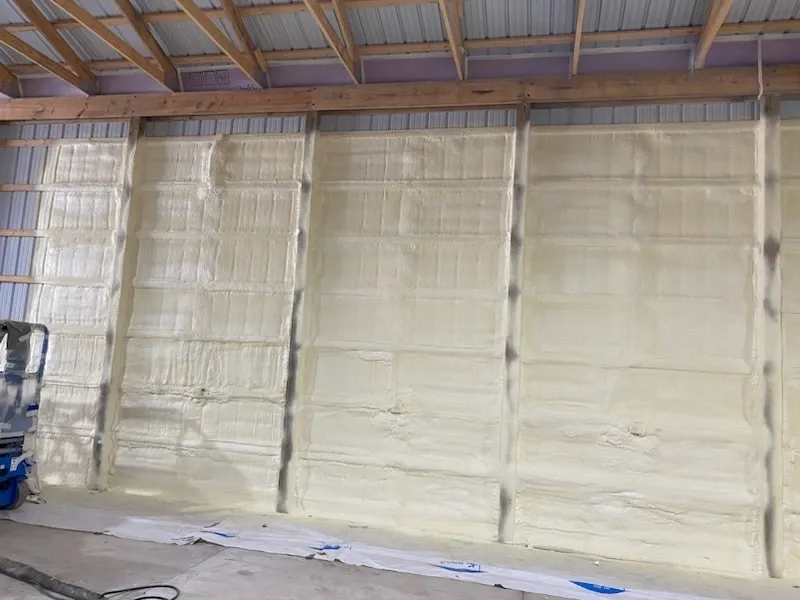
Unlike fiberglass, foam expands to fill small openings. It creates a continuous barrier across irregular framing.

Industry data shows buildings with strong air barriers can cut heating and cooling loads by 15 to 25 percent. This makes ceiling retrofits an attractive option for property managers.
Refrigerated Storage and Food Processing Areas
Cold storage facilities rely on strict temperature control. Even small insulation gaps increase energy demand.
Thermal Performance Demands
Refrigerated warehouses run continuously. Energy costs make up a large share of operating budgets. Poor insulation increases compressor workload and shortens equipment life.
The spray foam industry has seen growing demand from cold storage projects as food distribution expands.
Why Foam Works in These Settings
Closed cell foam provides high R value per inch. It also limits vapor movement, which prevents condensation inside walls.
In food processing areas, seamless insulation reduces the risk of hidden moisture pockets. A commercial spray foam insulation company focuses on these projects due to their strict performance needs.
Bonus Tips
Inspect Floor Wall Joints
In refrigerated spaces, joints between floors and walls often leak air. Sealing these joints reduces frost buildup and improves efficiency.
Things to Consider Before Making a Decision
Before selecting Commercial Spray Foam Insulation services, building owners should review several factors.
Building Type and Use
Warehouses, offices, and medical facilities have different performance needs. Insulation plans should match occupancy and equipment demands.
Local Climate Conditions
In the Pacific Northwest, moisture control is essential. In colder inland areas, higher R values may be required.
Fire and Code Compliance
Commercial projects must meet fire ratings and energy codes. Qualified Commercial Spray Foam Insulation experts understand these requirements and apply approved materials.
Access and Installation Timing
Some areas require temporary closures or phased installation. Planning reduces disruption to tenants or operations.
Evaluate Hidden Areas Before Energy Costs Rise
Unexpected energy loss often starts in overlooked spaces. Mechanical rooms, parking garages, ceiling voids, and cold storage areas all affect building performance.
Targeted insulation upgrades can reduce air leakage, improve comfort, and protect structural materials. Building owners should assess their properties based on use, climate, and long term operational goals.
Connect With a Trusted Local Resource
Building owners in Washington who want detailed assessments can contact Cascadia Spray Foam Insulation of Seattle. Their team handles complex commercial projects and understands regional climate demands.
They can be reached at (425) 386-3500 or [email protected] for project discussions or site evaluations. Working with experienced professionals helps ensure insulation upgrades meet code requirements and deliver lasting performance.
Questions People Ask About Commercial Spray Foam Insulation
Is spray foam suitable for large commercial buildings?
Yes. It scales well for warehouses, retail centers, and office buildings. It provides air sealing and insulation in one application.
How long does commercial spray foam last?
When installed correctly, it can last decades without losing performance. It does not sag or settle like some traditional materials.
Does spray foam help with moisture control?
Closed cell foam resists water absorption and acts as a vapor retarder. This is useful in damp climates and below grade spaces.
Can existing buildings be retrofitted?
Yes. Many retrofits target mechanical rooms, garages, and ceiling voids. These projects often improve energy performance without major reconstruction.
Is it safe for occupied buildings?
Professionals follow ventilation and curing guidelines. Occupants usually return after the material has cured and the space has been ventilated properly.
Reviewer: Olivia Thompson has spent 10 years working in spray foam insulation, helping companies grow their visibility. She reviewed this article and provided valuable suggestions to better align the content with customers' needs and expectations, ensuring it resonates with the target audience.












Sign in to leave a comment.