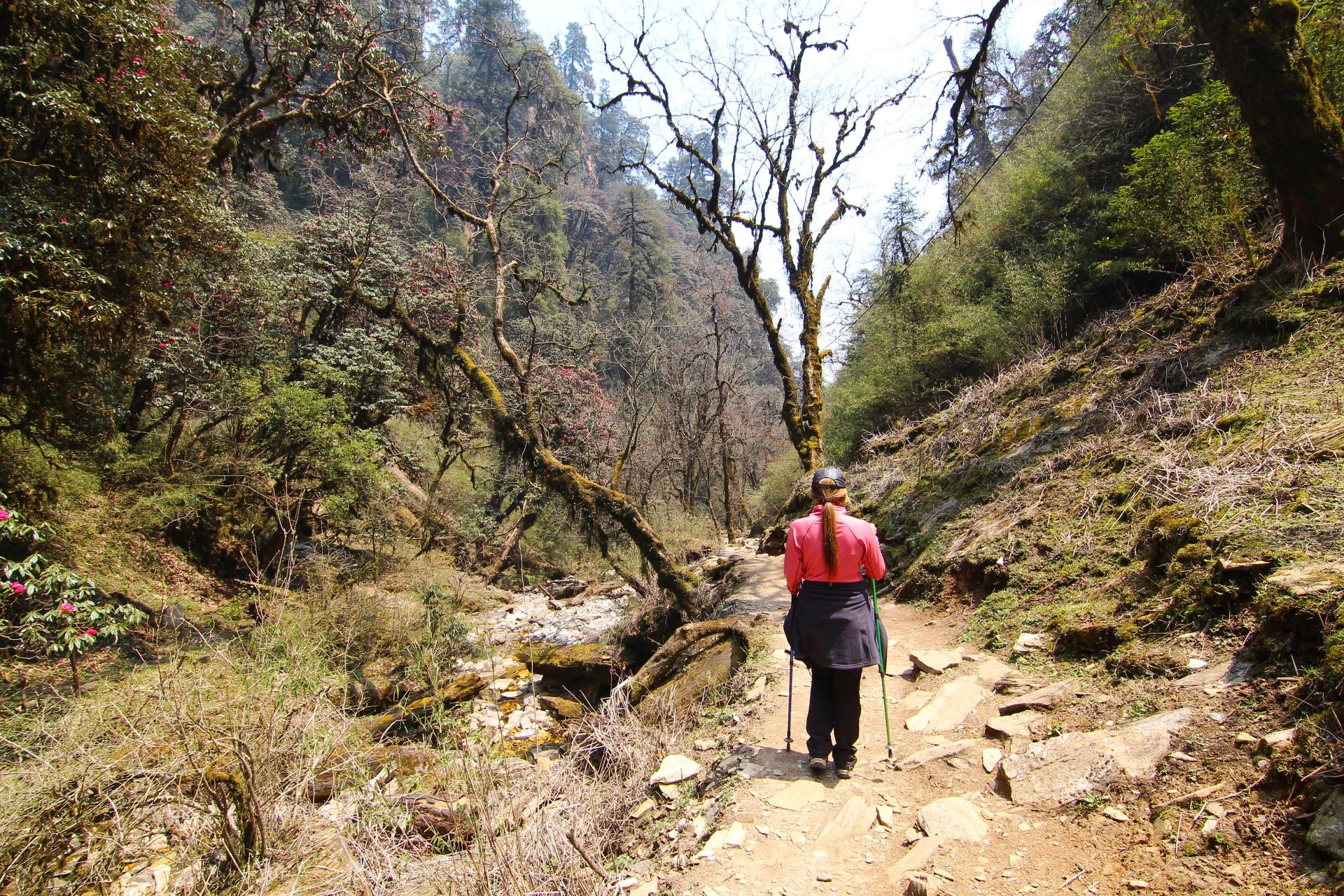

Climbing Mount Kilimanjaro remains one of the most rewarding high-altitude adventures for trekkers and mountaineers. The 5 days Marangu Route is among the most popular options for reaching the summit, combining relatively steady trails with comfortable mountain huts instead of camping. Often called the “Coca-Cola Route,” this path provides a structured trekking experience that suits both determined first-time climbers and experienced hikers seeking an efficient ascent. With proper preparation, expert local support, and smart pacing, the five-day itinerary can lead determined trekkers to the summit at Uhuru Peak.
For adventurers planning their ascent with Ice Rock Trekking, careful planning, altitude awareness, and the right equipment play an essential role in reaching the roof of Africa safely.
Introduction to the Marangu Route
The Marangu route begins inside Kilimanjaro National Park, entering through Marangu Gate. Unlike other Kilimanjaro trails, trekkers stay in permanent wooden huts throughout the climb rather than sleeping in tents. These huts provide beds, dining areas, and basic amenities, creating a more comfortable experience compared with routes like Machame or Lemosho.
This route follows a gradual ascent through rainforest, moorland, alpine desert, and finally the glacial summit zone. Because the trail climbs up and down the same path, trekkers become familiar with the terrain during the descent.
Key highlights include:
- Comfortable mountain huts
- Clear and well-defined trails
- A straightforward ascent profile
- Spectacular views of Kilimanjaro’s volcanic landscape
Although the trail is considered easier in terms of terrain, reaching nearly 6,000 meters still demands stamina, discipline, and acclimatization awareness.
Why Choose the Marangu Route for a 5-Day Climb
Many climbers choose this route because of its simplicity and historical popularity. The five-day itinerary offers a fast ascent compared with longer routes, which appeals to trekkers who have limited time but still wish to reach the summit.
Comfortable Hut Accommodation
Unlike camping routes, climbers sleep in huts such as Mandara Hut, Horombo Hut, and Kibo Hut. Each hut provides shared sleeping areas with bunk beds and communal dining spaces. This setup protects climbers from harsh winds and extreme cold at higher elevations.
Clear and Accessible Trail
The trail is wide and well established, making navigation straightforward. Even during misty conditions, the path remains easy to follow. Porters and guides accompany trekkers to ensure safety and logistical support.
Scenic Landscape Transitions
Trekkers pass through several ecological zones during the ascent:
- Dense rainforest
- Heather and moorland
- Alpine desert
- Arctic summit zone
Each zone presents a different landscape, wildlife, and climate.
Suitable for First-Time High-Altitude Climbers
The route’s steady gradients make it appealing for those attempting their first major mountain. However, altitude remains the main challenge, so proper pacing is essential.
Day-by-Day Itinerary
Day 1: Marangu Gate to Mandara Hut
The journey begins at Marangu Gate, located at approximately 1,870 meters above sea level. After park registration and final gear checks, the trek enters lush rainforest filled with towering trees, ferns, and occasional sightings of colobus monkeys.
The trail gently climbs for several hours until reaching Mandara Hut at about 2,700 meters.
Distance: ~8 km
Trekking time: 4–5 hours
Highlights include:
- Dense tropical forest
- Unique bird species
- Optional short walk to Maundi Crater viewpoint
This first day allows the body to adjust gradually while offering an enjoyable introduction to Kilimanjaro’s lower slopes.
Day 2: Mandara Hut to Horombo Hut
The rainforest slowly thins as the trek continues into moorland vegetation. Giant lobelias and senecio plants appear along the trail, creating a surreal landscape.
Trekkers ascend toward Horombo Hut, located at approximately 3,720 meters.
Distance: ~12 km
Trekking time: 6–7 hours
From this point, magnificent views of Kilimanjaro’s twin peaks become visible:
- Kibo
- Mawenzi
The open landscape and cooler temperatures signal the shift toward higher altitude trekking conditions.
Day 3: Horombo Hut to Kibo Hut
The trek moves deeper into the alpine desert zone. Vegetation becomes sparse, and the environment appears stark and dramatic.
Climbers gradually cross the saddle between the Mawenzi and Kibo peaks before arriving at Kibo Hut at roughly 4,700 meters.
Distance: ~10 km
Trekking time: 6–8 hours
Key features of this stage:
- Expansive volcanic landscape
- Dramatic views of the saddle plateau
- Preparation for the midnight summit push
After arriving at Kibo Hut, climbers rest early in the evening before beginning the summit attempt around midnight.
Day 4: Summit Attempt – Kibo Hut to Uhuru Peak
The most demanding part of the climb begins shortly after midnight. Trekkers ascend steep scree slopes toward Gilman's Point, located on the crater rim.
After reaching this point, the trail continues along the rim to the ultimate destination: Uhuru Peak, standing at 5,895 meters.
Distance: ~6 km ascent, 15 km descent
Trekking time: 10–14 hours
Reaching the summit rewards climbers with:
- Sunrise views above Africa
- Vast glacier fields
- A sense of immense accomplishment
After celebrating briefly at the summit, trekkers descend back to Horombo Hut for overnight rest.
Day 5: Horombo Hut to Marangu Gate
The final day involves descending through moorland and rainforest back to Marangu Gate.
Distance: ~20 km
Trekking time: 6–7 hours
At the gate, climbers receive summit certificates issued by Kilimanjaro National Park authorities.
The achievement of reaching the summit becomes a lifelong memory.
Altitude and Acclimatization
Altitude is the most significant challenge during the climb. Oxygen levels decrease as elevation increases, which can lead to symptoms such as headaches, fatigue, and dizziness.
Tips for acclimatization include:
- Walking slowly (“pole pole” in Swahili)
- Drinking at least three liters of water daily
- Maintaining regular meals
- Listening to guides and reporting symptoms early
Experienced operators like Ice Rock Trekking emphasize safe pacing and continuous health monitoring throughout the climb.
Physical Preparation for the Climb
Although the trail is technically straightforward, endurance is essential. Preparing several months before departure improves summit success rates.
Recommended preparation includes:
Cardiovascular Training
- Hiking with elevation gain
- Running or cycling
- Stair climbing workouts
Strength Conditioning
- Leg strengthening exercises
- Core stability workouts
- Balance training for uneven terrain
Practice Hikes
Multi-day hikes carrying a backpack help simulate real trekking conditions.
Essential Gear for the Marangu Route
Even though huts provide shelter, climbers must carry personal gear suited for extreme conditions.
Important equipment includes:
Clothing Layers
- Thermal base layers
- Insulated jacket
- Waterproof outer shell
- Hiking trousers
Footwear
- Sturdy trekking boots
- Warm summit socks
- Lightweight camp shoes
Accessories
- Headlamp for summit night
- Trekking poles
- Sunglasses and sunscreen
- Insulated gloves and hat
Weather on Kilimanjaro can change quickly, so preparation for cold and wind remains critical.
Weather Conditions on Kilimanjaro
The mountain’s climate varies across its ecological zones.
Typical conditions include:
Rainforest zone
- Warm temperatures
- High humidity
- Occasional rainfall
Moorland zone
- Cooler air
- Expansive views
Alpine desert
- Strong sun during the day
- Cold winds at night
Summit zone
- Freezing temperatures
- Thin air and snowfields
Proper layering allows climbers to adapt to these conditions throughout the ascent.
Best Seasons for Climbing
Climbing conditions are most favorable during dry periods in Tanzania.
Recommended months:
- January to March
- June to October
These seasons typically provide clearer skies and more stable weather.
Safety and Professional Support
Professional mountain teams play a critical role in successful climbs. Guides monitor altitude symptoms, pace the group, and manage logistics.
Services offered by Ice Rock Trekking include:
- Experienced Kilimanjaro guides
- Professional porters and cooks
- Safety equipment and oxygen support
- Structured acclimatization strategy
Such support greatly improves both safety and summit success.
Challenges on the Marangu Route
Although popular, the five-day schedule can be demanding due to limited acclimatization time.
Common challenges include:
- Altitude sickness
- Long summit night
- Rapid elevation gain
Trekkers who maintain patience, hydration, and discipline during the climb increase their chances of success.
Cultural Experience Around Kilimanjaro
The slopes of Kilimanjaro are home to the Chagga people, a community known for farming and hospitality.
Visitors often experience:
- Traditional banana farms
- Coffee cultivation
- Local Tanzanian cuisine
These cultural interactions add depth to the climbing adventure.
Why Climb Kilimanjaro with Ice Rock Trekking
Choosing an experienced operator ensures smooth logistics and safety throughout the journey. Ice Rock Trekking focuses on responsible trekking practices, skilled guides, and personalized support for climbers.
Advantages include:
- High summit success rate
- Well-trained local teams
- Ethical porter treatment
- Customized trek planning
Such professionalism allows climbers to focus fully on the mountain experience.
Final Thoughts
Reaching the summit of Mount Kilimanjaro through the Marangu route offers an unforgettable high-altitude adventure. The combination of hut accommodations, scenic landscapes, and structured trekking stages makes this route appealing to many climbers.
With proper preparation, steady pacing, and expert support from Ice Rock Trekking, trekkers can stand proudly on Uhuru Peak and witness sunrise above Africa’s highest mountain. The journey demands endurance and determination, yet the reward of reaching the summit makes every step worthwhile.







Sign in to leave a comment.