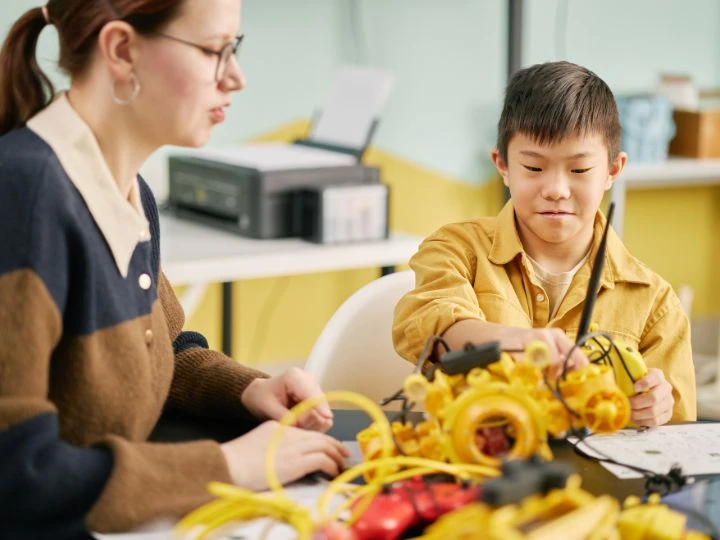

Every child grows and learns at their own pace, but sometimes they need extra support to build confidence in daily activities. A paediatric occupational therapist can play an important role in helping children strengthen essential life skills that may seem simple but are vital for independence. Through structured guidance and engaging activities, children can develop the abilities they need to thrive at home, at school and in social settings.
Below are five everyday skills that can be significantly improved with expert support.
1. Self-Care Skills
Simple tasks like brushing teeth, getting dressed or packing a school bag require coordination, sequencing and focus. For some children, these daily routines can feel overwhelming.
With step-by-step guidance, children learn how to break tasks into manageable parts. They practise fine motor movements such as buttoning shirts or tying shoelaces, while also improving planning and organisation. Over time, this structured support builds independence and reduces frustration, helping children feel proud of what they can accomplish on their own.
2. Fine Motor Skills
Fine motor skills are essential for handwriting, drawing, cutting with scissors and using small objects. When these skills are underdeveloped, children may struggle academically and avoid classroom tasks.
Expert guidance focuses on strengthening hand muscles, improving finger coordination and refining grip control. Fun, play-based activities such as threading beads, building models or working with craft materials can make skill development enjoyable rather than stressful. As precision improves, children often show greater confidence in schoolwork and creative tasks.
3. Emotional Regulation
Managing emotions is a crucial everyday skill. Children frequently encounter situations that test their patience, resilience and adaptability. Without the right tools, frustration can quickly turn into meltdowns or withdrawal.
Therapeutic strategies help children recognise their feelings and respond in healthy ways. They learn calming techniques, sensory strategies and problem-solving approaches that can be used in real-life situations. With consistent practice, children gain better control over their reactions, improving relationships with family members, teachers and peers.
4. Social Interaction Skills
Playing with others, sharing, taking turns and understanding social cues are fundamental skills for school and community life. Some children find it difficult to interpret body language or maintain conversations.
Guided sessions create safe opportunities to practise communication and interaction. Role-playing, group activities, and structured play help children build social confidence. As they learn to navigate social situations more effectively, they begin forming stronger friendships and feeling more included.
Support from a paediatric OT can also help children understand boundaries and develop empathy, both of which are essential for positive relationships.
5. Gross Motor Coordination
Running, jumping, balancing, and climbing are not only important for physical health but also for participation in sports and playground activities. Poor coordination can limit a child’s willingness to join in, affecting both fitness and self-esteem.
Through targeted exercises and movement-based activities, children strengthen core stability, balance and overall coordination. Improved body awareness allows them to move with greater control and confidence. As their abilities grow, they are more likely to engage in physical play and group sports, which contributes to overall well-being.
Why Expert Guidance Makes a Difference
While children naturally develop many of these skills over time, structured support accelerates progress and ensures challenges are addressed early. A qualified paediatric occupational therapist assesses each child’s unique strengths and areas for improvement, creating personalised strategies that suit their developmental stage.
Importantly, therapy sessions are often designed to feel like play rather than formal instruction. This approach keeps children motivated and encourages consistent participation, which is key to long-term improvement.
Final Thoughts
Everyday skills form the foundation of a child’s independence, confidence and success. With the right support and encouragement, children can overcome challenges and build the abilities they need to navigate daily life with ease. Early guidance not only strengthens practical skills but also nurtures resilience and self-belief that lasts well into the future.











Sign in to leave a comment.