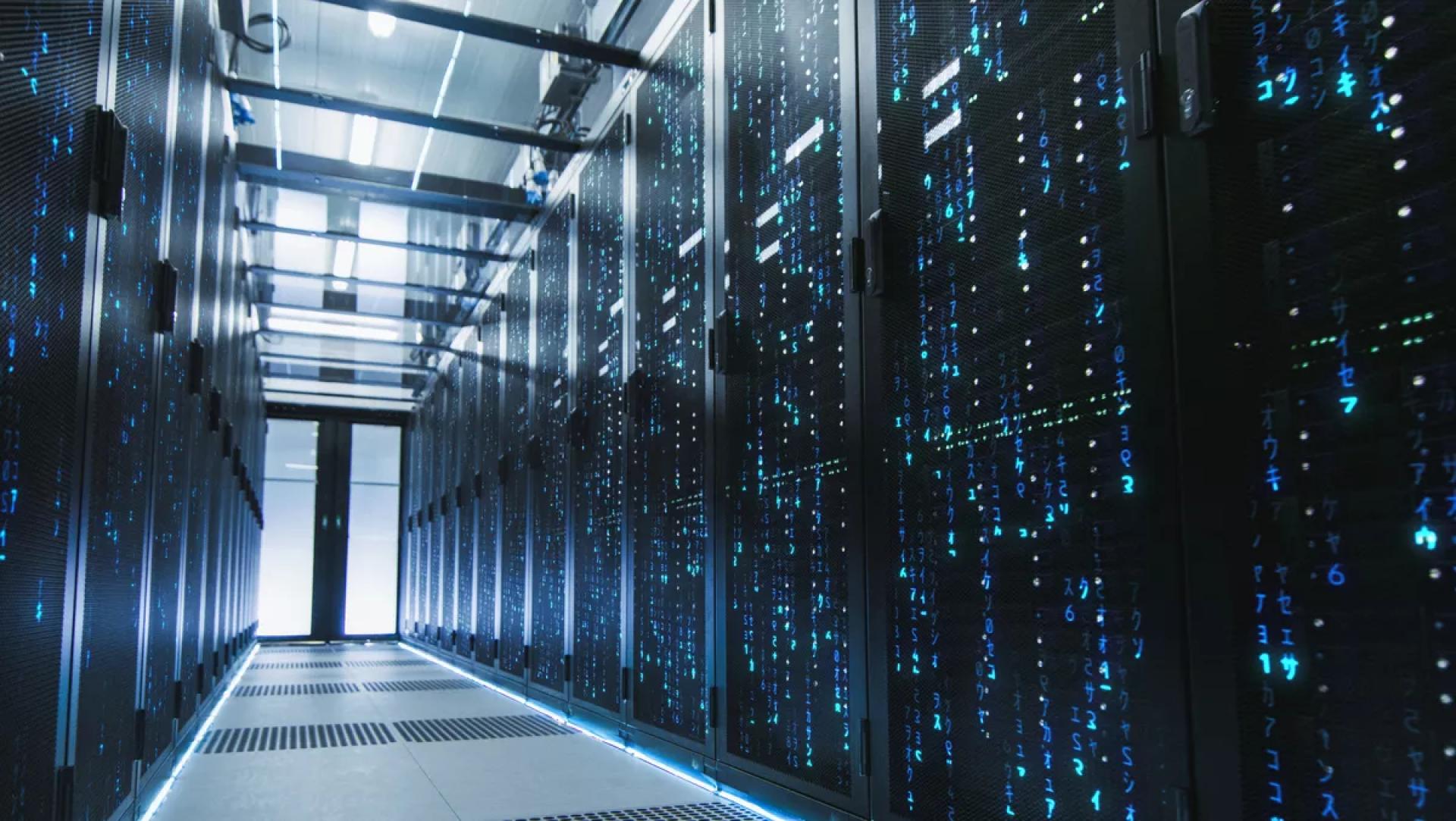

Businesses generate and process vast amounts of data. To ensure seamless operations, high security, and improved efficiency, upgrading your server storage infrastructure is no longer an option but a necessity. Outdated storage systems can slow down performance, increase downtime, and pose security threats. Investing in modern server storage solutions can significantly impact data management, business productivity, and overall IT infrastructure.
Let’s explore the five key benefits of upgrading your server storage infrastructure and how it can transform your business operations.
1. Enhanced Performance and Faster Data Processing
One of the most critical advantages of upgrading server storage is improved performance and faster data processing. Traditional storage solutions often struggle with growing workloads, leading to slower response times and lagging applications. By transitioning to high-performance storage solutions like NVMe SSDs, flash storage, or hyper-converged infrastructure (HCI), businesses can experience:
- Reduced Latency: Modern server storage significantly reduces data access delays, ensuring real-time processing for applications and databases.
- Faster Read/Write Speeds: Upgraded storage systems enhance the speed of data retrieval and storage, boosting operational efficiency.
- Optimized Workloads: Advanced caching mechanisms and storage-tiering help distribute workloads effectively, ensuring smoother operations.
For businesses that rely on big data analytics, AI-driven applications, or high-volume transactions, improved storage performance is crucial to maintaining competitiveness.
2. Increased Scalability to Meet Growing Business Demands
As businesses expand, so does their need for scalable storage solutions. Legacy storage infrastructures often lack the flexibility to accommodate increasing data demands, resulting in performance bottlenecks and costly upgrades. Upgrading your server storage infrastructure ensures:
- Seamless Scalability: Modern storage solutions like Software-Defined Storage (SDS) allow businesses to scale storage resources on demand without disrupting operations.
- Cloud Integration: Upgraded storage systems often support hybrid or multi-cloud environments, providing additional capacity when needed.
- Future-Proofing: Investing in modular storage architectures ensures that businesses can add new storage units without overhauling the entire system.
Scalability is particularly beneficial for industries experiencing rapid data growth, such as e-commerce, healthcare, and financial services.
3. Improved Data Security and Compliance
With the rise in cyber threats, ensuring data security is more critical than ever. Older storage systems often lack advanced security features, making businesses vulnerable to data breaches, ransomware attacks, and regulatory penalties. Upgrading to modern server storage infrastructure provides:
- Advanced Encryption Mechanisms: Protects data both at rest and in transit, minimizing security risks.
- Automated Backups and Disaster Recovery: Reduces data loss risks by ensuring quick recovery during hardware failures or cyberattacks.
- AI-Driven Threat Detection: Many modern storage systems incorporate AI-powered security to detect anomalies and prevent unauthorized access.
- Regulatory Compliance: Businesses handling sensitive information (e.g., healthcare, finance, legal industries) must comply with GDPR, HIPAA, PCI-DSS, and other regulations. Modern storage systems come with built-in compliance tools to streamline adherence to these standards.
Investing in secure server storage is crucial for businesses aiming to protect customer data, avoid hefty fines, and maintain trust in the digital landscape.
4. Cost Efficiency and Reduced Operational Expenses
Many businesses hesitate to upgrade their server storage due to perceived high costs. However, outdated systems often lead to higher operational expenses, including maintenance, power consumption, and inefficiencies. Upgrading can result in:
- Lower Maintenance Costs: Modern storage solutions require less frequent repairs and upgrades compared to legacy systems.
- Energy Efficiency: Newer storage technologies like SSDs consume less power than traditional HDDs, reducing electricity bills.
- Reduced Downtime: Unreliable storage infrastructure leads to costly downtime. High-performance storage systems minimize disruptions and ensure business continuity.
- Optimized Resource Utilization: Virtualization and deduplication features in modern storage reduce redundant data, freeing up space and improving efficiency.
Over time, upgrading server storage infrastructure provides a high return on investment (ROI) by streamlining IT operations and cutting unnecessary expenses.
5. Better Collaboration and Remote Accessibility
The modern workplace demands seamless collaboration and remote access to data. Businesses relying on outdated storage systems often struggle with slow file sharing, restricted remote access, and limited collaboration tools. Upgrading your server storage can enhance:
- Cloud-Based Collaboration: Many new storage solutions integrate with cloud platforms like AWS, Microsoft Azure, or Google Cloud, allowing employees to access files from anywhere.
- High-Speed Data Transfer: Fast and secure file sharing across different departments and locations improves productivity.
- Multi-User Access Management: Role-based access controls (RBAC) ensure secure and organized data sharing among employees.
- Automated Synchronization: Keeps files updated in real-time across multiple devices, preventing version conflicts.
With remote work becoming a norm, businesses must prioritize efficient server storage to enable smooth operations across multiple locations.
Final Thoughts
Upgrading your server storage infrastructure is a strategic investment that enhances business efficiency, security, and scalability. Whether you run a small business or a large enterprise, modern storage solutions ensure faster performance, reduced costs, improved security, and seamless collaboration.
By embracing cutting-edge storage technologies, businesses can future-proof their IT infrastructure, stay ahead of competitors, and adapt to evolving data needs with ease.
If you’re considering an upgrade, evaluate your current storage limitations, business growth plans, and security requirements to choose the best solution for your organization.
Would you like expert guidance in selecting the right server storage solution for your business? Reach out to a trusted IT infrastructure provider and take your data management to the next level!











Sign in to leave a comment.