
Standing water in your landscape can lead to a variety of issues, from creating a breeding ground for mosquitoes to causing damage to your lawn and foundation. Addressing these drainage problems is crucial to maintaining a healthy, beautiful yard.
In this article, we'll explore five effective landscape drainage solutions that can help eliminate standing water and prevent further complications. If you're dealing with water pooling in your yard, the proper drainage services can make all the difference.
Why Proper Landscape Drainage Matters?
Standing water in your yard can quickly lead to bigger problems. Poor landscape water management can cause erosion, kill grass, and even damage your home's foundation. Excess water also promotes the growth of mold and mildew, posing health risks. Additionally, inadequate drainage can disrupt groundwater flow and increase the risk of flooding during heavy rain. Investing in the right drainage solutions ensures that water is redirected away from your home and landscape, preserving your property's aesthetics and structural integrity.
Solution 1: French Drains
One of the most popular drainage solutions for yards is the French drain. This system uses a perforated pipe buried in a trench filled with gravel to redirect water away from areas prone to flooding. French drains are particularly effective in landscapes where water tends to pool, allowing water to flow freely through the soil and preventing surface water runoff.
The key benefit of a French drain is its ability to handle large volumes of water, making it an ideal choice for areas with poor soil drainage solutions. A French drain can keep your lawn and garden dry, even during heavy rainfall. Professional drainage contractors can help design and install a French drain system tailored to your property's needs.
Solution 2: Surface Drains
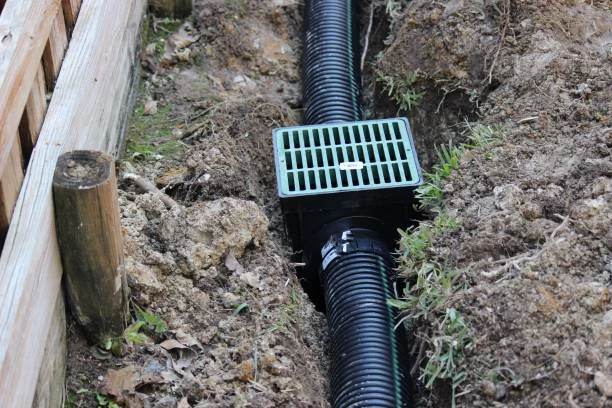
Surface drains provide a highly effective solution for areas where water collects on the surface. These drains consist of a catch basin with a grate on top, which collects water from your landscape and channels it into an underground pipe. Surface drains are best used in flat areas with poor water flow, as they help manage the excess water that collects in low spots.
Surface drains are often combined with other drainage systems, such as swales or French drains, to enhance overall landscape drainage and prevent water pooling. They are easy to install and maintain, making them an excellent option for homeowners looking for an affordable solution to standing water issues.
Solution 3: Dry Wells
Dry wells are underground structures designed to collect and store excess water, allowing it to percolate into the surrounding soil gradually. These systems are beneficial in landscapes with limited space for other drainage solutions. Dry wells are typically used to manage rainwater from downspouts or areas where water gathers after a heavy storm.
By installing a dry well, you can reduce surface runoff and prevent soil erosion in vulnerable areas of your yard. They are most effective when combined with other drainage systems, such as downspout diverters, which channel water from gutters directly into the well. Drainage installation professionals can determine the best location and size for a dry well, ensuring optimal performance.
Solution 4: Swales
A swale is a shallow, vegetated ditch that redirects water flow and promotes erosion control. Swales are an excellent choice for homeowners who want to manage stormwater runoff and prevent flooding in low-lying areas. These channels allow water to flow gently and slowly, reducing the potential for erosion and allowing for better infiltration into the ground.
Swales are often used in larger properties or areas with extensive landscape grading. They can be integrated with other drainage features like French drains and surface drains to create a comprehensive water management system. Additionally, swales are a more natural solution that enhances the aesthetic value of your property by incorporating plants and landscaping features that help manage water while improving your yard's overall appearance.
Solution 5: Gutter Extensions and Downspout Diverters
Proper water management begins at the roof, where downspouts and gutters direct rainwater away from the home. However, improper downspout placement can cause water to pool near the foundation, leading to potential structural issues. Installing gutter extensions and downspout diverters can help direct rainwater further from your foundation, preventing damage and improving the overall drainage system of your yard.
Gutter extensions typically extend the length of the downspout, allowing water to be directed to areas away from your home, while downspout diverters direct water to specific drainage systems, such as dry wells or French drains. These systems are easy to install and cost-effective for homeowners looking to improve their drainage without significant landscaping work.
Conclusion
Effective landscape drainage is essential for preventing water damage, preserving your yard, and maintaining the structural integrity of your home. Whether you're dealing with small puddles or large-scale flooding, several solutions are available to redirect water and keep your landscape dry. From French drains and surface drains to dry wells and swales, these systems are designed to manage excess water and ensure proper drainage. For the best results, consider working with drainage services to assess your needs and implement a customized drainage solution for your property.
Investing in the right drainage solutions now can save you from costly repairs. If you're unsure where to start, contact a professional drainage contractor to explore the best options for your landscape.











Sign in to leave a comment.