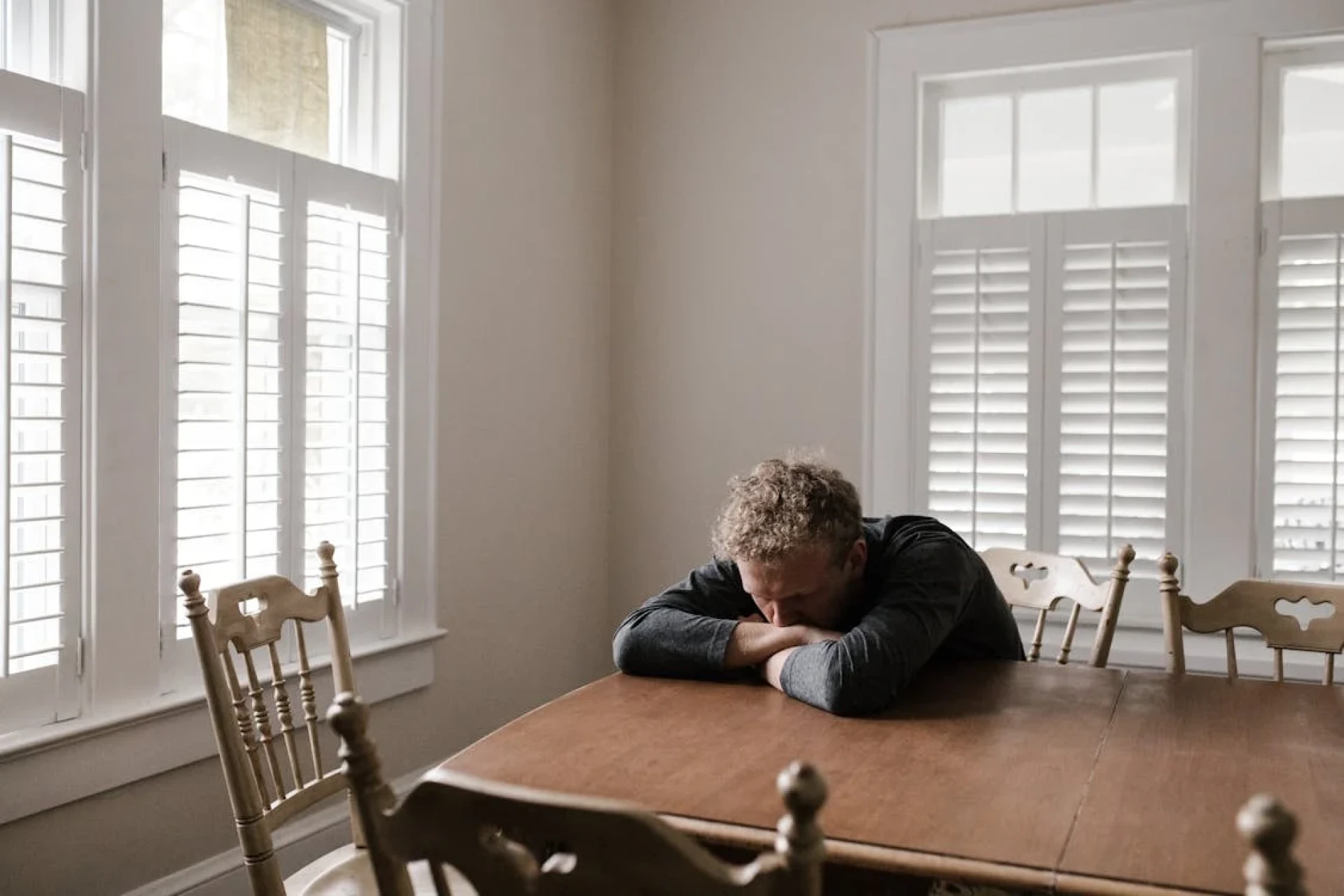

When anxiety creeps in, many adults instinctively turn inward, trying to handle it on their own. And while there’s value in self-awareness and coping tools, self-treating anxiety without guidance can lead to frustrating plateaus or can even make symptoms worse.
Anxiety is one of the most common mental health challenges adults face today. According to the National Institute of Mental Health, nearly one in three adults in the U.S. will experience an anxiety disorder at some point in their lives. Despite this, many people don’t seek help. They either feel they “should” be able to handle it or fear being judged. But anxiety doesn’t always respond to willpower alone.
In this post, we’ll explore five common mistakes adults make when trying to manage anxiety on their own and how therapy with a licensed therapist, especially through accessible online sessions, can make a real difference.

1. Relying Too Heavily on Avoidance
Avoidance often feels like relief in the moment—skipping a stressful event, turning down a presentation, putting off a decision—but it only feeds anxiety long term. When we avoid what we fear, our brain never gets the chance to learn that we can handle discomfort. Over time, the list of “unsafe” things grows, not shrinks.
Therapy, particularly cognitive behavioral therapy (CBT), helps clients face anxiety-inducing situations gradually and safely. A therapist guides you through exposure strategies that retrain your brain to tolerate uncertainty and discomfort, without shutting down.
2. Overconsuming “Self-Help” Content
Podcasts, reels, and TikToks offering quick anxiety hacks are everywhere, and some offer genuine value. But endless scrolling for mental health tips can turn into information overload or false reassurance-seeking. Not all advice applies to everyone, and conflicting messages can increase your stress instead of reducing it.
Unlike generic content, working with a licensed therapist offers personalized insight and support. Whether in person or online, therapy provides space for real-time feedback, accountability, and strategies tailored to your specific needs.

3. Ignoring Physical Symptoms
Many adults try to “think their way out” of anxiety, focusing only on mindset shifts or positive thinking. But anxiety often manifests and spreads in the body—racing heart, shallow breath, muscle tension, stomach discomfort. Ignoring these signs can disconnect you from important feedback your nervous system is giving you.
Therapists often integrate somatic techniques such as grounding, breathwork, and body scans to help you regulate from the inside out. These are especially helpful in virtual sessions, where you can practice in your own calming environment.

4. Trying to Fix It Alone to Avoid Burdening Others
Many high-functioning adults with anxiety keep silent because they don’t want to “burden” their loved ones. They internalize the belief that needing help is a weakness or that their anxiety isn’t “bad enough” to warrant therapy. This can lead to chronic emotional isolation and resentment.
But mental health isn’t a solo project. Reaching out doesn’t mean you’re failing—it means you’re invested in your well-being. Online therapy options make it easier than ever to seek support without disrupting your daily routine or putting others out. It also makes it easier to be consistent, without the hassle of taking time out of your day to travel to a specific location.

5. Waiting for Anxiety to “Get Bad Enough” Before Getting Help
One of the most damaging beliefs is that therapy should be a last resort. Many people wait until their anxiety impacts work, relationships, or physical health before seeking help. But anxiety is most manageable when caught early. Just like you'd treat a small injury before it becomes a bigger issue, early mental health care leads to better long-term outcomes.
You Don’t Have to DIY Your Healing—Reach Out to Mindshift Psychological Services
Self-awareness is a strength, but it’s not a substitute for support. If you’ve been trying to manage anxiety on your own and still feel stuck, you're not alone, and you're not failing. Therapy offers guidance, tools, and connection that self-help simply can’t replicate.
MindShift Psychological Services’ licensed therapists specialize in helping adults untangle anxious patterns before they take root. Their expertise spans across anxiety disorders, life transitions, and emotional regulation, and they offer both in-person and telehealth therapy sessions across California.
With telehealth therapy, you can get help from the comfort and privacy of your own home—no commute, no judgment, just real support from compassionate, diverse professionals.
Schedule your first online session today and feel the difference professional mental health support can make to your healing journey.














Sign in to leave a comment.