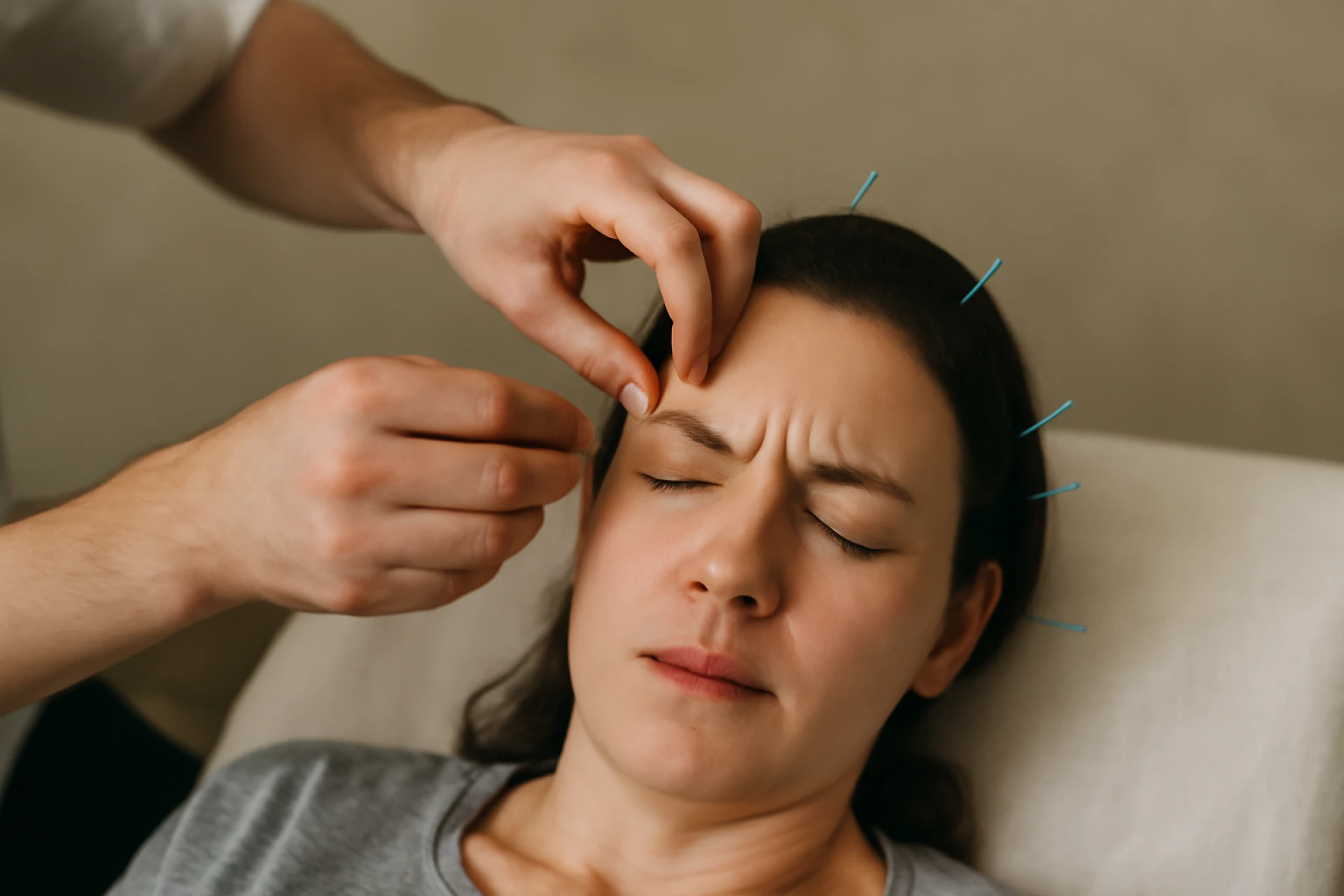

Acupuncture for headache symptoms is one of the most common uses of a therapy that dates back centuries. It is based on ancient Chinese beliefs about the flow of energy around the body and also modern ideas about stimulating the body's own healing mechanisms. Together these concepts of acupuncture may reduce pain, alleviate stress, and lower the risk of recurrence for both tension headaches and migraines.
1. The pain is having a detrimental effect on your life
Most people turn to acupuncture for headaches when pain disrupts daily life. While occasional headaches can often be managed with at‑home or over‑the‑counter remedies, frequent or severe headaches call for more support. In these cases, it’s important not only to ease symptoms but also to explore preventative measures that may reduce the risk of recurrence.
2. Medication is ineffective or causes side effects
Sometimes, you only need over-the-counter painkillers to alleviate a headache. But in some cases, you need stronger pain relief. There are also some medications that can help to prevent migraines from developing. Nevertheless, not every medication works for every person. They may not prevent or stop your head pain, and in some circumstances, they make it worse or cause other debilitating side effects. In other cases, you may not be able to take a drug because it is contraindicated with other medications or medical conditions.
You do not need to have the same concerns with acupuncture for headache symptoms. Acupuncture is not a chemical treatment; it is not based on invasive techniques or trying to alter your body by imposing something from outside. It is about encouraging your body's own healing systems: stimulating nerve activity and blood flow, and triggering the release of endorphins, returning you to your parasympathetic nervous system and restoring balance.
3. You are pregnant
Many treatments are not recommended if you are pregnant, sometimes because we know they are definitely harmful, in other cases, because clinical trials are not generally carried out during pregnancy. You should tell your acupuncturist if you are pregnant. Your acupuncturist may adjust the treatment and avoid certain acupoints, but you can be reassured that both you and your baby remain safe.
4. You are stressed
Stress can aggravate existing headaches and can even be the factor that triggers them in the first place. This is true of both tension headaches and migraines. Acupuncture treatment for headache symptoms may directly alleviate your pain, but it may also offer an indirect benefit by mitigating the impact of stress.
When you are stressed, hormones such as cortisol and adrenaline rise. They raise your heart rate and blood pressure, make your breathing faster, and cloud your ability to think or remember clearly. This is commonly called the fight‑or‑flight response. Medically, it’s driven by the sympathetic nervous system, and while it’s designed for emergencies, if it becomes chronic it places constant strain on your body.
To alleviate this physical and mental strain, you need to return to your sympathetic nervous system, the part of your body responsible for everyday "rest and digest" functions. Sleeping and eating become more difficult while in a heightened fight or flight state. They are essential to maintain your health and recover from stressful experiences. You need to sleep and eat if you want to avoid headaches, and acupuncture may help you do this. It restores your sympathetic nervous system to prominence and rebalances your hormones reducing cortisol and adrenaline and releasing pain-relieving endorphins.
5. You are interested in a holistic approach
Modern medicine is becoming increasingly aware that health is not just about treating each symptom of illness as it arises, or thinking only about the physical state of the body. True wellbeing spans mind, body, and spirit. Acupuncture takes a whole‑person approach. It is non‑intrusive, causes minimal discomfort, and addresses both underlying causes and current symptoms. The focus is not only on cure, but also on prevention. It is about much more than relieving the immediate pain in your head.
Conclusion
Not every headache is going to respond in the same way to the same treatments. Acupuncture for headache symptoms is one possible approach. It can be used alongside other therapies or as an alternative when medication is ineffective. It can be particularly helpful if you are trying to reduce potential triggers, such as stress.














Sign in to leave a comment.