
Oral health is extremely important for general well-being. Ignoring dental care can cause major problems that might compromise the quality of life, like gum disease and cavities. The good news is that keeping a healthy mouth is simpler than many might believe. Anyone can lower their chance of acquiring these common dental issues with a few basic routines. The five easy habits listed below can help avoid gum disease and cavities.
Brush Teeth Regularly and Effectively
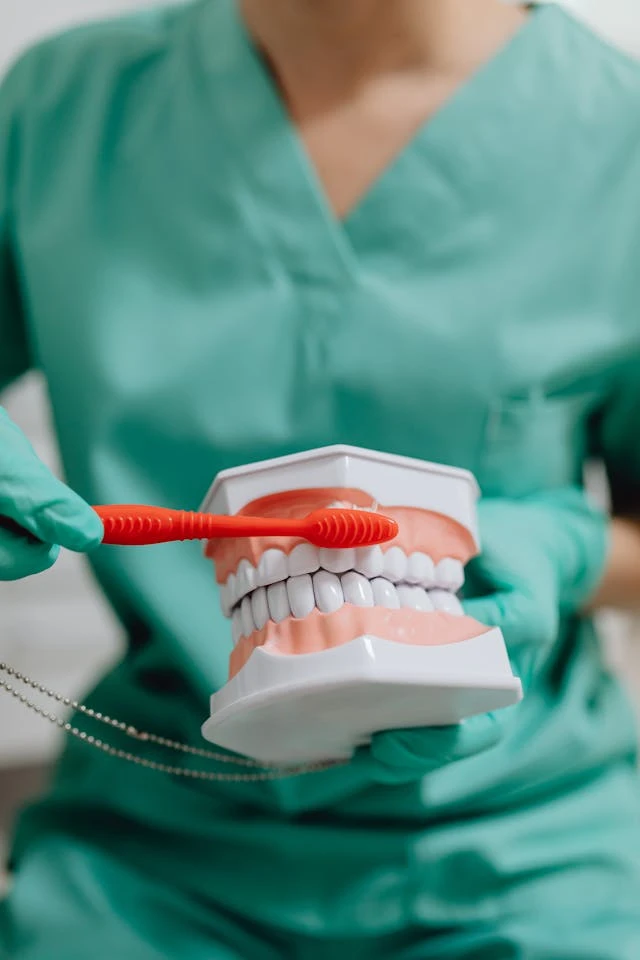
Brushing your teeth at least twice a day is one of the most important habits you can develop to avoid cavities and gum disease. From the surfaces of the teeth and gums, brushing eliminates food particles, plaque, and dangerous bacteria. This helps to avoid the accumulation of plaque that can cause gum inflammation and tooth decay. Fluoride toothpaste and a soft-bristled toothbrush help one brush correctly. A tongue scraper can be a handy tool since it helps to clean the tongue and stop the accumulation of germs that might cause certain oral health problems and bad breath. For good cleaning without compromising the enamel, gentle, circular motions are advised.
Floss Daily to Clean Between Teeth
Brushing just cleans the outside of the teeth; it does not reach the tight gaps between them where food particles and plaque might gather. Flossing is then quite important here. A regular habit should be flossing since it helps eliminate trash and plaque that are inaccessible with a toothbrush. This easy action greatly lowers the risk of cavities and gum disease by softly slipping the floss between teeth and gliding it up and down the gum line. Additionally beneficial for gum health and strength is flossing. Plaque accumulation without flossing can cause gingivitis, the first stage of gum disease, which, if not treated, can develop into more severe gum problems.
Eat a Balanced Diet and Limit Sugary Foods
The condition of teeth and gums is significantly influenced by the foods one eats. A low-sugar diet high in nutrients helps the body fight off bacterial development in the mouth. Foods heavy in vitamins, minerals, and fiber, such as fruits, vegetables, and whole grains, help to maintain good teeth and gums by supplying vital nutrients. Conversely, eating sugary and acidic meals can encourage harmful bacteria in the mouth to proliferate quickly, therefore aggravating gum disease and cavities. Sugary drinks and snacks create an environment where bacteria flourish and generate acids that wear down dental enamel.
Visit the Dentist Regularly for Check-ups and Cleanings
Maintaining ideal oral health depends critically on regular dentist visits and expert cleanings. There are regions in the mouth that could be difficult to reach or completely clean, even with a strong home care schedule. Before they become major concerns, a dentist can see early indicators of cavities, gum disease, or other dental conditions. Professional cleanings assist in eliminating tartar accumulation, which is not possible with brushing or flossing alone. These appointments also allow people to ask their dentist for specific recommendations on how to enhance their dental hygiene regimen going forward.
Stay Hydrated and Avoid Tobacco Products
Maintaining dental health is mostly dependent on being hydrated, albeit basic. Water helps wash away food particles, germs, and acids that could cause gum disease and cavities throughout the day. Saliva is very important in neutralizing acids and shielding teeth from decay; thus, maintaining hydration helps to guarantee that the mouth generates enough saliva to complete this task successfully. Conversely, dehydration can cause dry mouth, which raises the risk of gum disease and tooth decay. Tobacco use is another bad habit one should avoid since it greatly influences dental health problems. Gum disease, foul breath, and even oral cancer can result from tobacco use, either smoking or chewing. Tobacco also lessens the blood supply to the gums, therefore impairing the body's capacity for immunity against diseases.
Conclusion
Maintaining healthy teeth and gums takes regular work, but it does not have to be difficult. Anyone can avoid gum disease and cavities by including these easy behaviors in daily activities. Optimal oral health can be ensured in great part by regular brushing, flossing, a balanced diet, dental visits, hydration, and avoidance of destructive habits like tobacco use. Furthermore, keeping a cleaner mouth and supporting oral hygiene can be achieved by means of tongue scrapers, which also help. Regular practice of these behaviors helps one to have a good smile, more confidence, and a lower risk of oral health issues.














Sign in to leave a comment.