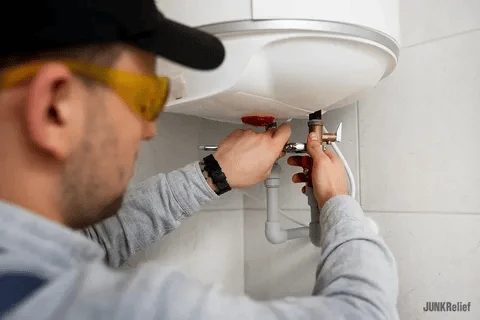

Most people don’t think about their water heater until a cold shower forces them to. But this essential appliance often gives clear signals before it fails completely. The five most common warning signs that you need a water heater repair or installation are inconsistent water temperatures, discolored or rusty water coming from the hot taps, strange noises like popping or rumbling, any visible moisture or leaks around the tank, and the unit's age, especially if it’s over a decade old. Ignoring these indicators can lead to bigger issues, from no hot water to a full-blown tank rupture and serious water damage.
This guide, built on years of hands-on experience from plumbing professionals, breaks down each warning sign. It explains what’s happening inside the tank and helps you understand whether a simple fix or a full replacement is the smarter choice. Knowing what to look for can save you from a major headache and an emergency expense down the road.
Inconsistent Water Temperature
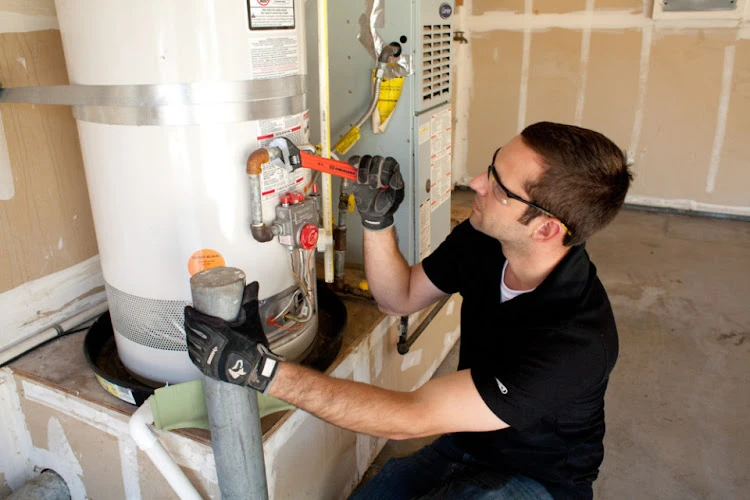
One of the first signs of trouble is water that just won’t stay hot. You might get a blast of scalding water followed by a lukewarm flow, or the hot water might run out much faster than it used to. This inconsistency is often caused by a few common problems. Sediment buildup at the bottom of the tank can insulate the water from the heating element, making it work harder and less effectively. In electric heaters, a failing heating element could be the culprit, while gas models might have a faulty thermostat or thermocouple.
While a faulty part can sometimes be replaced, severe sediment buildup often points toward the end of the heater’s life. The constant overheating caused by the sediment layer can weaken the tank's metal structure over time.
- Bonus Tip: Homeowners can extend the life of their water heater by flushing the tank once a year. This process removes the sediment before it hardens and causes damage. This is especially helpful in areas with hard water, where mineral deposits accumulate more quickly.
Discolored or Rusty Water
If you turn on a hot water tap and see brownish or rusty water, it's a serious red flag. This almost always means the inside of your water heater tank is corroding. Hot water tanks are built with a steel liner and an "anode rod" designed to attract corrosive elements in the water, sacrificing itself to protect the tank. Once that rod is completely used up, the water starts eating away at the tank itself.
Rusty water indicates that the structural integrity of the tank is compromised. A small amount of rust on the inside can quickly turn into a pinhole leak or, in a worst-case scenario, a major rupture. If the discolored water only comes from the hot taps and not the cold ones, the water heater is almost certainly the source of the problem.
Strange Noises from the Tank
Your water heater should operate almost silently. If you start hearing popping, rumbling, or banging sounds, it’s a sign of advanced sediment buildup. As layers of mineral deposits collect at the bottom of the tank, they can harden and trap water underneath. When the burner or heating element kicks on, that trapped water boils, creating steam bubbles that cause the sediment to shift and make noise.
These sounds aren't just annoying; they signal a problem that is reducing efficiency and putting a great deal of stress on the appliance. The repeated force of the bubbling water can weaken the tank's inner lining, increasing the risk of cracks and leaks. The average cost of water damage cleanup from a failed appliance is often thousands of dollars, making it wise to address these noises early.
Visible Leaks or Moisture
Any water pooling around the base of your water heater demands immediate attention. Even a small puddle or a slow drip can indicate a significant problem. First, you need to identify the source of the leak. Sometimes, the issue is a loose connection at the inlet or outlet pipes or a failing temperature and pressure (T&P) relief valve. These are generally repairable fixes.
However, if the water is coming from the tank itself, usually through a crack or corroded seam, a repair is not an option. A leaking tank is a sign of internal failure, and the entire unit must be replaced as soon as possible to prevent a flood. Waiting only increases the risk of the leak worsening suddenly.
- Bonus Tip: Every few months, take a quick look at the T&P valve on the side or top of your heater. If you see any drips or crusty buildup around it, it could be a sign of excessive pressure in the tank, which needs to be checked by a professional.
The Water Heater is Getting Old
Even if it seems to be working fine, an old water heater is operating on borrowed time. A standard tank-style water heater has an average lifespan of 8 to 12 years. You can usually find the manufacturing date on a sticker on the side of the tank. If your unit is approaching or has passed the decade mark, it’s time to start planning for a replacement.
As water heaters age, they become less efficient and more prone to failure. The risk of a sudden leak increases substantially after 10 years. Newer models are also much more energy-efficient. According to industry data, upgrading to a modern, high-efficiency water heater can reduce water heating costs by as much as 50%, offering long-term savings that help offset the initial installation cost.
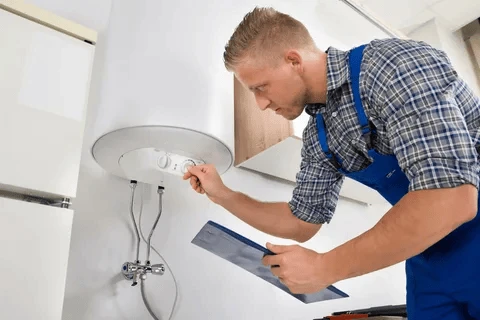
Repair or Replace The Water Heater?
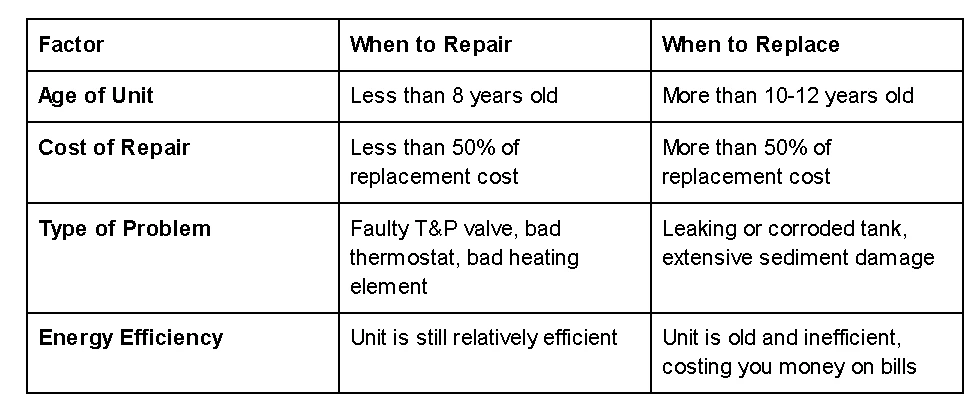
Deciding whether to fix a broken water heater or invest in a new one can be tricky. The right choice depends on the unit's age, the type of problem, and the cost of the repair. This table breaks down the key decision points.
Things to Consider Before Making a Decision
Before you commit to a new water heater installation, think about your household's needs. A little planning ensures you get the right appliance for the long term.
First, consider your family’s size and hot water usage. A large family that often runs laundry and showers simultaneously may benefit from a larger tank or a tankless system that provides continuous hot water.
Next, look at fuel type. Natural gas is typically cheaper to operate than electricity, but not all homes have a gas line. If you're replacing an electric model, see if switching to gas is a possibility.
Finally, weigh the upfront cost against long-term savings. Tankless water heaters have a higher initial price tag but last longer and have lower monthly operating costs. A traditional tank heater is cheaper to install but will use more energy over its shorter lifespan. Think about how long you plan to stay in your home to determine which investment makes more sense.
Common Questions About Water Heater Problems
How often should a water heater be flushed?
A water heater should be flushed at least once a year to remove sediment. If you live in an area with particularly hard water, you may want to do it every six months to maintain efficiency and prolong the unit's life.
What is that rotten egg smell coming from my hot water?
That sulfur smell is usually caused by bacteria colonizing in the tank, often reacting with the anode rod. Flushing the tank and replacing the magnesium or aluminum anode rod with a zinc-aluminum one can typically solve this problem.
Can I install a water heater myself?
It’s generally not recommended for homeowners. Installing a water heater involves working with gas lines or high-voltage electricity, as well as proper plumbing and venting. Mistakes can be dangerous, so it's a job best left to licensed professionals.
Is a tankless water heater always better?
Not necessarily. Tankless heaters are great for providing endless hot water and saving space, but they have a higher purchase price and may require upgrades to your home's gas lines or electrical panel. They are most efficient for households with high hot water demand.
How long does a water heater installation take?
For a straightforward replacement of a similar model, a professional plumber can typically complete the job in 2 to 4 hours. More complex installations, like switching from a tank to a tankless model, may take longer.
Making the Right Call for Your Home
Recognizing the early warning signs from your water heater can make all the difference. Inconsistent temperatures, rusty water, strange noises, leaks, and old age are all clear signals that it's time to take action. Being proactive allows you to research your options and choose the right solution for your home and budget, rather than making a rushed decision when you're stuck with no hot water. A careful evaluation of your current unit's condition and your household's future needs will help you decide whether a repair or a new installation is the best path forward.
Get a Professional Water Heater Assessment
If you're noticing any of these warning signs, it’s a good idea to have a professional take a look. An experienced plumber can accurately diagnose the problem and give you clear options. For homeowners in the area, companies like Simpson Plumbing LLC specialize in water heater repair and installation. Their technicians can inspect your system, determine the cause of the issue, and provide a recommendation based on your specific situation. You can contact their team for a consultation by phone at (360) 954-2041 or by email at [email protected].
Author: Bethanie Anderson is the President and General Manager of Simpson Plumbing, leading the company with a focus on teamwork, integrity, and community. Since joining in 2017, she has helped shape its growth while honoring its 40+ year legacy.
Reviewer: With over 12 years of experience in residential plumbing services, Zoe Carter ensures every detail in this content reflects practical industry knowledge and current plumbing standards.










Sign in to leave a comment.