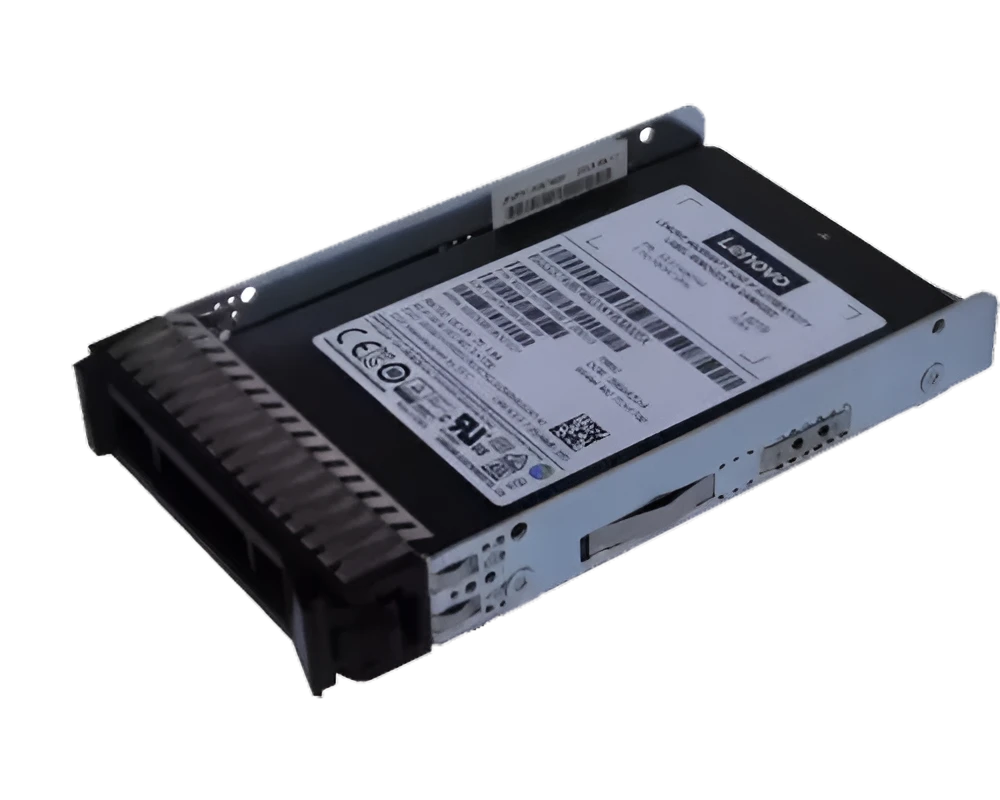

Websites grow fast today. More users visit online stores, blogs, and apps every day. This heavy traffic puts pressure on servers. Many older systems still use hard disk drives. These drives work, but they run slower than modern storage.
A recent report shows that 59% of enterprises are actively replacing traditional HDD storage with SSD-based systems to improve speed and reliability. This change shows how important speed has become for online services.
Businesses want quick websites and smooth apps. Users also expect pages to open without delay. A slow server can push visitors away. That is why many companies upgrade to an SSD server today. SSD storage reads and writes data at a much higher speed. It also uses modern technology that improves reliability and efficiency.
The sections below explain six key benefits that make this upgrade a smart move.
1. Faster Website Loading
Website speed plays a big role in user experience. People leave a page when it loads slowly. A faster server keeps visitors on the site longer.
An SSD server reads data quickly, where it stores files on flash memory instead of spinning disks. This design helps the server find information almost instantly. As a result, websites open faster and run smoothly.
Businesses see clear benefits from this speed improvement.
- Web pages load faster.
- Online stores process orders quickly.
- Visitors stay longer on the site.
- Search engines favor faster websites.
Fast loading also helps customer satisfaction. When users see quick results, they trust the platform more. This trust often leads to higher sales and stronger engagement.
2. Better Server Performance
A server handles many tasks at the same time. It processes user requests. It loads files. It connects with databases. When the storage system slows down, the whole server feels the pressure. SSD servers solve this problem with strong performance.
Smart Data Handling for Modern Workloads
SSD storage processes many requests at once. This feature helps websites that receive heavy traffic. Blogs, eCommerce stores, and apps all benefit from this ability.
Developers also notice smoother system performance. Applications open quickly and run without delay. Database operations also become faster. These improvements create a stable and responsive platform for users.
Performance also helps teams work better. A fast system saves time during updates, backups, and data transfers. This speed helps companies run daily operations without technical stress.
3. Strong Reliability and Stability
Servers must stay active day and night. Any failure can stop a website or service. Businesses lose customers when downtime occurs. SSD servers improve reliability because they use solid-state technology. Traditional hard drives rely on spinning disks and moving parts. These parts wear out over time.
Fewer Hardware Failures
SSD storage works without mechanical movement. This design reduces the chance of physical damage. The server runs smoothly for longer periods.
Companies gain several advantages from this stability.
- Lower risk of hardware breakdown.
- Less downtime for websites.
- Stable system performance.
- Reliable data access.
A stable server builds trust among users. Customers feel confident when a website runs smoothly every time they visit.
4. Improved Energy Efficiency
Energy use matters for modern data centers. Large servers consume a lot of power. High electricity use increases operating costs.
SSD servers use less energy compared with traditional drives. Solid-state technology needs less power to read and write data. This difference may seem small for one server, but it becomes significant in large systems.
Lower power usage helps businesses in several ways.
- Reduced electricity costs.
- Lower heat generation.
- Better cooling efficiency.
- Environment-friendly operations
Less heat also protects hardware components. A cooler system runs more smoothly and lasts longer. These benefits make SSD servers a practical choice for companies that want efficient technology.
5. Faster Data Access for Applications
Modern applications depend on quick data retrieval. Every click on a website triggers a request for information. The server must respond quickly to maintain a smooth experience. SSD servers deliver very fast data access. Flash storage retrieves files almost instantly. This quick response improves many digital services.
Applications gain clear advantages from this speed.
- Faster login processes.
- Quick database queries.
- Smooth streaming and downloads.
- Better performance for online tools.
Developers appreciate this improvement because it simplifies system design. When the storage layer runs fast, the whole application becomes more responsive. This benefit helps businesses deliver a better digital experience.
6. Better Support for High Traffic Websites
Many websites grow quickly after launch. Traffic increases through marketing on social media and search engines. A weak server struggles under heavy load.
SSD servers handle high traffic with ease. Their fast read and write speed supports many user requests at the same time. This ability keeps the website stable even during busy hours.
Online stores benefit greatly from this capability. Large product catalogs require constant database access. SSD storage processes these operations quickly.
High-traffic platforms see several advantages.
- Smooth browsing during peak hours.
- Faster product page loading.
- Stable checkout processes.
- Better user satisfaction.
A reliable server also protects brand reputation. Visitors expect smooth performance. A fast and stable platform builds long-term loyalty.
Conclusion
Technology keeps moving forward. Businesses must upgrade their systems to stay competitive. An SSD server offers clear advantages that improve speed, reliability, and efficiency.
This upgrade helps websites load faster. It improves server performance and supports modern applications. It also reduces hardware failure and saves energy. High-traffic websites also benefit from stable performance and quick data access.
These six benefits show why many companies switch to SSD servers today. Businesses that adopt SSD servers gain a strong foundation for future growth. A faster and more reliable server helps companies serve users with confidence. The upgrade also prepares digital platforms for increasing traffic and data demands in the years ahead.











Sign in to leave a comment.