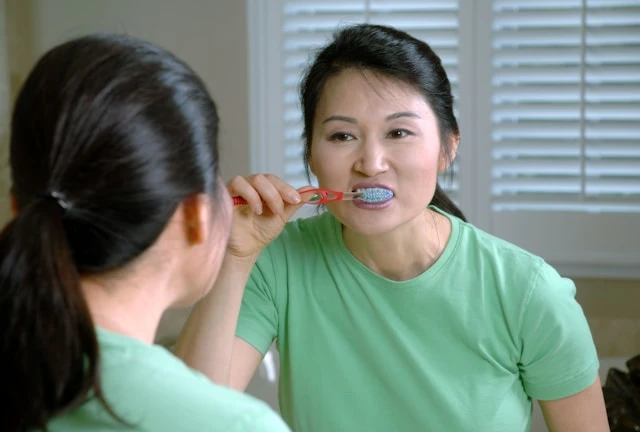

Having a healthy smile involves more than just brushing twice . Toothbrushes and floss are essential for oral hygiene, but many other tools can boost your dental care and stop long-term problems. A lot of these tools are basic, cheap, and work well—but people often don't know about them. If you want to improve your gum health, have fresher breath, or prevent cavities adding these less-known tools to your routine can help.
Let's check out seven oral care tools that you should keep in your bathroom cabinet.
Tongue Scraper
Your tongue is home to bacteria that cause bad breath and help plaque build up. Brushing your tongue with a toothbrush does help, but a tongue scraper works much better to remove the thin layer of gunk that builds up each day. You can get these tools in stainless steel or plastic. They work by moving across your tongue, picking up bacteria and bits of food. If you use one , you might notice your sense of taste gets better and you're less likely to have stinky breath. It's a cheap tool that can boost your mouth health.
Interdental Brushes
Flossing plays a key role, but it can't always clean every spot—especially for people who wear braces, have bridges, or have wider spaces between their teeth. Interdental brushes are small round brushes made to clean between teeth where normal floss might have trouble. You can find them in different sizes to fit various gaps, and they work great to remove plaque and stuck food. Dentists often tell patients with gum problems or braces to use them. When used right, these brushes can help reduce swelling and bleeding in the gums.
Water Flosser
People who find regular flossing boring or uncomfortable can try a water flosser as a strong option. This tool shoots out a high-pressure water stream to remove food bits and plaque stuck between teeth and near the gums. It works great for people with sensitive gums, implants, or braces. Research shows that water flossers can be as good as—or even better than—string floss to cut down on gum disease and boost gum health. A dentist might suggest it to patients who have trouble using their hands or have special dental needs.
Dental Picks
Dental picks crafted from soft rubber or plastic, serve as a useful tool to clean between teeth. Unlike toothpicks, which can harm gums and enamel dental picks have a design that allows them to be gentle but effective. They work well for cleaning on the go after meals and can help to remove tough food bits without needing to floss. While they shouldn't take the place of flossing, they make a great addition to your daily routine and can help to keep your teeth clean throughout the day. An oral health expert might recommend it for patients who struggle with manual dexterity or have specific dental needs.
Chewable Toothbrushes
Perfect for trips or unexpected situations chewable toothbrushes are small throwaway tools that clean your teeth without needing water or toothpaste. These tiny brushes often have a mint flavor and soft bristles that scrub your teeth as you chew. They can't replace regular brushing, but they come in handy when you're out and about and can't use your normal teeth-cleaning stuff. Kids or people who have trouble moving around and find it hard to brush the usual way can also benefit from these.
Oral Irrigators for Gum Massage
Besides cleaning oral irrigators have an influence on gum health. They can massage the gums, which boosts blood flow and lowers swelling. This feature is useful for people with gum problems or those healing from dental work. The pulsing water stream gives the gum tissue a boost, which can help to heal and cut down on pain. While many water flossers include this option, some devices are made just to massage gums and come with special tips to focus on certain areas.
Disclosing Tablets
Plaque-revealing tablets offer an entertaining and instructive way to see tartar buildup on your teeth. Chewing one causes the dye to color areas where plaque exists helping you spot places you might overlook while brushing. These tablets prove helpful for kids learning correct brushing methods, though grown-ups can gain from them too. They provide a visible reminder to enhance brushing habits and guarantee thorough cleaning. Using them once every seven days can help strengthen better oral health routines and lower your chances of getting cavities.
To wrap up
Oral health goes beyond avoiding cavities—it's about keeping your mouth clean and balanced to support your overall health. By adding these lesser-known tools to your daily habits, you can clean areas that regular brushing and flossing might skip. Things like tongue scrapers and disclosing tablets each have their own perks that help create a healthier smile. To take charge of your oral care, you don't need complex routines—just be open to trying new methods and stick with them. Your teeth gums, and breath will be better for it.














Sign in to leave a comment.