

Joint pain is a prevalent issue that can significantly impact daily life, affecting mobility and overall well-being. Millions of individuals experience discomfort in their joints, whether due to conditions such as osteoarthritis, rheumatoid arthritis, or simply the wear and tear that comes with age. Fortunately, there are numerous treatments available that can help manage and alleviate these symptoms. This article delves into seven proven joint pain treatments that can keep you moving pain-free, ensuring an active and fulfilling lifestyle.
Understanding Joint Pain
Before diving into treatments, it’s essential to grasp the underlying causes of joint pain. This discomfort can arise from inflammation, injury, or degeneration of the joint structures. The severity of the pain often correlates with the underlying condition, ranging from mild and intermittent to severe and chronic. Factors such as genetics, previous injuries, and lifestyle choices can exacerbate the situation. Understanding these factors can empower individuals to seek appropriate treatments tailored to their needs.
1. Physical Therapy
One of the most effective treatments for joint pain is physical therapy. A licensed physical therapist can create a personalized program that focuses on strengthening the muscles surrounding the joints, improving flexibility, and enhancing overall mobility. Physical therapy often includes exercises designed to stabilize the joint while reducing pain and inflammation. As patients progress, therapists may introduce more challenging movements, ensuring the joint remains healthy and functional. Additionally, physical therapy promotes the body’s natural healing processes, reducing reliance on medications and invasive procedures.
2. Exercise and Weight Management
Regular exercise is a cornerstone of joint health. Engaging in low-impact activities such as swimming, cycling, or walking can help maintain joint function without exacerbating pain. Exercise strengthens the muscles that support the joints, improves range of motion, and increases blood flow, which can aid in the healing process. Moreover, maintaining a healthy weight is crucial, as excess weight places additional stress on weight-bearing joints like the knees and hips. By adopting a balanced diet and a consistent exercise regime, individuals can significantly reduce their joint pain and enhance their quality of life.
3. Medications
Over-the-counter medications, such as nonsteroidal anti-inflammatory drugs (NSAIDs), can provide temporary relief from joint pain. These medications work by reducing inflammation and alleviating discomfort. In more severe cases, healthcare practitioners may prescribe stronger pain relievers or corticosteroids to manage pain and inflammation. However, it’s essential to approach medication use cautiously, as long-term reliance on painkillers can lead to adverse effects. Therefore, it’s vital to discuss any medication regimen with a healthcare provider to ensure it aligns with individual health needs and goals.
4. Alternative Therapies
Many individuals seeking relief from joint pain turn to alternative therapies, including acupuncture and massage therapy. Acupuncture involves inserting thin needles into specific points on the body to promote healing and alleviate pain. Research has shown that acupuncture can effectively reduce joint pain and improve functionality in individuals with conditions like osteoarthritis. Similarly, massage therapy can help relax tense muscles, improve circulation, and reduce pain. By incorporating these therapies into a comprehensive pain management plan, individuals may experience enhanced results and greater overall well-being.
5. Nutritional Supplements
Certain nutritional supplements have gained popularity as potential aids in managing joint pain. Glucosamine and chondroitin sulfate are among the most well-known, believed to support cartilage health and reduce inflammation. Omega-3 fatty acids, commonly found in fish oil, have also been shown to have anti-inflammatory effects that may benefit joint health. While these supplements may provide relief for some individuals, results can vary. It’s essential to consult with a healthcare professional before starting any supplement regimen to ensure it’s safe and beneficial.
6. Hot and Cold Therapy
Applying heat and cold to affected joints can also provide significant relief. Heat therapy, such as warm baths or heating pads, can help relax muscles and improve blood flow, making it particularly useful for chronic pain. Conversely, cold therapy, such as ice packs or cold compresses, can reduce inflammation and numb sharp pain. By alternating between heat and cold, individuals can create a soothing routine that addresses their specific pain symptoms effectively. This simple yet effective approach can easily be integrated into daily life, offering a practical solution for managing joint discomfort.
7. Regenerative Medicine
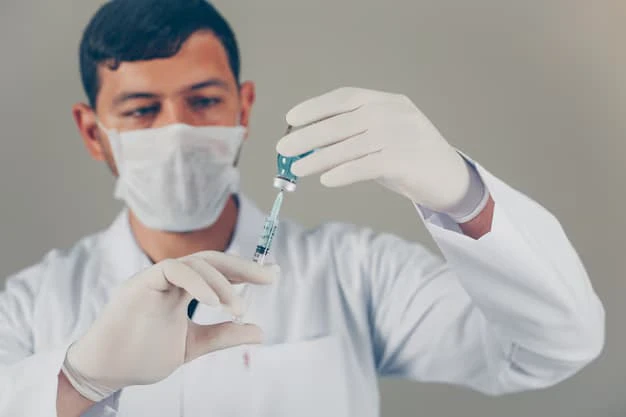
Emerging treatments in the field of regenerative medicine, such as stem cell therapy and platelet-rich plasma (PRP) injections, have shown promise in alleviating joint pain. These therapies aim to harness the body’s natural healing capabilities to repair damaged tissues within the joints. Stem cell therapy involves injecting stem cells into the affected area, promoting tissue regeneration and reducing inflammation. PRP therapy, on the other hand, utilizes the patient’s own blood, concentrating the platelets and growth factors before re-injecting them into the joint. While still relatively new, these therapies represent an exciting frontier in joint pain treatments, offering hope for those who have not found relief through traditional methods.
Conclusion
Managing joint pain requires a multifaceted approach that encompasses various treatment options. From physical therapy and exercise to alternative therapies and innovative regenerative medicine, individuals have a wealth of resources at their disposal to alleviate discomfort and improve mobility. Understanding the underlying causes and adopting a proactive attitude toward treatment can empower individuals to reclaim their lives and maintain an active lifestyle. For those seeking comprehensive solutions for joint pain, Edge Peptide Therapy offers a wealth of information and innovative approaches to help you move pain-free. Embracing these treatments can lead to profound improvements in quality of life, allowing individuals to live pain-free and enjoy every moment to the fullest.












Sign in to leave a comment.