
Running toilets steadily waste water while quietly signaling internal problems that rarely correct themselves without attention. Experienced plumbers explain that repeated refilling usually happens when tank components lose alignment, wear down, or fail to shut off water cleanly. This breakdown explains why toilets keep running and how a plumber in stops waste before it leads to higher utility bills and unnecessary system strain. Small mechanical issues often create outsized water loss when ignored.
“Running toilets may seem minor at first, but they can waste hundreds of gallons of water each day if left unchecked,” explains DiMarco Plumbing. “In most cases, the issue comes down to worn internal components or improper alignment inside the tank, and addressing it early prevents unnecessary water loss and keeps utility costs from climbing.”
Why Toilets Keep Running
Hands-on plumbing experience reveals how predictable these problems often become. A common situation involves a homeowner hearing the tank refill several minutes after flushing, which typically points to one internal component no longer sealing as intended. Familiar patterns like this allow plumbers to diagnose problems quickly and restore proper shutoff without trial and error.
1. Worn Flapper Valve
Flapper valves form the main seal that holds water in the tank between flushes, and aging rubber gradually stiffens or distorts. When the seal weakens, water slips into the bowl slowly, triggering frequent refilling cycles that continue unnoticed. The Environmental Protection Agency identifies worn flappers as one of the most common causes of residential toilet leaks.
• Rubber loses elasticity over time
• Weak seals allow continuous leakage
• Replacement restores reliable closure
2. Faulty Fill Valve
Fill valves control how much water enters the tank after each flush, and internal wear disrupts precise shutoff. Mineral buildup or mechanical fatigue may cause the valve to keep running even when the tank appears full. The EPA reports that toilets account for nearly 30 percent of indoor household water use, which makes fill valve problems a major source of wasted water.
• Valves regulate refill levels
• Wear prevents complete shutoff
• Repairs stabilize water control
3. Incorrect Float Height
Float height determines when the fill valve closes, and poor adjustment allows water levels to rise beyond the intended mark. Excess water drains quietly into the overflow tube, creating constant loss without obvious leaks. Plumbers reset float height carefully to maintain balanced tank levels and prevent unnecessary drainage.
• Float position controls shutoff timing
• High water levels trigger overflow loss
• Proper adjustment restores balance
4. Overflow Tube Leaks
Overflow tubes protect against tank overfilling but become a source of waste when water levels remain elevated. Continuous drainage sends clean water into the bowl without flushing, increasing water use silently. The U.S. Geological Survey warns that unnoticed toilet leaks can waste hundreds of gallons per day when left unresolved.
• Overflow tubes redirect excess water
• Elevated levels cause steady loss
• Corrections reduce daily waste
5. Loose Flush Handle Chain
Flush handle chains connect the handle to the flapper and must maintain precise length to function correctly. Excess slack leads to tangling, while overly tight chains prevent full closure after flushing. Plumbers adjust chain length carefully to ensure smooth movement and dependable sealing every time.
• Chain length affects flapper position
• Tangling disrupts proper closure
• Adjustments restore normal operation
6. Cracked Tank Components
Small cracks inside the tank allow water to escape slowly and often without visible signs. Temperature shifts, aging materials, and structural stress commonly contribute to this damage. Plumbers inspect tanks closely to determine whether sealing or replacement offers the safest long-term solution.
• Hairline cracks create hidden leaks
• Damage worsens gradually
• Inspection guides repair decisions
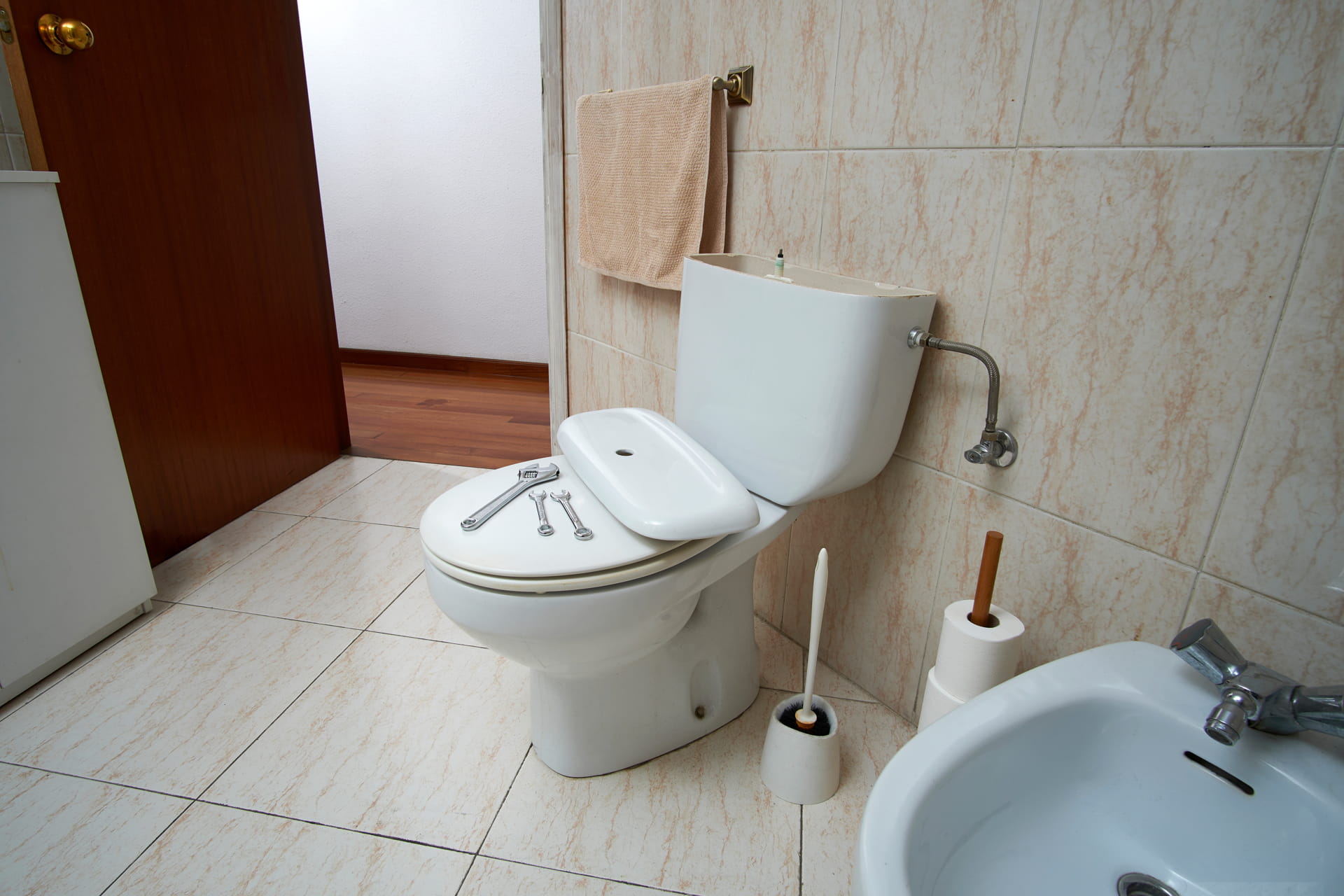
7. Aging Toilet Parts
Older toilets contain internal components that degrade together rather than failing individually. Rubber seals harden, plastic pieces weaken, and corrosion interferes with smooth movement, leading to inefficient operation. The EPA notes that toilets over twenty years old often use significantly more water due to outdated internal designs.
• Aging parts reduce efficiency
• Multiple failures occur simultaneously
• Internal rebuilds restore control
Persistent toilet running almost always stems from minor mechanical breakdowns rather than major plumbing defects. Each issue discussed involves parts designed to regulate water flow precisely, and even slight wear leads to ongoing waste. Homeowners who address these problems early reduce repeat failures while protecting both plumbing systems and household water usage. A plumber focuses on correcting root causes rather than temporary fixes to keep water loss under control.
Key Takeaways for Why Toilets Keep Running and How a Plumber Stops Waste
• Small internal issues cause continuous water loss
• Silent leaks significantly increase household water usage
• Early professional repairs prevent recurring problems











Sign in to leave a comment.