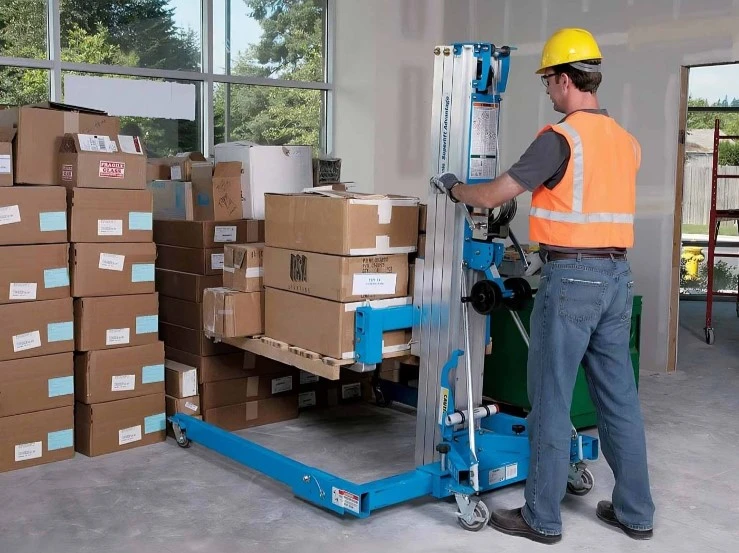

Material handling is a crucial component of industrial, construction, and warehouse operations. Reliable material lifting equipment is essential for maintaining productivity, safety, and efficient workflows, yet all machines and tools have a limited lifespan. Over time, they undergo wear and tear, face technological limitations, or experience reduced capacity, which can increase risks and decrease operational efficiency.
Knowing when to upgrade is essential for maintaining a safe and cost-effective workplace. If you have been using the same lifting systems for an extended period, it may be time to consider an upgrade. Below are seven clear signs that your current equipment may no longer be meeting your operational needs effectively.
1. Frequent Breakdowns and Repairs
One of the earliest and most apparent signs that it’s time to replace your equipment is the increasing frequency of breakdowns. If your lifting machinery is frequently out of service for repairs, you are not only incurring maintenance costs but also losing valuable operational time.
While occasional maintenance is part of responsible ownership, persistent faults suggest deeper mechanical or structural issues. At some point, the cost of repairs outweighs the benefits of holding onto outdated machines. Upgrading to modern equipment reduces downtime and saves money in the long term.
2. Safety Concerns Are Increasing
Safety in the workplace should always be the top priority. If your lifting tools do not meet current safety standards, this indicates a significant concern. Outdated or damaged equipment can pose serious risks, including snapped cables, hydraulic failures, or weakened structural components.
Mishaps during material handling can cause serious injuries, damage goods, and result in costly losses. Employers are responsible for maintaining safe workplaces, which includes ensuring that all machinery is reliable and complies with current regulations. If you identify safety hazards related to your lifting systems, upgrading them becomes an essential and non-negotiable decision.
3. Struggling with Load Capacity
As industries grow and evolve, the requirements for lifting equipment also change. Perhaps when you first invested in your machinery, your operations involved lifting smaller or lighter loads. Over time, as your business has grown, you may now need to handle larger, heavier, or more complex materials.
If your current machinery cannot handle these increasing demands without strain, it is likely being pushed beyond its intended capacity. This not only shortens the equipment's lifespan but also creates safety risks. Upgrading to modern lifting equipment designed for heavier loads improves efficiency and helps protect both workers and materials.
4. Rising Maintenance Costs
When equipment reaches the later stages of its lifecycle, maintenance costs often increase significantly. As equipment ages, sourcing spare parts becomes more difficult, repairs take longer, and overall maintenance expenses rise.
If your maintenance log is filling up with frequent entries and expenses, it may be a financial signal to invest in a new system rather than continuously patching up an old one. New lifting equipment is generally more cost-effective in the long run, especially when considering reduced downtime and improved fuel or energy efficiency.
5. Outdated Technology and Features
Technological advancements in lifting equipment have been significant over the past decade. Modern machinery now includes features such as advanced safety sensors, automated systems, improved energy efficiency, and ergonomic controls for operators.
If your current machinery lacks these modern features, your business may be missing out on increased productivity, lower energy costs, and improved worker safety. Investing in upgraded equipment not only offers a competitive advantage but also ensures your workplace remains aligned with industry standards.
6. Equipment No Longer Complies with Regulations
Workplace safety regulations are regularly updated to incorporate new technologies and practices. If your equipment no longer complies with industry standards, it could expose your business to fines, penalties, or even operational shutdowns.
Regulatory compliance ensures your workers can operate in a safe and responsible environment, while also helping your business avoid penalties. Ensuring that your lifting systems meet current safety and compliance requirements is another strong reason to consider an upgrade.
7. Reduced Productivity and Efficiency
The primary purpose of material handling equipment is to enhance productivity. If you notice that your lifting processes are slowing down due to inefficiencies, outdated controls, or unreliable machinery, it could be increasing your business costs more than anticipated.
Workers may be forced to take longer to complete tasks, resulting in increased delays and reduced productivity. Newer equipment is designed to optimise lifting processes, making operations smoother, faster, and more cost-effective.
The Benefits of Upgrading Your Material Lifting Equipment
Upgrading may seem like a significant investment, but it offers numerous benefits:
- Reducing workplace risks keeps employees safe and minimises liability.
- Modern machines are faster, more precise, and easier to operate.
- Lower repair and maintenance expenses make new equipment more economical in the long term.
- New lifting systems often consume less fuel or electricity, thereby reducing operating costs.
- Newer equipment can handle a broader range of tasks and heavier loads.
Making the Right Choice
When deciding to upgrade, it’s essential to evaluate your current and future needs. Consider factors such as:
- The types of loads you handle most frequently.
- The size and layout of your workplace.
- The skill levels of your operators.
- Long-term cost savings compared to ongoing repair expenses.
Consulting with industry experts or conducting a workplace assessment can help ensure that you select the appropriate material lifting equipment for your specific operations.
Conclusion
Your material lifting equipment is essential for ensuring both safety and efficiency in workplace operations. Ignoring the warning signs of outdated machinery can lead to increased costs, reduced productivity, and unnecessary safety risks. By identifying issues early, such as frequent breakdowns, rising maintenance costs, safety concerns, and reduced efficiency, you can make informed decisions about upgrading before problems escalate.
Investing in modern lifting systems replaces outdated machines while preparing your operations for the future, keeping employees safe, and maintaining peak business performance.












Sign in to leave a comment.