
We see numbers everywhere—on food labels, in the news, and even in science class. But have you ever heard the term parts per million and wondered what it really means? It may sound like something only scientists care about, but this tiny measurement actually plays a big role in your life.
Let’s break it down in a way that makes sense. No confusing math. No science talk you need a PhD to understand. Just simple facts and fun discoveries.
1. What Does “Parts Per Million” Even Mean?
First, let’s clear this up. Parts per million (ppm) means “out of a million.” So, if you have 1 part of something in 1 million total parts, that’s 1 ppm.
Think of it like this: Imagine 1 blue jellybean in a giant jar of 1 million jellybeans. That’s 1 ppm.
It’s a small number, but when we’re talking about air pollution, chemicals in water, or even gases in the atmosphere, ppm can tell us a lot.
Want to dive deeper into how ppm fits into real-life topics like climate change or air quality? You’ll find some great insights at Chicago Pixels. They make tricky stuff easy to understand.
2. CO₂ in the Air Is Measured in PPM
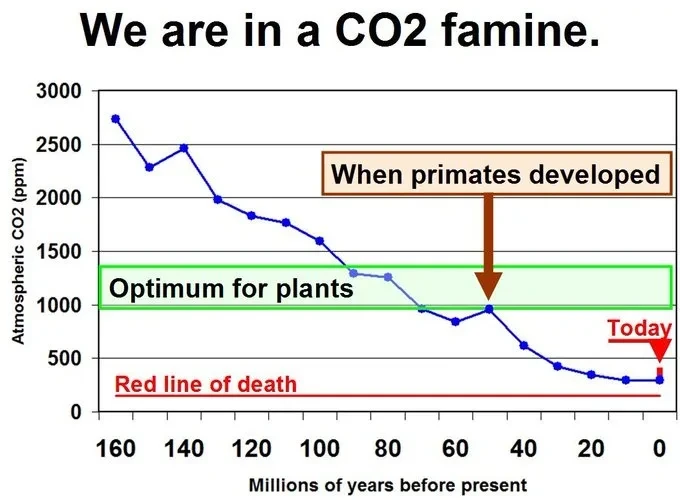
When scientists talk about climate change, they often mention carbon dioxide (CO₂) levels in parts per million. Right now, CO₂ levels are over 420 ppm. That may not sound like a lot, but it’s the highest in over 800,000 years.
Even small increases in ppm can cause big changes in temperature, sea levels, and weather patterns around the world.
3. Too Much of Anything Is Bad—even in PPM
Some chemicals are safe at low levels, but dangerous when they rise. For example, chlorine in your pool might be okay at 2 ppm. But if it jumps to 10 ppm, it can burn your eyes and skin.
That’s why testing for ppm matters. It helps people stay safe in labs, factories, schools, and even at home.
4. Even Water Has a PPM Level
Pure water doesn’t exist in the real world. There’s always something mixed in, like minerals or salt.
Water quality is often tested using total dissolved solids (TDS), which is also measured in ppm. Good drinking water usually has a TDS level below 500 ppm.
5. PPM Helps Keep Our Food Safe
Did you know that even pesticides are tracked in ppm? Farmers need to use chemicals to protect crops, but those chemicals must be under safe limits to protect people.
Food safety labs often measure residues in ppm to make sure the food you eat doesn’t have harmful levels of chemicals.
6. PPM in Cars and Engines
When you take your car for an emissions test, the computer checks how much carbon monoxide and nitrogen oxide are coming out of the tailpipe. These gases are measured in—you guessed it—parts per million.
Keeping ppm low means cleaner air and a healthier planet.
7. You Can See PPM in Your Everyday Life
You don’t need a lab coat to find ppm in your life. Here are a few everyday places you’ll spot it:
· Air purifiers use ppm to measure air quality.
· Fish tanks need the right ppm of oxygen and ammonia.
· Greenhouses use CO₂ ppm to help plants grow faster.
· Even breathalyzer tests measure alcohol in ppm!
It’s amazing how this tiny unit shows up in such big ways.
Final Thoughts
Parts per million might sound like science lingo, but it touches our lives every day. From the air we breathe to the food we eat, ppm helps measure things that are too small to see but too important to ignore.
Want to explore more cool stuff that connects science to real life? Check out Chicago Pixels—they explain topics like ppm in a way that’s easy and fun to read.
Now that you know the truth about ppm, you'll start noticing it everywhere. And next time someone mentions it, you’ll be the smart one who knows exactly what it means.















Sign in to leave a comment.