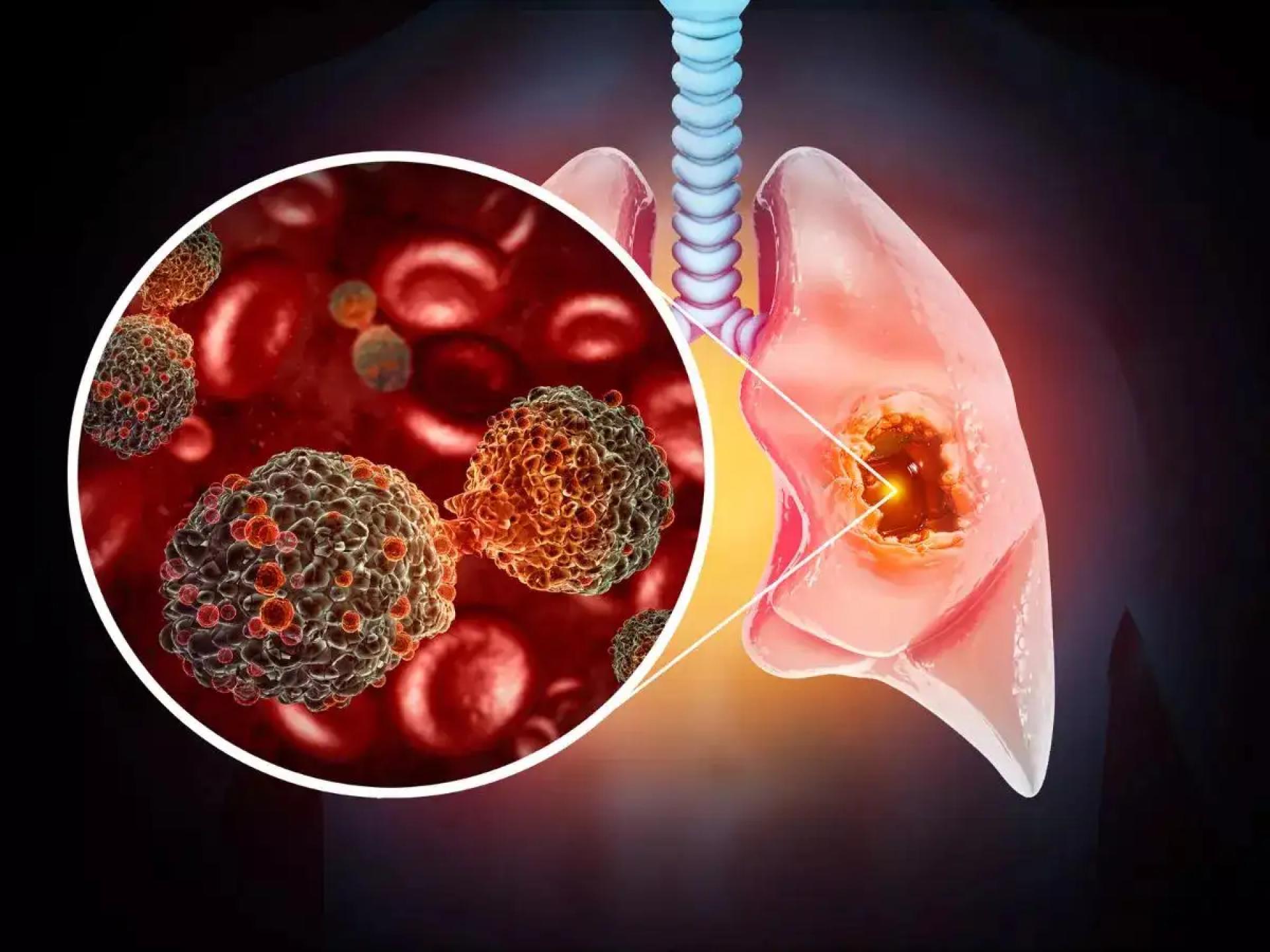
The body may give subtle messages far away from where the problem is happening. In lung cancer, changes may first happen to hands and legs before symptoms such as coughing occur. These are usually related to the body's response to the cancer, called a paraneoplastic phenomenon. Punarjan being one of the best cancer lung cancer treatment hospitals suggests that cancer releases materials or stimulates the immune system to react, which affects other parts of the body such as fingers, toes, wrists, and even ankles.
1.At the very small cell level, a lack of oxygen or growth factors such as VEGF (protein promoting the growth of blood vessels) becomes imbalanced. Under regular circumstances, the lungs filter some of the blood; however, the presence of cancer cells allows these particles to cross into the bloodstream. Eventually, these particles reach the fingertips and long bones, leading to abnormal overproduction of cells, accumulation of fluid, and inflammation. Additionally, the soft tissue and bone cells will begin to divide excessively, resulting in a swelling which may be noticeable or physically apparent.
2.How can you tell what finger clubbing looks like and why does it occur?
Finger clubbing is one of the earliest signs of possible early cancer development. The tips of fingers (and, in some cases, toes) are increased in shape to small bulb-like shapes. The nails become sharper, and the skin around the margins of the nails grow spongy. All this occurs as a result of increased connective tissues and accumulation of fluids building up below the nail beds. Deep within, growth factors from the tumor stimulate these regions via blood, instructing cells to proliferate and develop new tiny blood vessels. The tissues become congested, causing the nail to lift and become angled. This is often noticed gradually, perhaps when rings become tighter or shoes feel more constricting. This is very much related to lung problems because the lungs would normally regulate these factors, but cancer interferes with this process.
3.Why do the joints at the wrists, ankles and knees?
The joints in the wrist, ankle or knee or elbow can experience the pain of joint ailments like arthritis without the typical physical indications of injury. This can result in the legs feeling heavier than normal because the fluid will have accumulated in your ankle or shin area, and your hands can also be swollen. Hypertrophic Osteoarthropathy consists of irritation of the periosteum, the outside layer of the long bones resulting in new bone production. On a cellular level, the same growth factors and inflammation mediators increase the activity of bone-building cells. They produce new bone along the long bones, which is tender to the touch. The lining of joints is also puffy due to fluid accumulation, which makes it painful to move. Walking or holding objects becomes painful, even before symptoms of the chest illness are apparent.
4.Can your nails change color or texture in other ways?
In addition to changes in shape, nails may appear more shiny, thick, or striated. The skin around nails may become red or warm to touch; might be because of increased blood flow. These changes occur as cells in the nail bed respond to the same growth signals traveling through the cells, producing more tissue and blood vessels. This is the body's way of trying to compensate, but it indicates the body's response to the lung tumor far away.
5.How about bone tenderness in the arms or legs?
You may experience tenderness around the shin bones, forearms, or thighs when pressed. This is due to the same irritation of the bones. The new bone growth is in thin layers, which makes it tender. The cells in this area receive signals to produce more bone, which causes the tenderness.
6.Do your hands or feet ever feel weak and/or tingly?
If your hands/feet experience numbness, tingling or weakness, then there may be a nerve compression or reduced blood circulation from swelling or from some other bodily responses related to your cancer. This does not occur frequently but may be taken into account as significant in case of other symptoms.
7.Why are my feet and/or ankles swollen and the injury has not happened?
Your feet and/or ankles swelling without injury is commonly the result of inflammation in the joints/bones and leaky capillaries which are attributed to the growth factors (cytokines). This fluid spills and gathers in your lower body parts (legs/feet), making them look swollen at the end of every day.
8.Could skin on hands or legs look different?
The skin may become thickened, red, or warm to the touch around joints. This is because of the cell activity and blood vessel changes that are being triggered by the signals from the tumor.
9.If several symptoms occur at once, such as finger clubbing, joint pain and leg swelling, there is a high chance of having this paraneoplastic syndrome associated with lung cancer. The signal from the tumor to tell your body to respond to the tumor occurs prior to the size of the tumor causing you to have problems with your breathing.
These symptoms may not always indicate cancer. Other diseases can also cause these symptoms. However, being aware of these symptoms and consulting a doctor can result in faster testing. Just take a look at punarjanayurveda.com where ancient plant knowledge aligns itself silently with contemporary healing methods.
REFERENCE LINKS:
https://www.mdanderson.org/cancer-types/lung-cancer/lung-cancer-symptoms.html
https://www.cancerresearchuk.org/about-cancer/lung-cancer/symptoms
https://cpraedcourse.com/blog/lung-cancer-skin-symptoms/
https://www.cancercenter.com/cancer-types/lung-cancer/symptoms
https://www.cancercenter.com/cancer-types/lung-cancer/symptoms
https://www.cancercenter.com/cancer-types/lung-cancer/symptoms









Sign in to leave a comment.