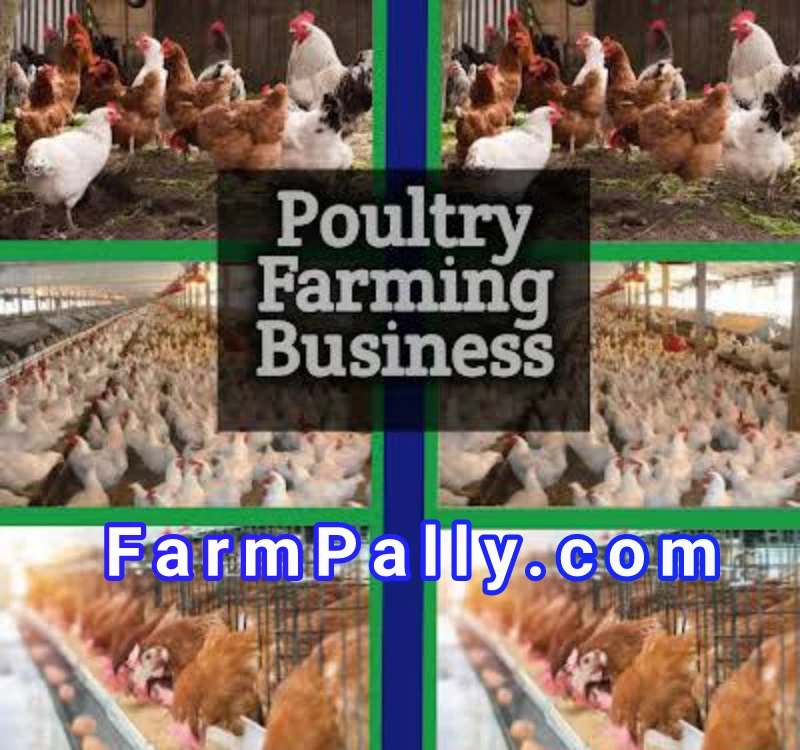
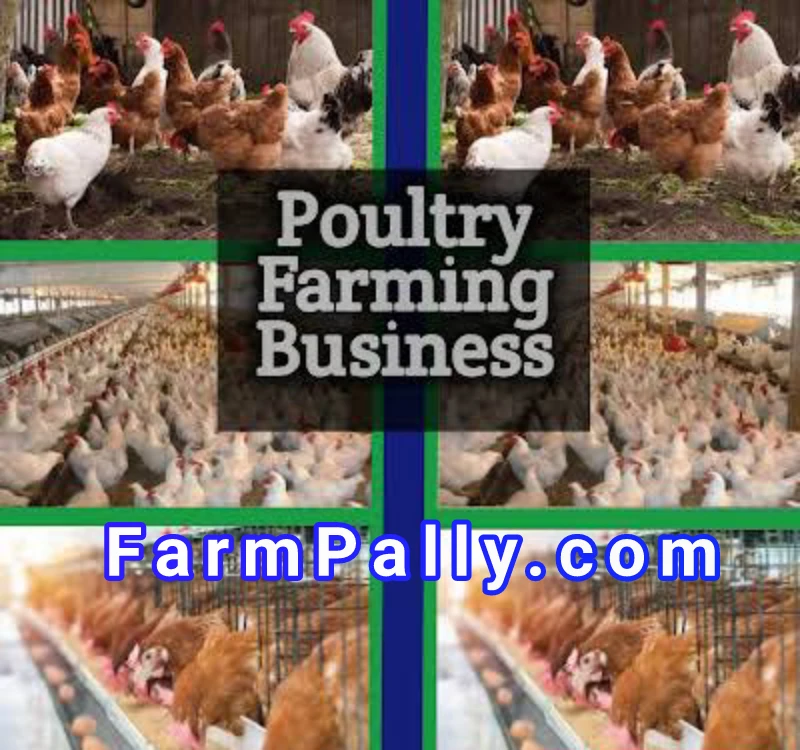
Poultry industry is very important to most nations to supply the protein needed.
After fish, beef, poultry supplies make the third list of animal protein sources in most places - eggs and poultry meat.
For people that are interested in meat production, broiler chicks are better.
Strains of good broiler chicken
There are several strains or trade names of broiler chickens. These include Ross cob, Anak, B75, Masha, Shavers, and others.
Strains of good layers
For those interested in egg production, only pullets (females) of a good laying strain should be purchased.
There are over 25 strains or trade name of layer type chickens, according to Akin chaktty.
These include Babooek, black beauty, bovine goldmine brown, bovine near black, golden comet, H and N, Harco, Hyline B11, Lohman super brown, Niger, rangers/sykes, Rhode island red strain, ross brown, shaver star cross, silgo link, S.S.C taturn tetra, thornbers, leghorn, warren and others.
Some consumers prefer eggs with brown shells. There is however no difference in nutritional quality between brown shelled and white shelled eggs.
Strains of good Turkey
For those interested in raising turkeys, white and black bronze varieties of turkeys have been used for meat production.
Turkeys are more popularly kept for meat production and for the production of hatching eggs.
Strains of Duck
The most popular breeds of ducks for meat production are Muscovy, Pekins, and Aylesbury.
For table egg production, white Indian runners and Khaki Campbell are the two most popular breeds of duck layers.
In Nigeria, the Muscovy breed is the most popular and is used for both meat and egg production.
Strains of Geese
Breeds of geese used for meat production include Toulouse, Embden, African, Egyptian, Chinese, and Canadian.
Although geese production is not too popular in Nigeria, according to farmpally.
For guinea fowls, five varieties are known, these are the Pearls (most common), Grey-breasted, Lavender, Black, and white. Guinea fowls start laying eggs at 28 to 32 weeks of age for beginners and others.
Conclusion
It is best to seek advice from a poultry expert or an experienced honest poultry farmer in your locality on the most suitable types of chicken and other birds to use for meat and egg production.
It is best to start with these birds on day-old; chicks should be purchased from reliable hatcheries or dealers normally.
Hatcheries should give free extra 2 to 4% of the number of birds purchased.
This extra should take care of any mortality or culling, chaktty said.
Culling is the process of removing less desirable or less productive animals from the stock.










Sign in to leave a comment.