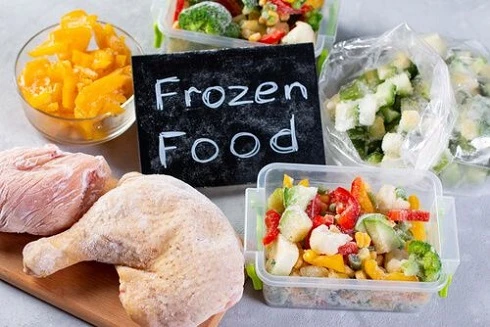

The frozen food market, long dominated by pizzas, chicken nuggets, and microwave dinners, is undergoing a fascinating transformation. Driven by a growing focus on health, sustainability, and ethical concerns, plant-based frozen food is emerging as a powerful force within this established industry. Let's explore the factors fueling this revolution and the exciting possibilities it presents.
A Sprout of Change: Consumer Trends Driving Growth
The rise of plant-based frozen food is fueled by several key consumer trends:
Shifting Dietary Preferences: A growing number of consumers are embracing vegetarian, vegan, or flexitarian lifestyles, driven by health concerns, environmental considerations, or animal welfare issues. This creates a demand for convenient and delicious plant-based alternatives to traditional frozen meals.Health and Wellness Focus: Consumers are increasingly seeking healthier options, with a preference for plant-based foods perceived as lower in saturated fat and cholesterol. Frozen vegetables, meat alternatives made with plant-based proteins like soy or pea protein, and veggie burgers are gaining popularity.Sustainability Concerns: Consumers are more aware of the environmental impact of animal agriculture and are seeking sustainable food choices. Plant-based options often have a lower environmental footprint compared to meat production, appealing to environmentally conscious consumers.Convenience Factor: Despite the shift towards plant-based diets, convenience remains a key priority. Frozen plant-based meals offer a quick and easy solution for busy consumers who want to make healthy and sustainable choices without sacrificing time in the kitchen.Beyond Tofu: Innovation and Variety
Plant-based frozen food is no longer limited to basic veggie burgers. Here's what's driving innovation in this segment:
Ingredient Exploration: Beyond traditional soy, manufacturers are exploring a wider variety of plant-based proteins like lentils, peas, chickpeas, and even mushrooms. This allows for more diverse and flavorful products catering to different taste preferences.Flavor and Texture: Innovation in flavor development and texturization techniques is creating plant-based alternatives that closely resemble the taste and texture of meat-based products. This is crucial for attracting a broader consumer base who might be hesitant to switch to plant-based options due to taste concerns.Product Variety: The frozen plant-based food aisle is no longer a lonely section. Today, it boasts a wide variety of options, including plant-based versions of classic favorites like pizzas, nuggets, and lasagna, alongside innovative options like plant-based seafood alternatives and creative veggie meals.Market Potential and Challenges
The plant-based frozen food market is experiencing significant growth, with estimates suggesting it could reach a value of USD 25.4 billion by 2025. However, some challenges remain:
Price Point: Plant-based alternatives may sometimes be priced slightly higher than traditional frozen meals. As production scales up and competition intensifies, prices are expected to become more competitive.Consumer Awareness: While awareness of plant-based food options is growing, there's still a need to educate consumers about the taste, health benefits, and sustainability advantages of plant-based frozen foods.Meeting Nutritional Needs: Ensuring plant-based frozen meals are adequately balanced in terms of protein, essential vitamins, and minerals is crucial. Manufacturers need to prioritize the nutritional content of their products.A Future Full of Flavor and Sustainability
The future of plant-based frozen food is bright, with exciting possibilities on the horizon:
Mainstream Acceptance: Plant-based frozen food has the potential to move beyond niche markets and become a mainstream category, appealing to a broader range of consumers seeking convenient and sustainable food options.Continued Innovation: Expect to see further advancements in ingredient technology, flavor development, and texture mimicking, offering consumers even more realistic and delicious plant-based alternatives.Focus on Sustainability: Sustainable packaging solutions, responsible sourcing of plant-based ingredients, and reduced food waste will remain key priorities for manufacturers in the plant-based frozen food sector.The rise of plant-based frozen food represents a confluence of consumer trends, innovative product development, and a growing awareness of the environmental and health benefits of plant-based diets. By addressing challenges and continuing to innovate, this segment is poised to become a significant force within the frozen food market, offering consumers convenient, delicious, and sustainable meal solutions for years to come.









Sign in to leave a comment.