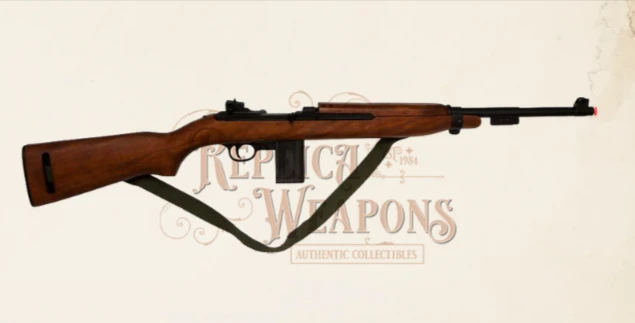

World War 2 Guns serve more purpose than their status as historical artefacts. Antique firearms serve as historical containers that display past events to interested observers. Veterans of history and firearms collecting look for World War II-era weapons especially.
The objects witnessed actual combat while moving across various areas and accumulated a spiritual significance that exceeds the substance of metal and wood. The acquisition of historical weapons requires knowledge about their identification and evaluation process, along with comprehensive preservation methods.
Understanding World War II Firearms
Gun manufacturing technology experienced swift progress during the time of the Second World War. Guns were produced in large numbers by nations during this time period at a rate never before seen in human history.
World War 2 has produced an extensive collection of collectable firearms that includes both primary battlefield weapons and secondary pistols alongside automatic weapons. People who collect World War 2 weapons value the American M1 Garand, German Karabiner 98k and British Lee-Enfield along with the Soviet Mosin-Nagant.
Two pistols that are very collectable today include the Luger P08 and the Colt M1911. Each weapon provides battlefield histories that reflect how its country designed its engineering designs. Select a precise subject for your collection whenever you begin gathering items. Your preferences can be based on either a single national origin or a specific weapon kind or the war area.
What Makes a Firearm an Antique?
The definition of antique firearms in Australia stems from their production date, which must precede 1901. The majority of collectors apply a versatile benchmark for their collections which balances historical importance with ammunition availability considerations.
The absence of functional or obsolete ammunition in a firearm leads to a higher likelihood that it will not need licensing under regulations. World War II firearms maintain a status of military collectability but fail to meet antique criteria under this definition. People should understand the laws that apply to World War 2 guns before making any purchase within their local area.
States throughout the nation require citizens to adhere to weapon safety and ownership requirements for deactivated firearms. Obtain authorisation from the local authority which governs weapons before you purchase or exhibit any weapon.
Buying Authentic Pieces
The increased demand for World War II memorabilia simultaneously leads to a higher number of fraudulent reproductions appearing in the market. True authenticity matters the most in this particular industry.
The evaluation process for firearms involves inspecting how they wear consistently while searching for manufacturer stamps and serial tags, as well as unit markings. Dealers and auction houses with good reputations frequently attach certificates that validate authenticity because these documents enhance the worth of their items.
Reference books, together with online databases, should always be your additional sources for evaluation. The comparison of stamps together with materials with recognised production specifications assists you in recognising authentic firearms while eliminating fake items.
Preserving Your Collection
Rust and decay can start forming on firearms because improper storage techniques injure their integrity. The main threat to your collection is water, as it leads to rust development and material destruction. A suitable place for storage is a dry room, which should have controlled temperature levels.
Regular maintenance of antique replica guns should be executed gently with proper equipment. Avoid abrasive tools. Utilise soft brushing tools in combination with cotton swabs along with oils that meet gun manufacturer specifications. Do not over-clean. Wear and tear on a firearm’s surface increases its value as well as its collectability.
A small application of museum-approved wax or oil is sufficient for wood gun stocks. Keep away from both varnishes and polyurethane coatings because they change the authentic appearance of the firearm.
Store the firearms securely. The correct storage methods remain essential for maintaining safety as well as legal compliance, regardless of whether firearms are deactivated. Display cabinets need locks to prevent access by children and should always be out of children's reach.
Conclusion
A special entry into the historical timeline is classified as World War 2 guns. Antique war guns unite technological elegance with their historical importance along with their ability to narrate stories. People who want to build a gun collection must first prioritise genuine items and lawfulness while maintaining proper preservation techniques.











Sign in to leave a comment.