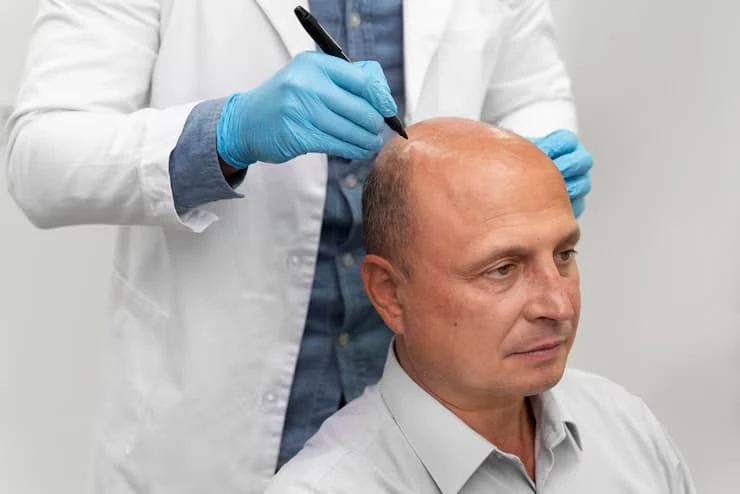

Alopecia, a term that encompasses various forms of hair loss, affects millions of individuals worldwide. In London, the awareness and demand for effective alopecia treatments have surged, as more people seek solutions tailored to their specific needs. This article delves into the intricacies of alopecia, exploring its types, causes, and a range of treatment options available in the vibrant metropolis of London. By understanding the complexities of alopecia, individuals can make informed decisions about their hair restoration journey.
Understanding Alopecia: Types and Causes
Alopecia is not merely a single condition but rather a broad spectrum of hair loss disorders. The most common type is Alopecia Areata, which manifests as sudden, patchy hair loss. This autoimmune condition occurs when the body’s immune system mistakenly attacks hair follicles, leading to hair shedding. Another prevalent form is Androgenetic Alopecia, commonly known as male or female pattern baldness, which is largely influenced by genetic predisposition and hormonal changes.
Understanding the causes of alopecia is essential for effective treatment. While genetic factors play a significant role, other elements such as stress, nutritional deficiencies, and underlying medical conditions can contribute to hair loss. For example, thyroid disorders and iron deficiency anemia are known to trigger or exacerbate alopecia symptoms. Moreover, environmental factors, including pollution and exposure to harsh chemicals, can also impact hair health. Individuals experiencing hair loss should consult healthcare professionals to identify these underlying issues, as addressing them can significantly enhance the effectiveness of any treatment pursued.
The Psychological Impact of Alopecia
The emotional toll of alopecia can be profound, often leading to feelings of insecurity, anxiety, and depression. The social stigma surrounding hair loss can further exacerbate these feelings, making it essential for individuals to seek not only physical treatments but also psychological support. In London, numerous support groups and counseling services are available to help individuals cope with the emotional challenges of alopecia. These platforms provide a safe space for sharing experiences and advice, fostering a sense of community among those affected.
Furthermore, the rise of social media has enabled individuals to connect with others facing similar challenges. Sharing personal stories and experiences can empower individuals to embrace their journey, whether they choose to pursue treatment or adopt a more accepting attitude towards their condition. The psychological aspect of alopecia should never be overlooked, as mental well-being is an integral part of the overall healing process.
Treatment Options for Alopecia in London
When it comes to alopecia treatment in London, the options are diverse and tailored to meet the unique needs of each individual. The choice of treatment often depends on the type and severity of alopecia, as well as the patient's personal preferences. Some of the most common approaches include:
Medical Treatments
- Topical Corticosteroids: These anti-inflammatory medications are often prescribed to reduce inflammation and stimulate hair regrowth in cases of alopecia areata. Regular application can lead to mild to moderate improvement in hair density.
- Minoxidil: An over-the-counter topical solution, minoxidil is widely used for androgenetic alopecia. It works by increasing blood flow to hair follicles and prolonging the hair growth phase. While results can vary, many users report noticeable improvements after consistent use.
- Oral Medications: For more severe cases, healthcare professionals may prescribe oral medications such as finasteride, which blocks the hormone responsible for hair loss. This treatment is primarily effective for men experiencing androgenetic alopecia.
Advanced Therapies
- Platelet-Rich Plasma (PRP) Therapy: This innovative treatment involves drawing a small amount of the patient’s blood, processing it to concentrate the platelets, and injecting the rich plasma into the scalp. PRP contains growth factors that promote hair follicle health and stimulate hair growth.
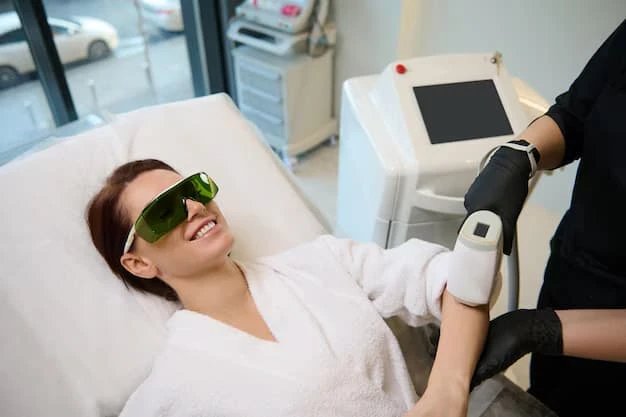
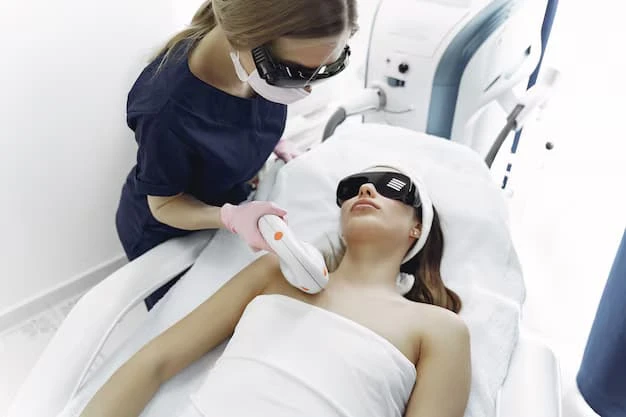
- Low-Level Laser Therapy (LLLT): This non-invasive treatment employs laser light to stimulate hair follicles, encouraging growth and improving hair density. LLLT has gained popularity in clinics across London due to its effectiveness and minimal side effects.
Surgical Options
For individuals with substantial hair loss, hair transplant surgery may be considered. This procedure involves relocating hair follicles from areas of the scalp with healthy hair to bald or thinning areas. Techniques such as Follicular Unit Extraction (FUE) and Follicular Unit Transplantation (FUT) are commonly utilized, with FUE becoming increasingly popular due to its minimally invasive nature and quicker recovery times.
Alternative Treatments
In addition to conventional medical treatments, some individuals seek alternative therapies, such as herbal remedies or acupuncture. While scientific evidence supporting these methods may be limited, many patients report positive outcomes and enhanced overall well-being when incorporating these practices into their treatment plans.
Choosing the Right Clinic for Alopecia Treatment in London
Selecting the right clinic for alopecia treatment is critical to achieving the desired results. London boasts numerous specialized clinics that offer cutting-edge treatments and personalized care. When evaluating potential clinics, it is essential to consider factors such as the qualifications and experience of the medical professionals, the range of treatments offered, and patient testimonials.
Moreover, many clinics provide consultations, allowing individuals to discuss their specific needs and preferences before committing to a treatment plan. During these consultations, patients should feel empowered to ask questions about the procedures, potential side effects, and expected outcomes. A reputable clinic will prioritize transparency and ensure that patients are well-informed before making decisions regarding their treatment.
The Importance of Aftercare
Alopecia treatment does not end with the procedure itself; aftercare plays a pivotal role in the overall success of the treatment. Clinics in London typically provide detailed aftercare instructions, including guidance on scalp care, recommended products, and follow-up appointments. Adhering to these guidelines can significantly enhance the effectiveness of the treatment and promote healthy hair growth.
Conclusion
In conclusion, navigating the world of alopecia treatment in London requires understanding the complexities of the condition, exploring various treatment options, and seeking professional guidance. With a range of medical, advanced, and surgical treatments available, individuals can find tailored solutions to meet their unique needs. The psychological impact of alopecia should not be overlooked, and support systems can play a crucial role in the healing journey.
For those seeking expert advice and innovative treatments for alopecia, the Este Medical Group stands out as a trusted provider. Their team of dedicated professionals is committed to helping individuals regain their confidence through effective alopecia treatments. If you're ready to take the first step towards restoring your hair and self-esteem, reach out to the Este Medical Group today and discover how they can assist you on your journey to recovery.











Sign in to leave a comment.