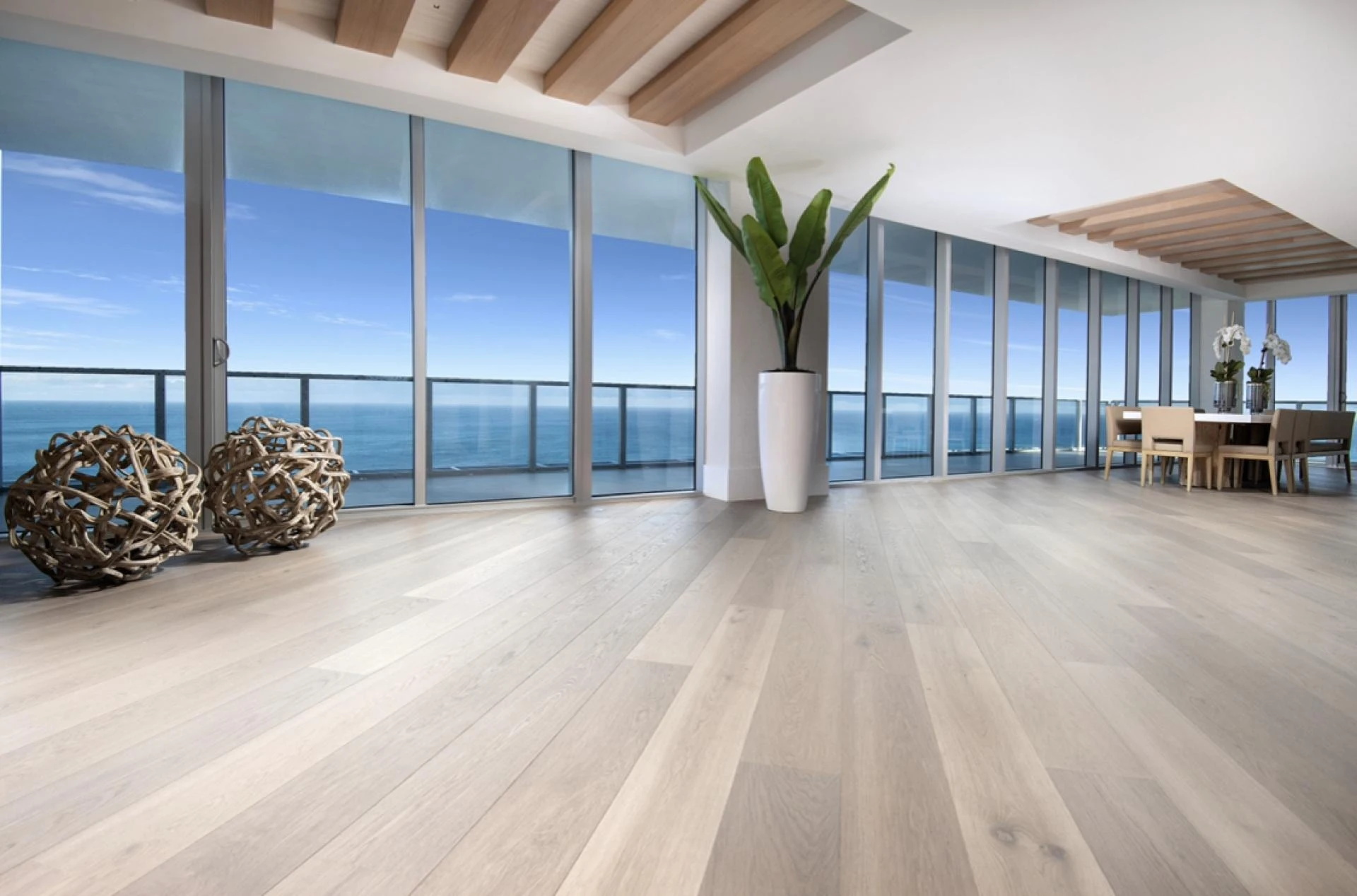

Engineered hardwood floors are one of the most popular and stylish types of flooring that can be found in today’s homes and are known to last a very long time. It is quite possible to repair engineered hardwood floors without having to fully replace them and this can be done regardless of the extent of the damage that has been done, whether it is small dents and scratches or more severe problems. Read on to know how to get the best results for your floor after the repair.
![A Comprehensive Guide to the Topic of Engineered Hardwood Floor Repair]() 1. Recognizing Typical Damage Types
1. Recognizing Typical Damage Types
Engineered hardwood floors may have a number of problems, such as:
- Scratches on surfaces: Usually brought on by furniture, animals, or heavy foot traffic.
- Gouges and dents: Caused by dropping heavy objects on the ground.
- Water damage: Occurs as a result of excessive moisture exposure or when spills are not cleaned up very away.
- Lifting or separation: Resulting from incorrect installation or varying humidity.
2. Repairing Scratches on the Surface
Simple methods can frequently be used to heal minor scratches:
- Make use of a hardwood floor touch-up kit that complements the color of your floor. Usually, these packages come with markers or wax crayons for combining scratches.
- Apply a thin layer of floor polish or a scratch concealer for additional protection and shine.
- For extra protection and luster, lightly coat the floor with floor polish or a scratch concealer.
3. Fixing Gouges and Dents
More complex repairs might be required for deeper dents or gouges:
- Apply wood putty or filler to the damaged area, making sure the color matches the rest of your floor.
- After the filler has dry, use fine-grit sandpaper to smooth the surface.
- To make the repaired area mix in with the surrounding floor, reapply a finish.
4. Dealing with Water Damage
- To stop additional harm, completely dry the impacted area.
- Sanding and refinishing the floor can repair mild swelling, but in more severe situations, you could have to replace individual planks. The click-and-lock installation method of engineered hardwood makes replacing damaged boards very simple.
5. Preventing Future Damage
To minimize the need for repairs:
- Place rugs in high-traffic areas to protect your floors from wear.
- Clean spills promptly and avoid excessive water during cleaning.
- Maintain proper humidity levels to prevent warping or lifting.
Repairing engineered hardwood floors is often easier than you might think, thanks to the material’s design and resilience. From surface scratches to more severe damage, there are effective solutions to restore your floors to their original beauty. By addressing issues promptly and taking preventative measures, you can extend the life of your engineered hardwood floors and maintain their timeless appeal.











Sign in to leave a comment.