
Introduction
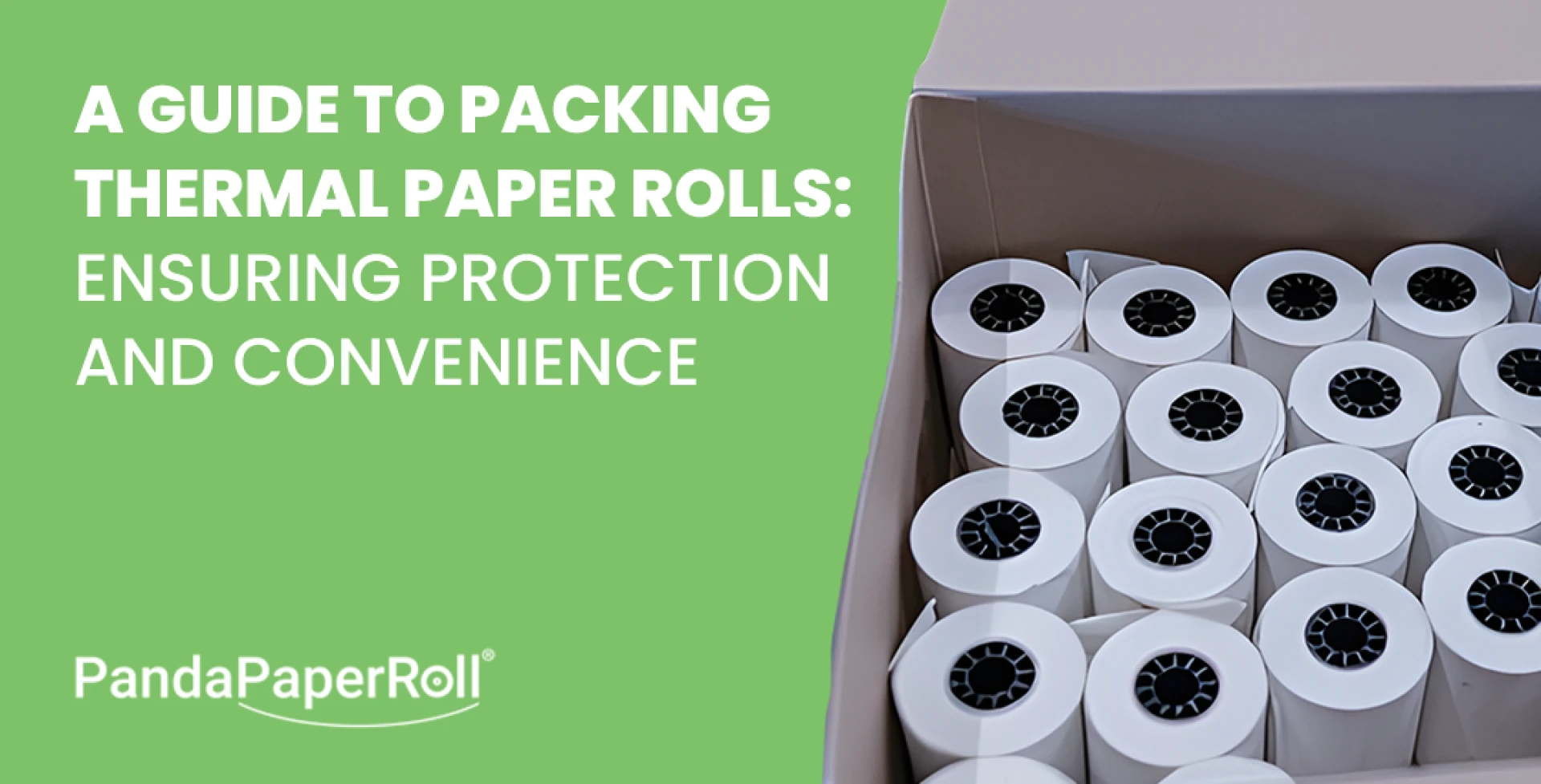
Packing thermal paper rolls properly is crucial to maintain their quality and protect them from damage during transportation and storage. Whether you are a retailer, distributor, or end-user, understanding the correct packing methods can help ensure the integrity of thermal paper rolls and optimize their performance.
In this blog, we will provide you with a comprehensive guide on how to pack thermal paper rolls effectively.
1. Choose Appropriate Packaging Materials:
To begin with, select suitable packaging materials that offer adequate protection to the thermal paper rolls. Here are some essential materials to consider:
Sturdy Boxes: Use strong and durable cardboard boxes that can withstand the weight and provide cushioning for the rolls. Ensure that the boxes are appropriate to accommodate the rolls without excessive movement. Inner Packaging: Line the boxes inside with cushioning materials such as bubble wrap, packing peanuts, or kraft paper. This helps create a protective barrier against impact and prevents the rolls from shifting during transit. Sealing Tape: Use high-quality sealing tape to secure the boxes and prevent them from opening during handling and transportation. Reinforce the seams and edges of the boxes to enhance their strength.2. Organize and Stack the Thermal Paper Rolls:
Proper organization and stacking of the thermal paper rolls inside the packaging can minimize the risk of damage. Follow these guidelines:
Group by Size: Sort the rolls based on their sizes before packing. This allows for more efficient space utilization and prevents smaller rolls from being crushed by larger ones. Align the Cores: Ensure that the cores of the rolls are aligned and facing the same direction. This helps maintain stability and prevents the rolls from unraveling or getting misshapen during transit. Stack Horizontally: Place the rolls horizontally inside the packaging rather than vertically. This reduces pressure on the rolls and prevents them from collapsing or deforming under their weight. Fill Empty Spaces: Fill any gaps or voids between the rolls with additional cushioning materials, such as bubble wrap or kraft paper, to minimize movement and absorb shock during handling.3. Labeling and Documentation:
Clear labeling and proper documentation are essential for efficient inventory management and ease of identification. Consider the following:
Labeling: Attach thermal labels outside the packaging indicating the contents, roll size, quantity, and any specific handling instructions. This allows for easy identification and retrieval when needed. Barcodes or QR Codes: Utilize barcodes or QR codes on the labels to facilitate tracking and inventory management systems. This can streamline the process of locating specific rolls and ensuring accurate stock management. Documentation: Maintain detailed records of the thermal paper rolls, including batch numbers, manufacturing dates, and any other relevant information. This documentation aids in quality control and enables traceability if issues arise.4. Storage Considerations:
Proper storage practices are crucial for maintaining the quality of thermal paper rolls. Follow these guidelines:
Temperature and Humidity: Store the rolls in a cool, dry environment away from direct sunlight and heat sources. Extremes in temperature or humidity can affect the sensitivity and performance of the thermal coating. Vertical Storage: When storing the rolls, position them vertically to minimize stress on the cores and prevent them from sagging or warping over time. Rotation: Implement a first-in, first-out (FIFO) system to ensure that older rolls are used before newer ones. This helps prevent inventory obsolescence and maintains the freshness of the thermal paper. Protection from Elements: If storing the rolls for an extended period or in challenging environments, consider using additional protective measures such as moisture-absorbing packets or moisture-barrier bags to safeguard the rolls from moisture or dust.Conclusion:
Proper packing of thermal paper rolls is essential to preserve their quality, protect them from damage, and ensure convenient handling and storage. By following the guidelines provided in this blog, businesses can optimize the protection and performance of thermal paper rolls, whether they are shipping them to customers or storing them for future use. Effective packaging practices contribute to customer satisfaction, reduced product waste, and a seamless printing experience.











Sign in to leave a comment.