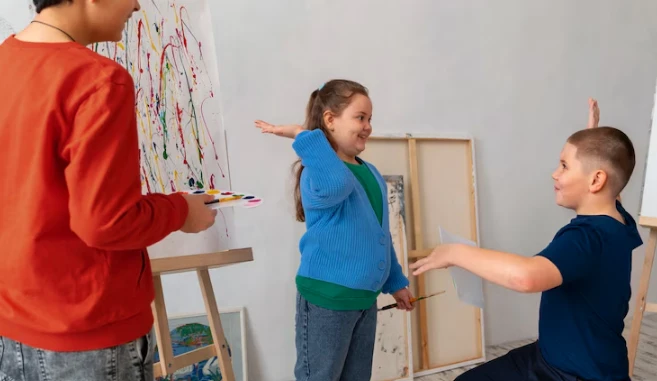

As parents, it's normal to want your child to grow up healthy, confident, and capable of handling everyday challenges. However, some children face specific difficulties that can affect their development, making it hard to achieve milestones at the same pace as their peers. When this happens, it might be time to consider occupational therapy for children. This approach, especially pediatric occupational therapy, can play a crucial role in helping children improve their functional abilities, boosting their confidence, and allowing them to participate more fully in daily activities.
What is Occupational Therapy?
Occupational therapy (OT) is a healthcare profession that focuses on helping individuals develop or regain the skills necessary to perform daily activities, also known as “occupations.” For children, this typically means developing the abilities to engage in everyday tasks like playing, learning, dressing, eating, and interacting with others. Pediatric occupational therapy is specifically tailored to address the needs of children, helping them overcome challenges in areas such as motor skills, sensory processing, social interaction, and more.
The goal of pediatric occupational therapy is not only to address any developmental delays or challenges your child may be facing but also to enhance their natural abilities. Whether a child is struggling with fine motor skills like handwriting or experiencing sensory sensitivities that affect their daily life, occupational therapy for children provides strategies and tools to help them succeed independently.
When Should You Consult an Occupational Therapist for Your Child?
As a parent, it can be difficult to know when to seek the help of an occupational therapist. Here are some signs that may indicate your child could benefit from pediatric occupational therapy:
Motor Challenges
If your child has difficulty with either fine or global motor movements, it may be time to consider occupational therapy. Fine motor skills include actions like handwriting, using utensils, or buttoning clothes, while global motor skills refer to larger movements like running, jumping, or climbing. If your child is struggling with coordination, balance, or strength, occupational therapy can help improve these abilities through fun and engaging activities that are tailored to their needs.
Attention and Focus Problems
Does your child have trouble concentrating or following instructions? Attention difficulties can sometimes affect a child’s ability to complete tasks, participate in school activities, or interact with peers. Pediatric occupational therapy often includes strategies for improving attention span, focus, and the ability to stay engaged during daily activities. By addressing sensory or cognitive challenges that impact attention, occupational therapy can help children better manage their environment and develop effective coping strategies.
Daily Autonomy
Children naturally develop the ability to perform self-care tasks like dressing, eating, and bathing. However, some children may have difficulty with these everyday tasks. Whether it’s trouble putting on shoes, feeding themselves, or managing personal hygiene, occupational therapy for children can help foster independence and improve functional skills. Through hands-on guidance, children can learn new strategies to gain confidence in managing these activities.
Social Interaction
Social skills play a crucial role in a child’s development, influencing their ability to interact with peers, engage in play, and share with others. If your child struggles with social cues or has difficulty making friends, pediatric occupational therapy can help by teaching social skills in a supportive environment. Therapists use interactive activities and role-playing to improve communication, cooperation, and empathy, which can help children build stronger relationships with others.
Sensory Disorders
Many children have sensory processing issues that affect how they react to touch, sound, or light. Some children may be hypersensitive, meaning they react negatively to certain textures, sounds, or smells. Others may be under-sensitive and seek more intense sensory experiences. Whether a child becomes easily overwhelmed or seeks excessive stimulation, occupational therapy for children can help by providing strategies to manage sensory inputs and adapt their environment for better sensory integration.
The Role of Pediatric Occupational Therapy in Montreal
In Montreal, occupational therapists are trained to support children in various settings, including at home, in schools, and even in specialized sensory gyms. Pediatric occupational therapy in Montreal often involves personalized assessments that help therapists understand each child’s unique needs and challenges. By using a holistic approach, therapists can create customized strategies that address not only physical or motor challenges but also emotional, psychological, and social factors that may impact the child’s development.
Therapists work closely with children to develop skills at their own pace. For instance, activities designed to improve fine motor skills might include playing with beads or puzzles, while activities to improve gross motor skills might involve jumping, running, or throwing balls. These activities not only help children enhance their physical abilities but also build confidence and promote a sense of achievement.
Why Choose Pediatric Occupational Therapy?
The benefits of pediatric occupational therapy are numerous. Children who receive therapy can develop critical skills that impact their academic success, self-esteem, and ability to participate fully in everyday life. Occupational therapy promotes independence, allowing children to complete tasks on their own, whether it's getting dressed in the morning, using the toilet, or finishing homework. Through structured play and focused exercises, occupational therapists can empower children to overcome challenges while fostering self-confidence and resilience.
Conclusion
Whether your child faces motor challenges, sensory disorders, attention problems, or difficulties with social interaction, occupational therapy for children offers valuable tools and strategies to support their development. By consulting with a pediatric occupational therapist in Montreal, you can help your child build the skills they need to thrive in everyday life. Pediatric occupational therapy is a collaborative approach that focuses on your child’s strengths, needs, and goals, helping them grow into confident, independent individuals.
If you are concerned about your child's development, don't hesitate to reach out to a professional. Occupational therapy can make a meaningful difference in your child's life, promoting independence and improving their overall well-being.












Sign in to leave a comment.