In the fast-paced world of healthcare, rapid and accurate diagnostics are critical for effective patient management. Traditional laboratory testing, while reliable, often involves delays due to sample transport, processing, and result interpretation. Enter the Abbott i-STAT 1, a handheld blood testing device that is revolutionizing point-of-care (POC) diagnostics by providing real-time results in a portable and user-friendly format. This innovative technology is transforming emergency rooms, critical care units, and remote healthcare settings by allowing clinicians to make faster, data-driven decisions.
What is the Abbott i-STAT 1?
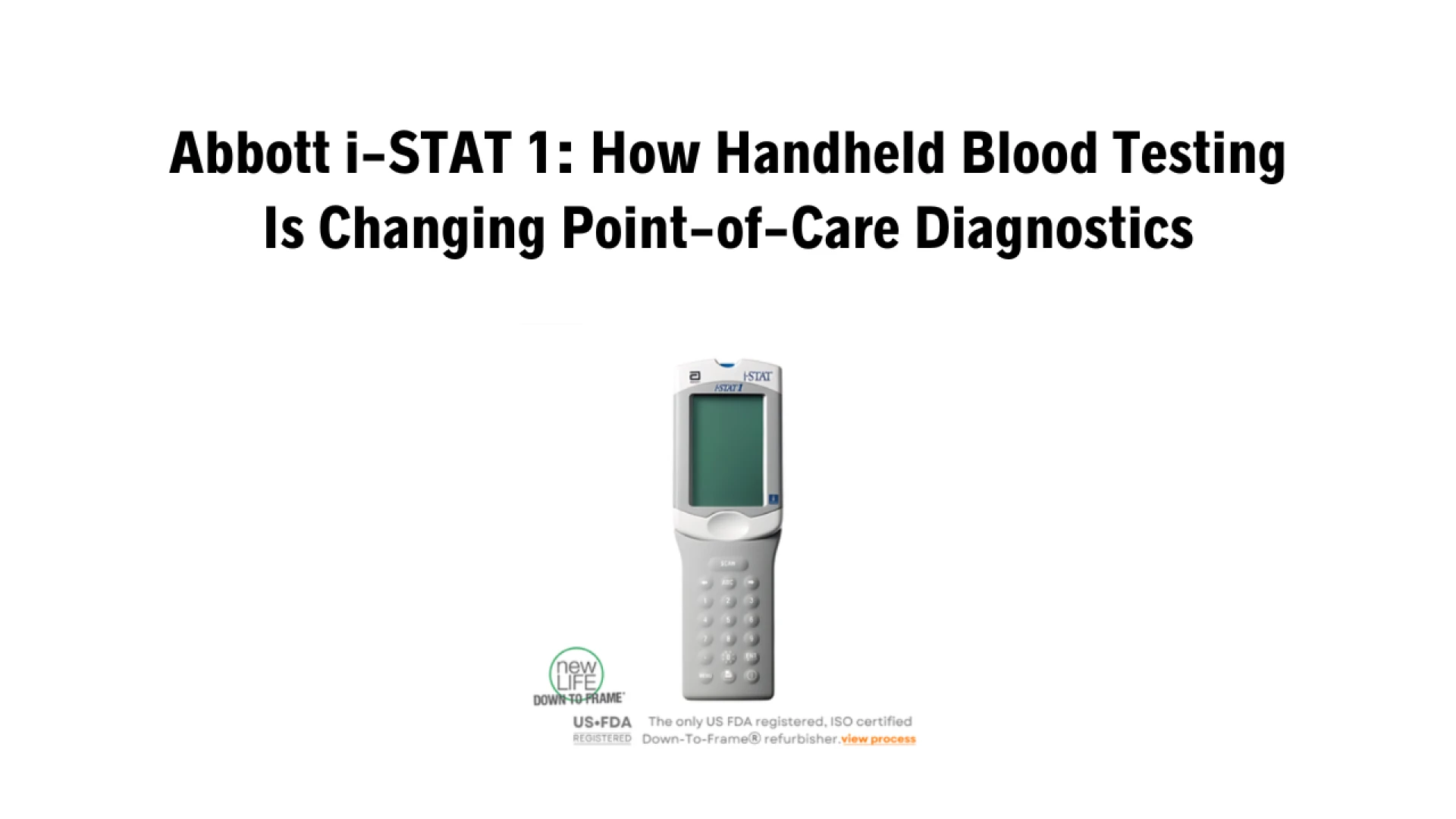
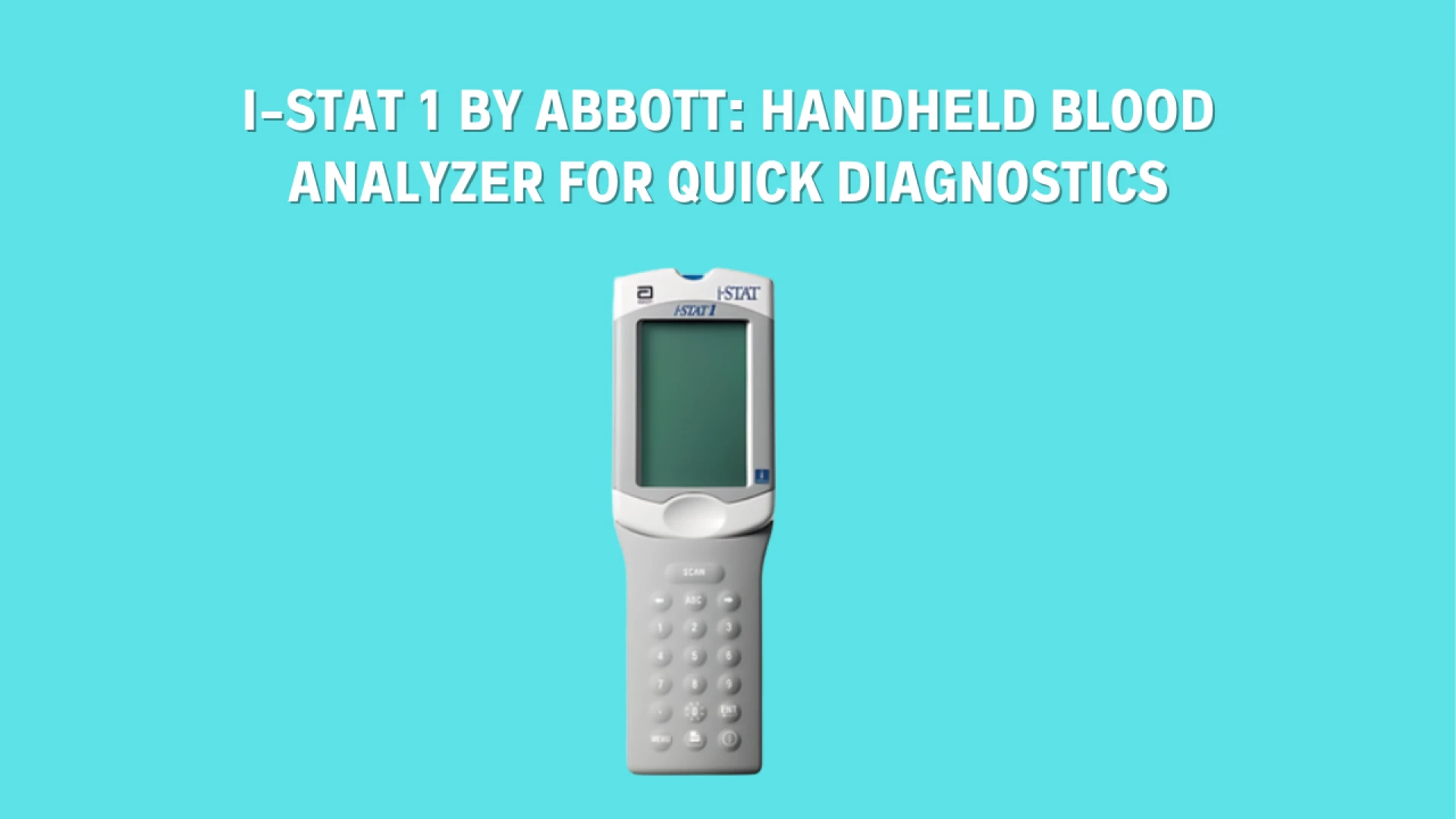
The Abbott i-STAT1 is a portable, handheld blood analyzer designed to deliver laboratory-quality diagnostic results at the bedside. Developed by Abbott, this device enables healthcare professionals to quickly measure a wide range of blood parameters, including:
- Blood gases (pH, pCO₂, pO₂, etc.)
- Electrolytes (sodium, potassium, chloride, etc.)
- Chemistry markers (glucose, lactate, creatinine, etc.)
- Hematology (hemoglobin, hematocrit, etc.)
- Cardiac markers (troponin I, BNP, etc.)
Unlike traditional lab-based blood tests, which require multiple steps and specialized equipment, the i-STAT 1 simplifies the process by using single-use cartridges that contain all the necessary reagents and sensors. A small blood sample (as little as a few drops) is placed into a cartridge, which is then inserted into the device. Within minutes, results are displayed on the screen and can be transmitted to electronic health records (EHR) for seamless integration.
The Advantages of Handheld Blood Testing
The adoption of handheld blood analyzers like the i-STAT 1 is growing rapidly due to their numerous advantages:
1. Speed and Efficiency
With results available in just 2 to 10 minutes, the i-STAT 1 allows clinicians to make quick, informed decisions about patient care. This is especially critical in emergency and critical care settings, where time-sensitive conditions such as sepsis, cardiac arrest, and electrolyte imbalances require immediate action.
2. Portability and Accessibility
Unlike traditional lab-based testing, which requires expensive and bulky equipment, the i-STAT 1 is lightweight and can be used anywhere—whether in an ambulance, at a rural clinic, or in a battlefield medical unit. This portability makes it invaluable in resource-limited settings where access to full laboratory services is unavailable.
3. Accuracy and Reliability
Despite its small size, the i-STAT 1 delivers lab-quality results comparable to traditional methods. The device undergoes rigorous calibration and quality control checks, ensuring high accuracy and reliability for diagnostic decision-making.
4. Reduced Workload for Laboratory Staff
By enabling immediate bedside testing, the i-STAT 1 reduces the burden on central laboratory staff, freeing them up to focus on more complex analyses. This also minimizes sample transport errors and the risks associated with delayed results.
5. Cost-Effectiveness
While the initial investment in POC analyzers may seem high, the long-term benefits—such as faster treatment initiation, reduced hospital stays, and improved patient outcomes—can significantly lower overall healthcare costs.
Applications of the i-STAT 1 in Healthcare
The i-STAT 1 is widely used across different healthcare environments, proving its versatility and impact in the following areas:
Emergency and Critical Care
In ERs and ICUs, rapid diagnostics are essential for treating acute conditions such as heart attacks, strokes, and respiratory failure. The i-STAT 1 enables faster triage, diagnosis, and treatment, leading to better patient survival rates.
Pre-Hospital and Ambulance Services
Paramedics and first responders use the i-STAT 1 to perform on-the-spot testing in ambulances and disaster zones, ensuring that life-saving treatments begin even before reaching the hospital.
Rural and Remote Healthcare
For clinics in remote locations or developing countries with limited laboratory facilities, the i-STAT 1 provides accessible, high-quality diagnostics, reducing the need for patients to travel long distances for basic blood tests.
Military and Disaster Relief Operations
The military and humanitarian organizations rely on portable blood analyzers like the i-STAT 1 to provide rapid diagnostics in war zones, natural disasters, and refugee camps, where traditional lab infrastructure is unavailable.
Challenges and Considerations
Despite its many advantages, handheld blood testing is not without challenges:
- Higher Cost of Consumables – The single-use test cartridges can be expensive, increasing operational costs over time.
- Limited Test Menu – While the i-STAT 1 covers many essential blood tests, it does not replace comprehensive laboratory analysis for more complex diagnostics.
- Training Requirements – Proper training is required to ensure healthcare professionals use the device correctly and interpret results accurately.
Conclusion: The Future of Point-of-Care Diagnostics
The Abbott i-STAT 1 is transforming point-of-care diagnostics by delivering rapid, accurate, and portable blood testing. Its ability to provide real-time results in a variety of clinical settings—ranging from hospitals to ambulances to remote villages—is improving patient care, reducing hospital burdens, and enhancing emergency response.
As technology continues to evolve, we can expect even more advanced POC testing devices with expanded test menus, improved connectivity, and AI-driven result interpretation. In the near future, handheld blood analyzers may become a standard tool for all healthcare providers, ensuring that critical diagnostic information is always within reach—whenever and wherever it is needed most.












Sign in to leave a comment.