
If your AC unit is buzzing intermittently, it can be a sign of various underlying issues affecting its performance. This article explores the possible causes of an AC unit buzzing every few minutes and provides practical solutions to resolve the issue effectively.
Understanding the Buzzing Sound
Overview
An AC unit buzzing noise can indicate electrical problems, component malfunctions, or issues with the system's operation. Identifying the source of the buzzing is crucial for determining the appropriate course of action.
Importance of Prompt Attention
Ignoring a buzzing AC unit can lead to further damage and potentially costly repairs. Addressing the issue promptly helps maintain the efficiency and longevity of your HVAC system.
Common Causes of AC Unit Buzzing Every Few Minutes
1. Electrical Issues
Faulty wiring, loose connections, or electrical components nearing the end of their lifespan can cause buzzing noises in the AC unit. Electrical problems require immediate attention to prevent safety hazards or system failure.
2. Loose or Faulty Components
Loose fan blades, worn-out bearings, or malfunctioning motor parts can create buzzing sounds when the AC unit operates. Regular maintenance helps identify and address these mechanical issues early on.
3. Refrigerant Problems
Low refrigerant levels or leaks in the AC system can cause the compressor to work harder, leading to buzzing noises. Proper diagnosis and repair by a qualified technician are essential to restore optimal refrigerant levels and system performance.
4. Condenser Coil Issues
Dirty or blocked condenser coils can restrict airflow and cause the AC unit to vibrate or buzz during operation. Regular cleaning and maintenance of the condenser coils can prevent such issues.
5. Thermostat Malfunction
A malfunctioning thermostat may cause the AC unit to cycle on and off frequently, resulting in buzzing noises. Calibrating or replacing the thermostat can resolve this issue and improve system efficiency.
Solutions to Address AC Unit Buzzing
Step 1: Turn Off the AC Unit
If you notice your AC unit buzzing every few minutes, turn off the system immediately to prevent further damage. Allow the unit to rest and cool down before inspecting or performing any repairs.
Step 2: Check Electrical Connections
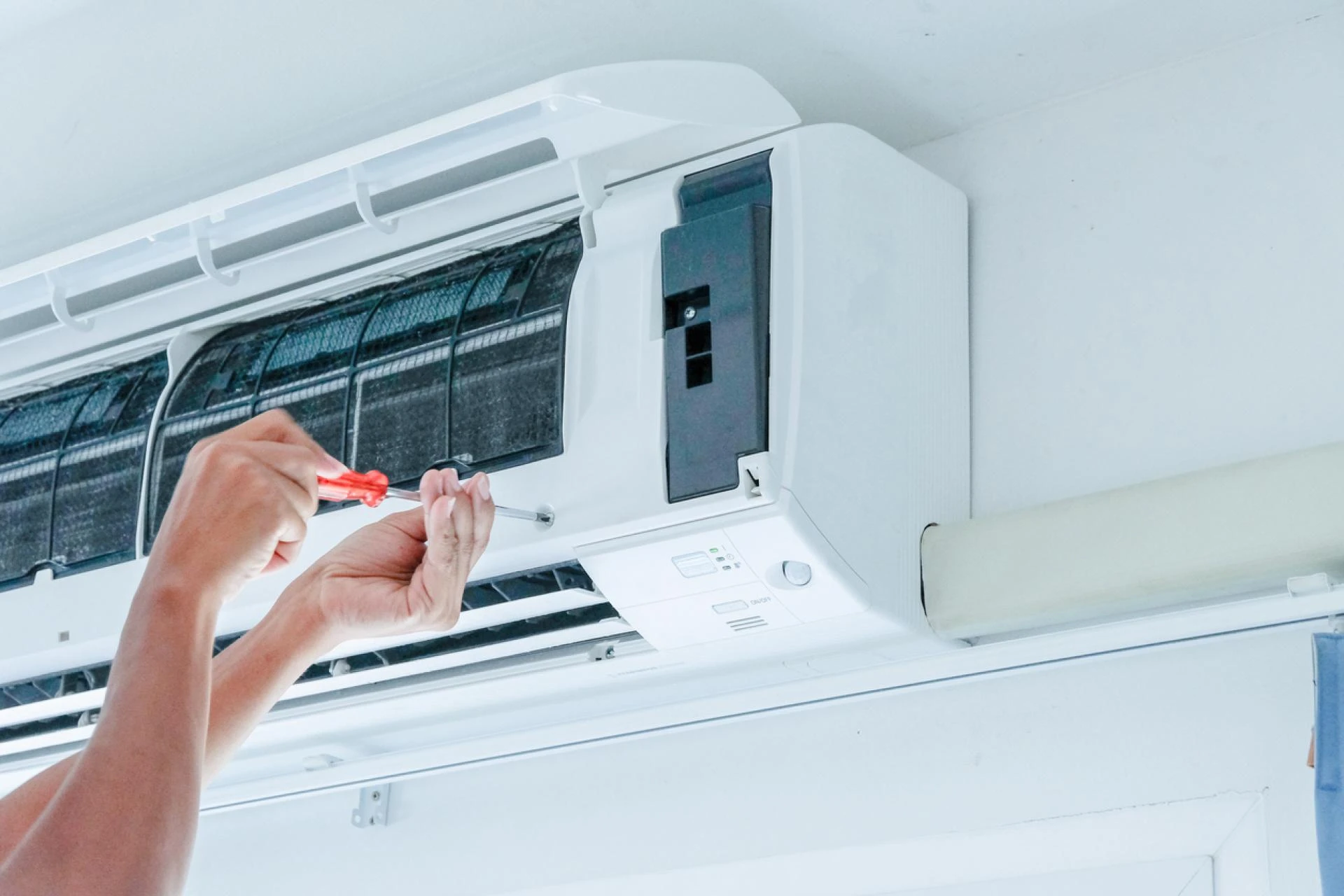
Inspect the AC unit's electrical connections, including the circuit breaker and wiring, for signs of damage or loose connections. Tighten connections or replace damaged wiring as needed to eliminate buzzing caused by electrical issues.
Step 3: Inspect and Tighten Components
Check fan blades, motor mounts, and other components for looseness or wear. Tighten or replace any loose or worn-out parts to reduce vibrations and eliminate buzzing noises.
Step 4: Clean or Replace Air Filters
Dirty or clogged air filters can restrict airflow and cause the AC unit to work harder, leading to buzzing sounds. Replace air filters regularly to ensure proper airflow and improve system efficiency.
Step 5: Schedule Professional Maintenance
Schedule regular maintenance with a qualified HVAC technician to inspect and service your AC unit. Professional maintenance helps detect and address potential issues before they escalate, ensuring optimal performance and minimizing noise.
Preventive Maintenance Tips
Tip 1: Clean Condenser Coils Regularly
Clean the condenser coils at least once a year to remove dirt, debris, and buildup that can hinder airflow and cause buzzing noises.
Tip 2: Monitor Refrigerant Levels
Monitor refrigerant levels and address any leaks promptly to prevent the AC unit from overworking and producing buzzing sounds.
Tip 3: Replace Aging Components
Replace worn-out or aging components, such as fan blades or motors, to prevent mechanical issues that can lead to buzzing noises.
Conclusion
An AC unit buzzing every few minutes is a symptom of potential issues that require timely attention and professional diagnosis. By understanding the common causes and implementing the solutions and preventive maintenance tips outlined in this article, you can effectively resolve buzzing noises and ensure the efficient operation of your HVAC system. For complex issues or if you're unsure about performing repairs, always consult with a qualified HVAC technician for expert assistance and peace of mind.













Sign in to leave a comment.