
In the quest for flawless skin, many individuals are turning to innovative treatments that promise rejuvenation and revitalization. One such treatment gaining significant popularity in the beauty and skincare industry is the . This non-invasive procedure offers a multitude of benefits, from reducing fine lines and wrinkles to addressing hyperpigmentation and acne scars. With an increasing number of clinics offering chemical peels in Leeds, understanding how they work, their various types, and their potential benefits is essential for anyone seeking to enhance their skin's appearance.
Understanding Chemical Peels
Chemical peels involve the application of a solution containing acids to the skin's surface, inducing controlled exfoliation and peeling. The depth of the peel can vary based on the type of solution used, ranging from superficial to deep peels. The primary goal of a chemical peel is to eliminate damaged outer layers of skin, promoting the growth of new, healthier skin beneath.
The procedure can be customized to address specific skin concerns and can be performed on various body areas, including the face, neck, and hands. As the skin heals post-peel, individuals often experience improved texture, tone, and overall appearance, leading to a more youthful and radiant complexion.
The Different Types of Chemical Peels
1. Superficial Peels
Superficial peels are the mildest form of chemical peel, typically using alpha hydroxy acids (AHAs) or beta hydroxy acids (BHAs). These peels target the outermost layer of skin (epidermis) and are ideal for individuals looking to address minor skin imperfections, such as dryness, dullness, and rough texture.
Superficial peels are often recommended for first-time users or those with sensitive skin, as they require minimal downtime. Patients may experience mild redness and peeling for a few days, but the results can be noticeable almost immediately, with a brighter and more even complexion.
2. Medium Peels
Medium peels penetrate deeper into the skin, utilizing trichloroacetic acid (TCA) or glycolic acid. This type of peel is more effective for treating moderate skin concerns, including age spots, fine lines, and moderate acne scars.
Medium peels typically involve some downtime, with patients experiencing redness, swelling, and peeling for several days following the procedure. However, the results tend to be more dramatic than those of superficial peels, and many individuals report significant improvements in skin texture and tone.
3. Deep Peels
Deep peels are the most intensive option and are performed using phenol or a stronger concentration of TCA. These peels penetrate the deeper layers of the skin, making them suitable for individuals with severe skin damage, deep wrinkles, or significant scarring.
Due to their intensity, deep peels require careful consideration and are best suited for individuals with specific skin concerns who are prepared for a longer recovery period. Patients may experience significant swelling, redness, and peeling for several weeks, but the long-lasting results can include a dramatically improved appearance and a youthful glow.
The Benefits of Chemical Peels
1. Improved Skin Texture and Tone
One of the most significant benefits of chemical peels is their ability to improve skin texture and tone. By removing the outer layer of dead skin cells, chemical peels reveal smoother, healthier skin underneath. This process can reduce the appearance of rough patches, uneven skin tone, and blemishes, leading to a more radiant complexion.
2. Reduction of Fine Lines and Wrinkles
As individuals age, the skin naturally loses collagen and elasticity, resulting in the formation of fine lines and wrinkles. Chemical peels stimulate collagen production, encouraging the skin to become firmer and more youthful in appearance. Many patients notice a reduction in the visibility of fine lines and wrinkles shortly after their treatment.
3. Treatment of Acne and Scarring
For those struggling with acne, chemical peels can be an effective treatment option. Superficial and medium peels help unclog pores, reduce excess oil production, and prevent future breakouts. Additionally, chemical peels can improve the appearance of post-acne scars, allowing individuals to achieve a clearer and smoother complexion.
4. Fading Hyperpigmentation
Hyperpigmentation, such as sunspots and melasma, can be a source of frustration for many individuals. Chemical peels work by promoting cell turnover and exfoliating discolored skin, leading to a more even skin tone. Over time, patients often experience a reduction in the visibility of dark spots and an overall brighter complexion.
5. Enhanced Absorption of Skincare Products
After undergoing a chemical peel, the skin is more receptive to skincare products. With the outer layer of dead skin removed, active ingredients in serums and moisturizers can penetrate deeper into the skin, maximizing their effectiveness. Patients often find that their home skincare routines yield better results following a chemical peel.
The Chemical Peel Procedure
1. Consultation
Before undergoing a chemical peel, individuals should schedule a consultation with a qualified practitioner. During this appointment, the practitioner will assess the patient's skin type, discuss specific concerns, and recommend the most suitable type of peel based on individual needs.
2. Preparation
On the day of the procedure, the practitioner will cleanse the skin and may apply a topical anesthetic to minimize discomfort. Depending on the type of peel, the practitioner may also provide pre-treatment instructions, such as avoiding certain skincare products or sun exposure.
3. Application of the Peel
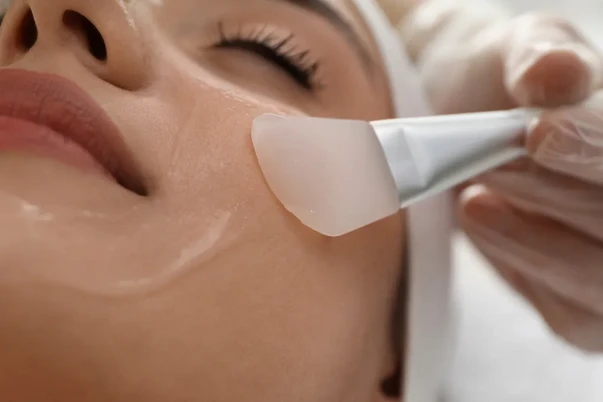
The chemical solution is then carefully applied to the skin using a brush or applicator. Patients may experience a tingling or burning sensation during the application, which typically subsides quickly. The duration of the peel varies depending on the type being performed, ranging from a few minutes to over an hour.
4. Post-Peel Care
After the peel is complete, the practitioner will provide post-treatment instructions, which may include recommendations for skincare products and sun protection. It is essential for patients to follow these guidelines to ensure optimal healing and results.
Recovery and Aftercare
Recovery time varies based on the type of chemical peel performed. Superficial peels often require minimal downtime, with patients able to return to their normal activities shortly after treatment. Medium and deep peels, however, may involve a longer recovery period, with peeling and redness lasting several days to weeks.
During the recovery phase, patients should:
- Avoid sun exposure and wear sunscreen to protect the healing skin.
- Refrain from using harsh skincare products, such as exfoliants or retinoids.
- Keep the skin moisturized with gentle, hydrating products.
- Follow any specific aftercare instructions provided by the practitioner.
Choosing the Right Clinic for Chemical Peels in Leeds
Selecting the right clinic for a chemical peel Leeds is essential to ensure a safe and effective treatment experience. Individuals should consider the following factors when choosing a clinic:
- Qualifications of Practitioners: Ensure that the clinic is staffed by qualified and experienced professionals who specialize in cosmetic dermatology and chemical peels.
- Treatment Options: Look for clinics that offer a range of chemical peel options tailored to individual skin types and concerns. A comprehensive approach ensures that patients receive the most appropriate treatment for their needs.
- Patient Reviews: Researching patient testimonials and reviews can provide valuable insight into the clinic’s reputation and the quality of care provided.
- Consultation Process: A thorough consultation is vital for understanding the procedure and its potential outcomes. A reputable clinic should conduct a detailed assessment and discuss treatment goals openly.
Conclusion
Chemical peels offer a powerful solution for achieving flawless skin, addressing a variety of skin concerns, including fine lines, hyperpigmentation, and acne. With numerous options available in chemical peel Leeds, individuals can find tailored treatments to enhance their skin’s appearance and overall health. By understanding the benefits and processes involved, patients can make informed decisions about their skincare journey.
If you are ready to explore the transformative effects of chemical peels and achieve the radiant skin you desire, reach out to Este Medical Group Leeds. Discover how personalized treatments can help you unlock your skin's potential—contact Este Medical Group Leeds today to schedule your consultation and take the first step toward a more confident you!











Sign in to leave a comment.