
Introduction
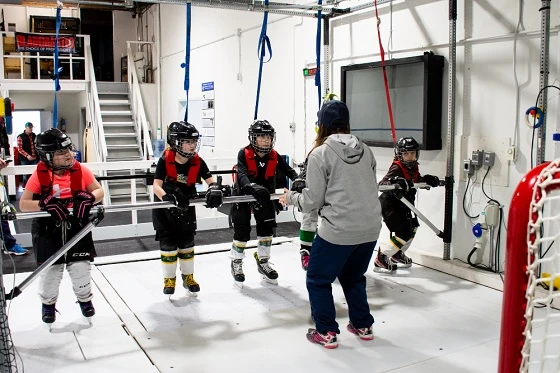
Hockey is a sport that demands a combination of physical endurance, mental toughness, and refined technical skills. Every playerwhether a beginner or professional understands that performance on the ice depends not only on natural talent but also on consistent, targeted training. Programs like Prostride Hockey Training provide athletes with an opportunity to sharpen their abilities through structured techniques that mirror the demands of real game situations.
Training programs that emphasize stride efficiency, power generation, balance, and agility help players unlock their full potential. Beyond skill refinement, such training also builds confidence and discipline two attributes that separate good players from great ones.
The Importance of Stride Mechanics
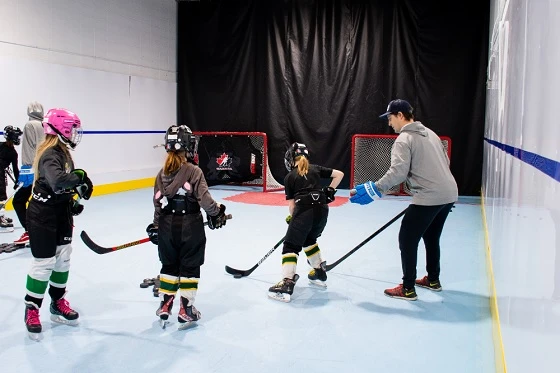
One of the most critical aspects of a hockey player’s performance is stride mechanics. Skating forms the foundation of the game, and improving stride technique translates to increased speed, control, and endurance. Many athletes focus on puck handling or shooting, but without mastering their stride, they miss a vital component of overall efficiency.
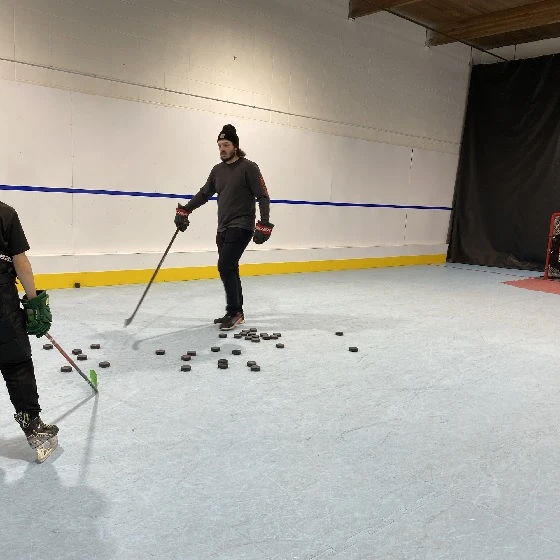
In structured training programs, coaches and trainers analyze each movement knee bend, hip position, edge control to correct inefficiencies. Proper stride technique allows for smoother acceleration and improved stability, especially during high-pressure plays. Through repetitive drills, players can develop muscle memory that ensures consistent form even in fast-paced situations.
Prostride Hockey Training is one example of a focused approach that emphasizes precision in skating mechanics. The training methods used in such programs often combine video analysis and on-ice feedback to ensure players understand both the physical and technical aspects of their stride.
Building Strength and Agility
While skating technique is essential, off-ice conditioning plays an equally vital role in enhancing performance. Strength training, plyometrics, and balance exercises improve overall agility and explosiveness on the ice. Lower body strength, particularly in the quadriceps, hamstrings, and glutes, is necessary for powerful strides and quick directional changes.
Off-ice programs often include resistance exercises, lateral movement drills, and stability workouts to simulate the physical challenges of a game. Incorporating these exercises into a routine not only improves strength but also reduces the risk of injury.
Players who complement their skating drills with proper strength and conditioning find themselves better equipped to handle the physical demands of hockey, from maintaining posture during collisions to recovering quickly after fatigue.
Enhancing Game Awreness and Decision-Making
Technical skill alone does not make an elite player decision-making and situational awareness are equally important. High-quality training programs integrate drills that enhance cognitive skills, helping players anticipate plays, adapt to fast transitions, and react efficiently under pressure.
Drills that replicate real-game environments encourage players to make split-second decisions, improving their ability to read opponents and position themselves strategically. Developing hockey intelligence takes time and repetition, but consistent exposure to these scenarios helps players think faster and perform smarter.
Structured sessions often include both on-ice and off-ice simulation exercises designed to build tactical awareness. Players learn when to pass, when to hold the puck, and how to maximize each stride’s efficiency during play transitions.
The Role of Technology in Modern Hockey Training
Modern hockey training has evolved with the help of technology. Motion sensors, video analytics, and data-driven insights allow coaches to assess player performance more accurately. These tools provide instant feedback, enabling athletes to see where improvements are needed.
By visualizing stride angles, acceleration rates, and recovery patterns, players can make data-backed adjustments. This evidence-based approach minimizes guesswork and speeds up skill development. Moreover, virtual training environments now help players practice tactical plays and improve their reaction times even off the ice.
Programs like Prostride Hockey Training often adopt such technologies to ensure that each player benefits from personalized, measurable progress. With objective feedback, players can focus on specific improvement areas, creating a roadmap toward consistent performance growth.
Conditioning for Endurance and Recovery
Hockey is a high-intensity sport that requires bursts of energy followed by short recovery periods. This intermittent nature makes cardiovascular conditioning and recovery training crucial. Players must maintain stamina to perform at peak levels throughout every period.
Interval training, sprint circuits, and endurance skating sessions are commonly integrated into hockey fitness programs. These exercises build both aerobic and anaerobic capacity helping players sustain high speed without excessive fatigue.
Equally important is post-training recovery. Stretching, proper hydration, and nutrition ensure that the body repairs efficiently after demanding workouts. A well-balanced recovery plan prevents injuries and supports consistent progress over the long term.
Mental Resilience and Focus
Elite athletes know that mental strength is just as important as physical skill. Pressure situations, missed opportunities, and fatigue can affect performance if players lack focus. Mental conditioning such as visualization techniques, goal-setting, and breathing exercises helps athletes stay calm and composed during games.
Incorporating mindfulness into training routines improves concentration and builds emotional control. This mental discipline can make the difference between a player who crumbles under stress and one who thrives under pressure.
Trainers encourage athletes to maintain a positive mindset, learn from mistakes, and focus on long-term development. The ability to adapt mentally during challenging moments is a hallmark of every great player.
Youth Development and Skill Foundation
Developing young hockey players requires a balance between technical instruction and enjoyment. Training programs tailored to youth focus on building strong foundations in skating, balance, and coordination while keeping sessions engaging.
Introducing correct stride habits and basic game sense early on ensures smoother progression as players mature. Coaches emphasize repetition, patience, and encouragement, fostering a love for the sport alongside discipline.
Youth programs also stress teamwork, sportsmanship, and communication skills that extend beyond the ice rink and shape well-rounded individuals.
Continuous Improvement through Feedback
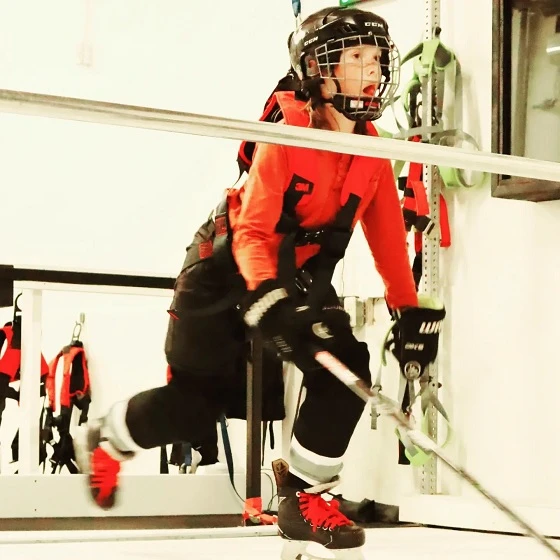
Feedback is the cornerstone of any effective training system. Constructive evaluations from experienced coaches guide players to refine specific areas, whether it’s shooting accuracy, skating stride, or defensive positioning.
Ongoing feedback helps players stay accountable and motivated. Video reviews and performance assessments allow athletes to visualize their growth over time, reinforcing positive habits and highlighting progress.
Every player’s journey is unique, and tailored feedback ensures that training remains relevant to individual goals and abilities.
Consistent, high-quality training transforms good hockey players into exceptional athletes. By focusing on technique, strength, endurance, and mental resilience, players can elevate every aspect of their performance. Programs that incorporate detailed stride analysis, skill progression, and data-driven insights set the foundation for long-term success on the ice.
Through dedication and structured practice, players gain not just skill but confidence and strategic understanding key ingredients for success at any level of competition.
In the end, what defines progress in hockey is the commitment to improvement, discipline in training, and a passion for the game itself.










Sign in to leave a comment.