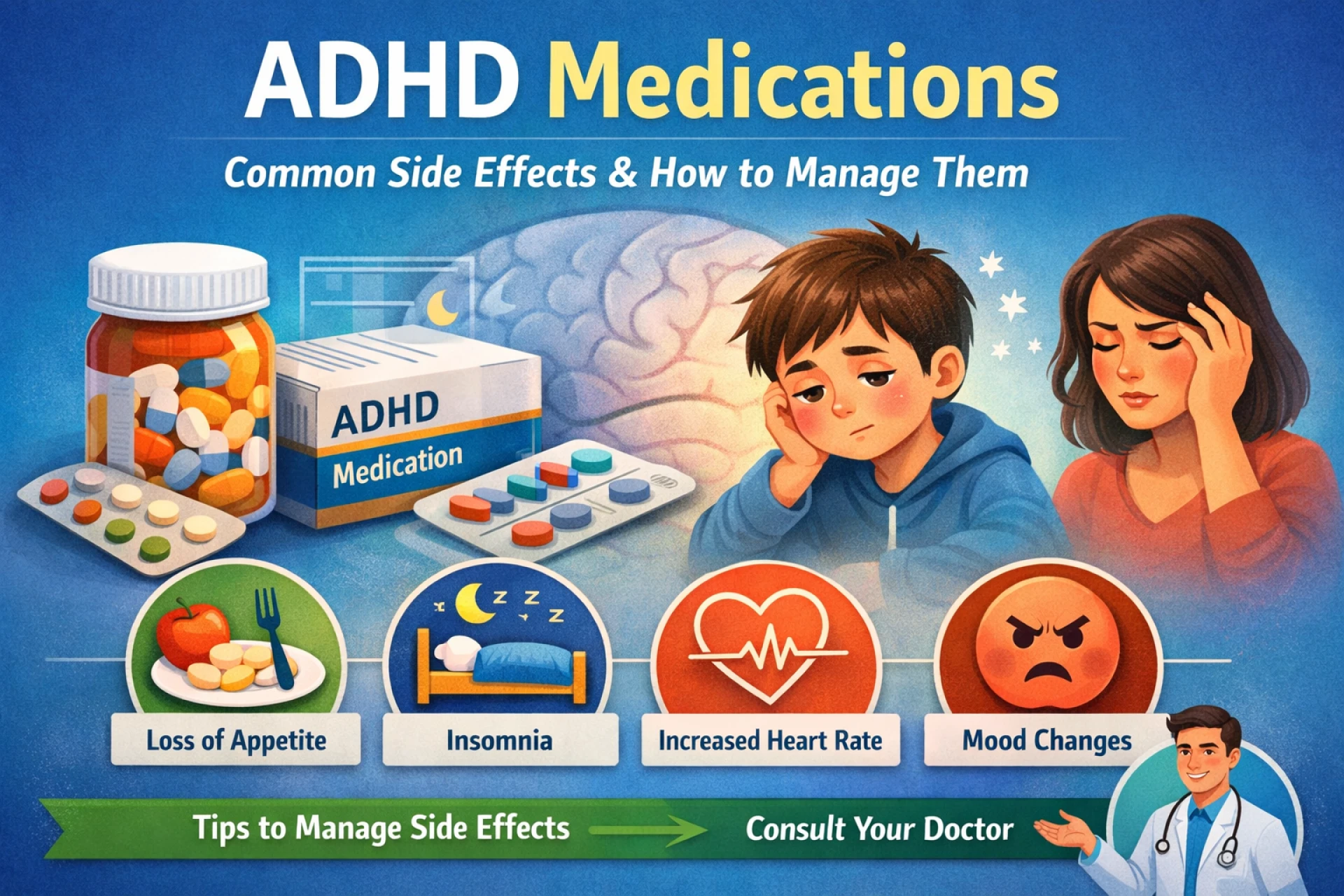
Attention-Deficit/Hyperactivity Disorder (ADHD) affects both children and adults, influencing focus, impulse control, and daily functioning. For many individuals, adhd medications play a critical role in managing symptoms and improving quality of life. While these medications are often highly effective, they can also come with side effects that vary from person to person.
Understanding the potential side effects of ADHD medications and learning how to manage them can help patients, parents, and caregivers make informed decisions and reduce unnecessary concerns. This guide explores the most common ADHD medications, their side effects, and practical strategies to minimize discomfort while maximizing benefits.
What Are ADHD Medications?
ADHD medications are prescription drugs designed to help regulate brain chemicals that affect attention, behavior, and impulse control. They do not cure ADHD but help manage symptoms, allowing individuals to function more effectively at school, work, and in daily life.
These medications generally fall into two main categories:
- Stimulant medications
- Non-stimulant medications
Each type works differently and has its own potential side effects.
Types of ADHD Medications
Stimulant ADHD Medications
Stimulants are the most commonly prescribed ADHD medications and are often the first line of treatment. They work by increasing dopamine and norepinephrine levels in the brain, which helps improve focus and reduce impulsivity.
Common stimulant medications include:
- Methylphenidate-based medications
- Amphetamine-based medications
Stimulants are available in short-acting, intermediate-acting, and long-acting formulations.
Non-Stimulant ADHD Medications
Non-stimulant medications are often prescribed when stimulants are not effective or cause intolerable side effects. These medications tend to work more gradually and may be preferred for individuals with certain medical conditions.
Common non-stimulant options include:
- Atomoxetine
- Alpha-2 adrenergic agonists
While generally considered gentler, non-stimulants still carry potential side effects.
Common Side Effects of ADHD Medications
Side effects can range from mild to more noticeable, especially during the early stages of treatment or when adjusting doses.
Decreased Appetite and Weight Loss
What happens:
Many ADHD medications, particularly stimulants, suppress appetite.
How to manage it:
- Eat a nutrient-dense breakfast before taking medication
- Schedule meals and snacks throughout the day
- Focus on high-calorie, healthy foods
- Monitor weight regularly, especially in children
Difficulty Sleeping (Insomnia)
What happens:
Stimulants can interfere with sleep, especially if taken later in the day.
How to manage it:
- Take medication earlier in the morning
- Establish a consistent bedtime routine
- Avoid caffeine and screen time in the evening
- Discuss dosage timing with a healthcare provider
Headaches
What happens:
Headaches may occur as the body adjusts to ADHD medications.
How to manage it:
- Stay well hydrated
- Eat regular meals
- Adjust dosage if headaches persist
- Use relaxation techniques to reduce tension
Stomach Pain and Nausea
What happens:
Some people experience digestive discomfort, especially when starting treatment.
How to manage it:
- Take medication with food if approved by your doctor
- Avoid spicy or acidic foods
- Eat smaller, more frequent meals
- Allow time for the body to adjust
Increased Heart Rate and Blood Pressure
What happens:
Stimulant ADHD medications can slightly raise heart rate and blood pressure.
How to manage it:
- Monitor vital signs regularly
- Report chest pain or dizziness immediately
- Avoid combining medication with other stimulants
- Follow medical advice closely
Mood Changes and Irritability
What happens:
Some individuals experience irritability, anxiety, or mood swings, especially when medication wears off.
How to manage it:
- Adjust timing or formulation of medication
- Consider behavioral therapy alongside medication
- Track mood patterns to identify triggers
- Consult a healthcare professional for alternatives
Fatigue or Drowsiness (More Common with Non-Stimulants)
What happens:
Non-stimulant ADHD medications may cause tiredness, particularly in the early weeks.
How to manage it:
- Take medication at night if advised
- Allow time for adjustment
- Maintain a consistent sleep schedule
- Discuss dosage changes if fatigue persists
Less Common but Serious Side Effects
Although rare, some side effects require immediate medical attention:
- Severe anxiety or panic attacks
- Hallucinations or paranoia
- Persistent heart palpitations
- Significant mood changes or depression
If any severe symptoms occur, medication should be reviewed promptly by a healthcare professional.
How to Reduce Side Effects of ADHD Medications
Start Low and Adjust Gradually
Most side effects occur when starting treatment or increasing dosage. Gradual titration allows the body to adjust more smoothly.
Follow the Prescribed Schedule
Taking ADHD medications exactly as prescribed at the right time and dosagereduces the likelihood of unwanted effects.
Combine Medication With Behavioral Strategies
Medication works best when paired with:
- Cognitive behavioral therapy (CBT)
- Organizational coaching
- Lifestyle adjustments
- Parental or workplace support strategies
Maintain a Healthy Lifestyle
Simple habits can significantly reduce side effects:
- Balanced diet
- Regular exercise
- Adequate sleep
- Stress management techniques
ADHD Medications in Children vs Adults
Children
Children may experience appetite suppression and sleep issues more frequently. Growth and weight should be monitored regularly, and communication between parents, teachers, and healthcare providers is essential.
Adults
Adults may notice cardiovascular effects, anxiety, or sleep disturbances. Work schedules, caffeine intake, and stress levels often play a role in side effect severity.
When to Review or Change ADHD Medications
A medication review may be necessary if:
- Side effects interfere with daily life
- Symptoms are not improving
- Mood or behavior changes significantly
- New health conditions develop
Digital healthcare platforms like HelloDoc make it easier for patients to consult licensed professionals and discuss medication adjustments without unnecessary delays.
Frequently Asked Questions About ADHD Medications
Are ADHD medications safe long-term?
When monitored correctly, ADHD medications are considered safe for long-term use. Regular check-ups are essential.
Do side effects go away over time?
Many side effects improve within a few weeks as the body adapts.
Can lifestyle changes reduce side effects?
Yes. Nutrition, sleep, and stress management play a major role in medication tolerance.
Final Thoughts
ADHD medications are a valuable tool for managing symptoms and improving daily functioning for both children and adults. While side effects are possible, most are manageable with the right strategies, proper monitoring, and professional guidance.
Understanding how different adhd medications work and how to respond to side effects empowers individuals to take control of their treatment journey. With informed choices, open communication, and supportive care, it is possible to achieve symptom relief while maintaining overall well-being.
Sign in to leave a comment.