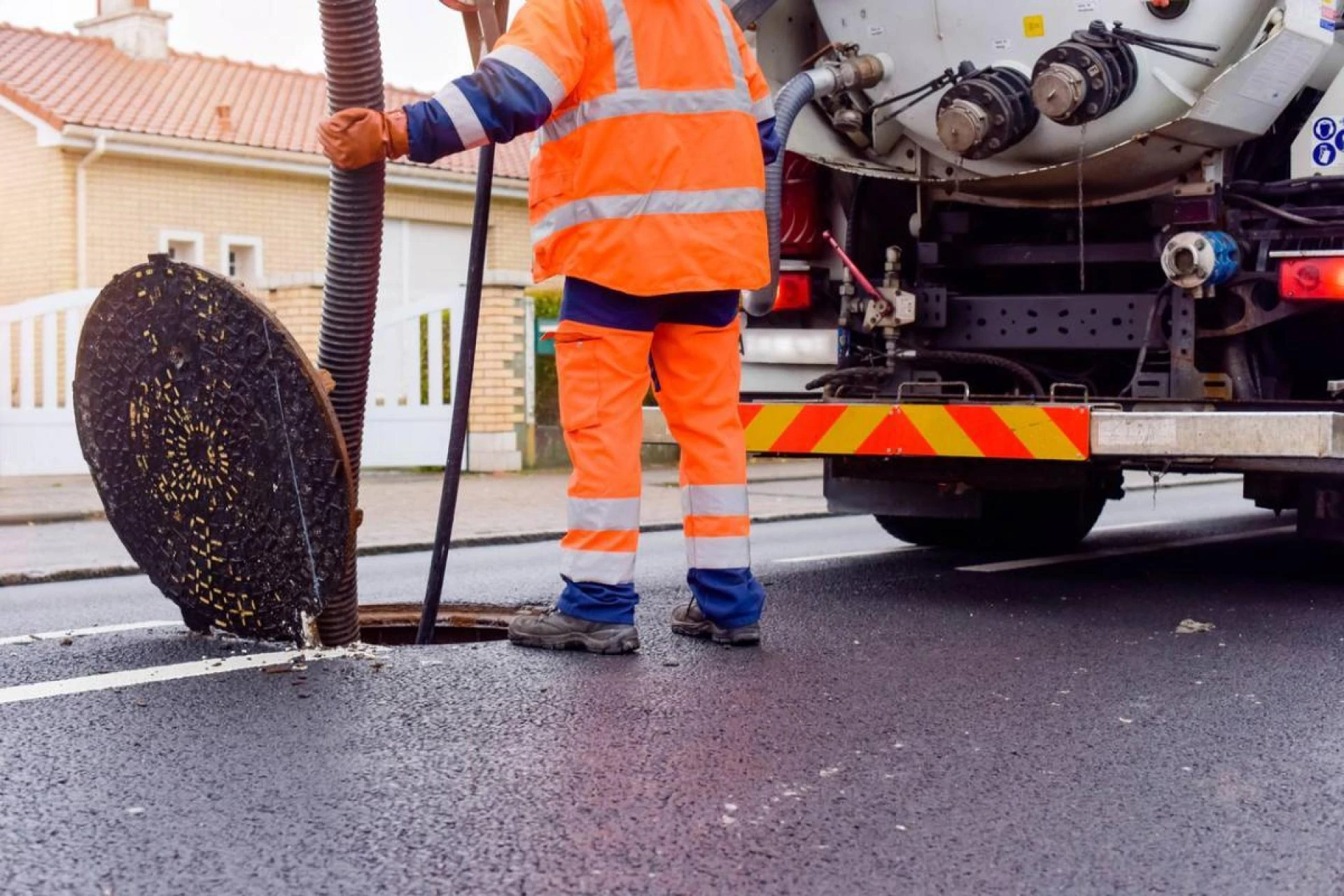
Hydro Jetting Services for Berwyn Drains
Introduction: Why High-Pressure Drain Cleaning Matters
When stubborn clogs, recurring backups, and slow drains begin disrupting your daily routine, standard drain snaking often delivers only short-term relief. That’s where Hydro Jetting Services make a major difference. This powerful and modern drain cleaning method uses high-pressure water streams to thoroughly eliminate grease, sludge, soap scum, mineral buildup, and even intrusive tree roots from inside your plumbing system.
In established residential and commercial neighborhoods, older sewer systems are especially vulnerable to buildup and corrosion. Years of cooking grease, hair accumulation, foreign objects, and sediment can narrow pipe interiors, leading to repeated clogs and slow drainage. Professional high-pressure drain cleaning restores full pipe diameter and improves overall plumbing performance.
Unlike traditional drain clearing, water jetting technology does more than create a small opening through the blockage—it scrubs the entire inner wall of the pipe. This provides a long-lasting solution rather than a temporary fix.
Common Drain and Sewer Problems That Require High-Pressure Cleaning
1. Recurring Kitchen Sink Backups
Grease, food scraps, and detergent residue often accumulate along pipe walls. Over time, this thick buildup hardens, restricting water flow. Restaurants and busy households are especially prone to this issue.
2. Slow Shower and Bathtub Drains
Hair, soap scum, and mineral deposits combine to form stubborn clogs. Standard augers may puncture the blockage but leave residue behind, allowing the clog to return.
3. Tree Root Intrusion in Sewer Lines
Mature trees often send roots toward underground pipes in search of moisture. Once inside, roots expand and trap debris, causing severe sewer backups.
4. Foul Odors from Drains
Organic buildup inside pipes can begin decomposing, producing unpleasant smells throughout the home or commercial space.
5. Commercial Grease Line Buildup
Food service establishments frequently require professional sewer jetting to maintain compliance and prevent emergency shutdowns.
How Professional Water Jet Drain Cleaning Works
Step 1: Video Camera Inspection
Before starting, technicians typically perform a sewer camera inspection to identify blockages, pipe condition, and any structural damage.
Step 2: Inserting the High-Pressure Hose
A specialized hose with a multi-directional nozzle is inserted into the drain or sewer line.
Step 3: High-Pressure Water Application
Water is released at extremely high pressure, blasting away grease, sludge, debris, and roots. The rear-facing jets also propel the hose forward through the pipe.
Step 4: Final System Check
After cleaning, another camera inspection confirms that the line is fully cleared and flowing properly.
This process restores pipes to near-original condition without using harsh chemicals.
When Should You Consider Professional Drain Jetting?
You may need advanced pipe cleaning if you notice:
- Repeated drain clogs despite prior snaking
- Multiple fixtures backing up at once
- Gurgling sounds from toilets
- Water pooling near basement floor drains
- Frequent sewage odors
Early intervention prevents emergency sewer backups that can cause extensive property damage.
Local Drain Challenges and Seasonal Factors
Properties requiring Hydro Jetting Services services in Berwyn, IL often face unique plumbing challenges due to regional climate conditions. Cold winters can cause pipes to contract, making buildup more likely to harden inside sewer lines. During spring, heavy rainfall increases pressure on municipal sewer systems, sometimes leading to backups in older homes.
Additionally, many homes in the area feature mature trees with extensive root systems. These roots frequently invade aging clay or cast-iron sewer pipes. Preventative high-pressure sewer cleaning helps minimize the risk of root-related blockages.
Commercial properties in busy districts also experience heavy grease discharge from restaurants and food establishments, requiring routine maintenance to maintain uninterrupted operations.
Benefits of High-Pressure Sewer Line Cleaning
Thorough Pipe Restoration
Removes full-wall buildup rather than partially clearing blockages.
Long-Lasting Results
Because the entire pipe interior is cleaned, clogs are less likely to return quickly.
Environmentally Safe
Uses only water—no chemicals that could damage pipes or contaminate groundwater.
Prevents Emergency Repairs
Routine jet cleaning reduces the likelihood of costly sewer line replacements.
Safe for Most Pipe Materials
When performed by professionals, the process is safe for PVC, cast iron, and clay piping in good condition.
Maintenance Tips to Keep Drains Flowing Freely
Even after professional cleaning, proper habits extend the life of your plumbing system.
Avoid Pouring Grease Down Drains
Dispose of cooking oil in sealed containers instead.
Install Drain Screens
Hair catchers and sink strainers reduce debris entering pipes.
Schedule Routine Sewer Inspections
Annual camera inspections help detect early buildup.
Flush with Hot Water Weekly
Running hot water helps dissolve minor grease residue.
Be Mindful of What You Flush
Only flush toilet paper—avoid wipes and hygiene products.
Preventative care reduces the need for frequent emergency plumbing calls.
Residential vs. Commercial Drain Cleaning Needs
Residential Applications
- Kitchen and bathroom drains
- Basement floor drains
- Main sewer line cleaning
- Tree root removal
Commercial Applications
- Restaurant grease lines
- Apartment complex sewer systems
- Industrial drain maintenance
- Preventative maintenance programs
High-volume facilities typically require more frequent service due to heavier usage.
Signs It’s Time to Call a Professional
If you’ve tried plungers, drain cleaners, or snaking without long-term success, it’s likely time for professional intervention. Persistent clogs indicate deeper pipe buildup that only high-pressure cleaning can resolve.
Sewer backups can cause health hazards and water damage. Acting quickly protects your foundation, flooring, and overall property structure.
Why Professional Equipment Matters
Store-bought drain cleaning tools lack the power and precision of commercial jetting equipment. Professional-grade machines deliver thousands of PSI, ensuring complete removal of hardened buildup.
Trained technicians also understand proper pressure settings to prevent pipe damage. Using improper pressure can harm weakened plumbing systems, which is why expert handling is critical.
Conclusion
Maintaining a healthy plumbing system requires more than occasional drain clearing. Advanced water-powered drain restoration offers a comprehensive, long-term solution for stubborn clogs, grease buildup, and invasive roots. Whether you’re dealing with slow drains or planning preventative maintenance, professional high-pressure cleaning keeps your pipes operating efficiently.
For reliable and professional service, trust Chicago Drain Tech Emergency Plumbers to deliver safe, effective, and long-lasting drain solutions tailored to your property’s needs.
Frequently Asked Questions (FAQs)
1. How long does professional drain jetting take?
Most residential services take 1–2 hours, depending on blockage severity.
2. Is high-pressure drain cleaning safe for older pipes?
Yes, when inspected first and performed by trained professionals.
3. How often should sewer lines be cleaned?
Homes may need cleaning every 1–2 years; restaurants may require quarterly service.
4. Can this method remove tree roots?
Yes, high-pressure water can cut through smaller roots and clear debris.
5. Will this fix recurring clogs permanently?
It significantly reduces recurrence by cleaning the entire pipe interior.
6. Is chemical drain cleaner better?
No. Chemicals can damage pipes and rarely remove full buildup.
7. Does it create a mess inside the home?
No. The process is contained within the plumbing system.
8. What causes frequent sewer backups?
Grease buildup, tree roots, and flushing non-degradable materials are common causes.
9. Is this service suitable for commercial kitchens?
Yes, it’s highly recommended for grease-heavy operations.
10. How do I know if my main sewer line is clogged?
Multiple drain backups, gurgling toilets, and sewage odors are common warning signs.










Sign in to leave a comment.