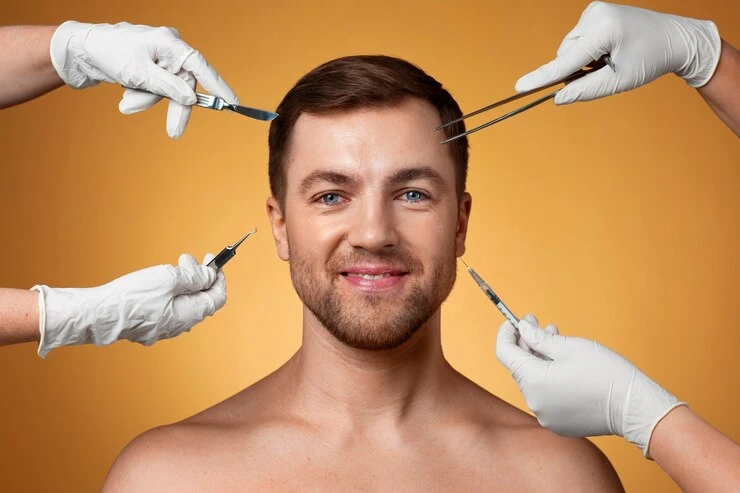
Dermatologic surgery, a specialized discipline within dermatology, has undergone a remarkable transformation over the years. From its early stages of basic procedures to today's sophisticated and precise techniques, the field has embraced advancements that redefine the landscape of dermatologic care. This chronological journey unveils the transformative progress and innovations that have shaped dermatologic surgery into a refined discipline dedicated to both skin health and aesthetic enhancement.
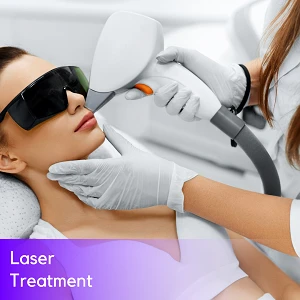
Early Techniques and Visionaries: Dermatologic surgery traces its roots to basic excisions and lesion removals performed with rudimentary tools. Pioneers like Frederick Mohs laid the foundation for the field's development, introducing the Mohs micrographic surgery technique in the 1930s, revolutionizing the approach to skin cancer removal. Laser Technology: A Shift in Paradigm: The advent of laser technology in the latter half of the 20th century marked a significant shift in dermatologic surgery. Laser procedures offered precision in tissue targeting, enabling dermatologic best skin doctor to address a variety of conditions, from vascular lesions and pigmentation issues to tattoo removal and resurfacing. Micrographic Surgery: Setting a High Standard for Skin Cancer Treatment: Mohs micrographic surgery, named after its inventor, Dr. Frederick Mohs, emerged as a groundbreaking technique for skin cancer treatment. This method involves meticulous layer-by-layer removal of cancerous tissue, with real-time microscopic examination, ensuring maximal preservation of healthy tissue. Mohs surgery has become a gold standard for treating certain skin cancers, boasting high cure rates and minimal scarring. Cryosurgery and Electrosurgery: Advances in Lesion Removal: Cryosurgery, using extreme cold to destroy abnormal tissue, and electrosurgery, utilizing high-frequency electrical currents for cutting or coagulation, represent advancements in lesion removal techniques. These methods offer precise control and are widely utilized for the removal of benign and pre-cancerous lesions. Injectables and Fillers: Refining Aesthetics: The introduction of injectables and dermal fillers has brought a transformative dimension to dermatologic surgery, particularly in the realm of aesthetic enhancement. Procedures like Botox for wrinkle reduction and dermal fillers for volume restoration have become go-to options for patients seeking non-invasive rejuvenation. Robotic-Assisted Surgery: Precision at Its Peak: The 21st century has witnessed the integration of robotic-assisted surgery into dermatology. Robotic systems enable surgeons to perform highly precise procedures with enhanced dexterity, particularly in delicate areas or intricate surgeries. This technology exemplifies the commitment of dermatologic surgery to innovation and patient well-being, setting new standards for advanced skin treatment in Indore. Teledermatological Surgery: Overcoming Geographic Barriers: In recent years, teledermatology has emerged as a transformative force in dermatologic surgery. The ability to conduct remote consultations, evaluate images, and offer guidance on postoperative care has increased access to expert care, breaking down geographical barriers and ensuring timely interventions.Conclusion: Precision, Innovation, and Patient-Centric Care
The evolution of dermatologic surgery techniques stands as a testament to the field's dedication to precision, innovation, and patient-centric care. From modest beginnings to the integration of cutting-edge technologies, dermatologic surgery has continuously adapted to meet the evolving needs of patients. As we navigate the future, the field is poised to embrace further advancements, ensuring that dermatologic surgery remains at the forefront of dermatology, providing effective, safe, and aesthetically pleasing solutions for a wide range of skin conditions.








Sign in to leave a comment.