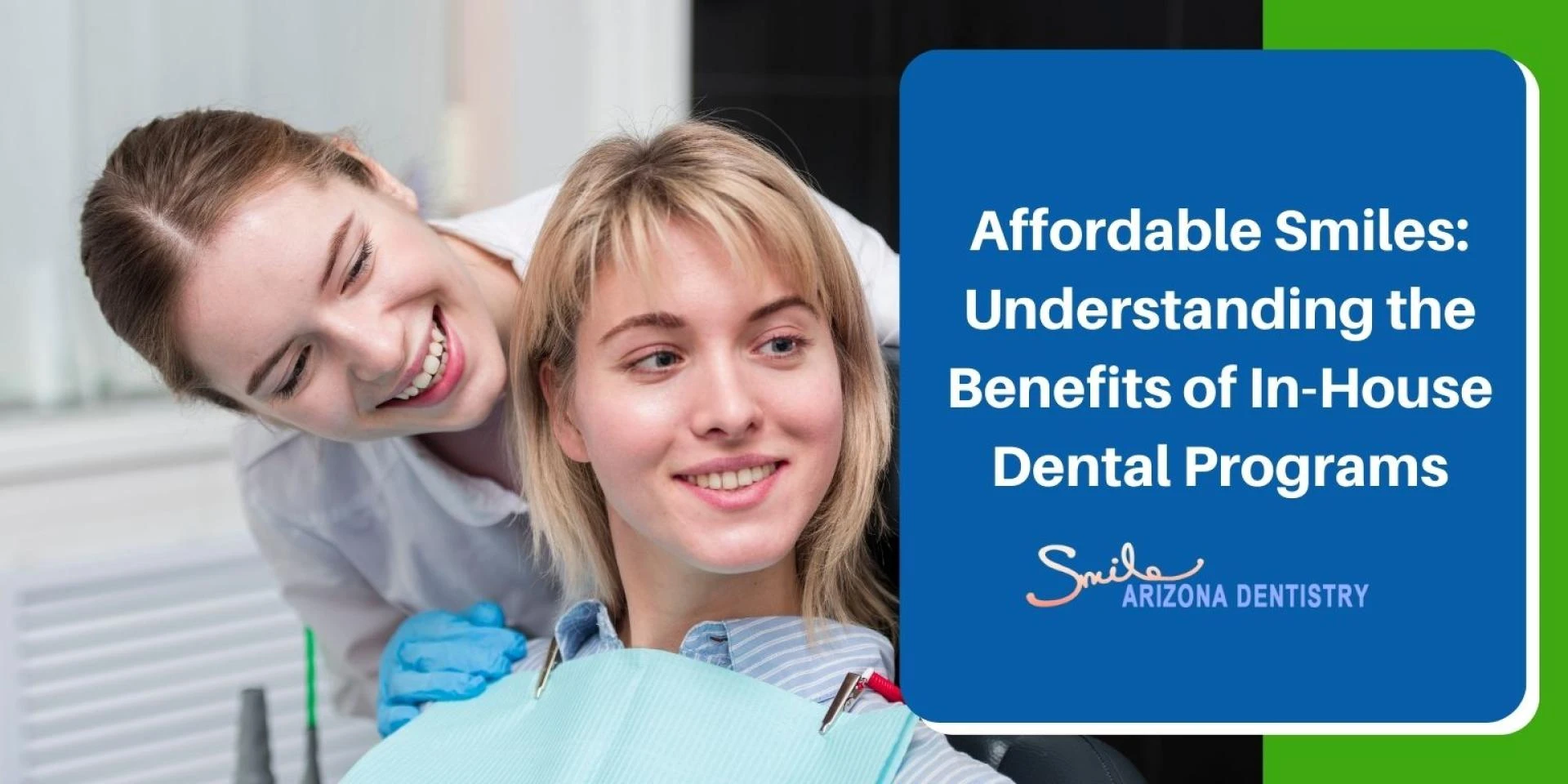

Access to affordable, consistent dental care plays a critical role in maintaining overall health and well-being. However, for many individuals and families, traditional dental insurance may not be a practical or cost-effective option. In-house dental programs have emerged as a valuable alternative, offering predictable pricing, essential preventive care, and discounts on necessary treatments.
This article outlines the key benefits of in-house dental programs and how they serve as an accessible, transparent solution for both uninsured patients and those seeking a more streamlined approach to oral healthcare.
What Is an In-House Dental Program?
An in-house dental program, often referred to as a dental membership plan, is a type of patient loyalty program offered directly by dental practices. These programs typically involve a monthly or annual subscription fee that grants patients access to preventive services - such as cleanings, exams, and X-rays - along with discounts on additional procedures.
Unlike traditional insurance models, in-house plans eliminate the need for third-party providers, allowing patients and practices to work together more directly and effectively.
Key Benefits for Patients
1. Cost Predictability and Transparency
One of the primary advantages of in-house dental programs is the ability to plan for care with confidence. Patients pay a fixed fee for comprehensive preventive services, with clearly stated discounts on treatments like fillings, root canals, and crowns and bridges. This predictable pricing structure helps patients avoid unexpected bills and better manage their healthcare budgets.
2. No Insurance Requirements
In-house dental programs are particularly advantageous for patients who do not have dental insurance. This includes retirees, small business owners, freelancers, part-time employees, and individuals between jobs. The absence of third-party approval processes or claim submissions simplifies the overall experience.
3. No Deductibles, Waiting Periods, or Annual Maximums
Unlike traditional insurance, in-house programs typically do not require patients to meet deductibles or wait for certain benefits to begin. There are also no annual maximums that limit the amount of care a patient can receive within a given year. This enables immediate access to care, which is especially important for patients who require urgent treatment.
4. Encouragement of Preventive Care
Preventive dental care is essential for identifying potential issues early and reducing the risk of costly, invasive procedures later. In-house dental programs usually include two annual cleanings, oral exams, and diagnostic X-rays, all of which promote regular visits and improved long-term oral health outcomes.
5. Discounts on Comprehensive Treatments
Many in-house programs offer significant savings on restorative and cosmetic procedures. Services such as crowns and bridges, dentures, whitening, and periodontal treatment are often available at reduced rates, making them more accessible to patients who might otherwise delay or decline necessary care due to financial constraints.
Benefits for Dental Practices
In-house dental programs also benefit the providers who offer them. These programs foster patient loyalty, streamline operations, and support a more consistent revenue stream.
- Patient Retention: Patients enrolled in a membership plan are more likely to return regularly and complete recommended treatments.
- Improved Cash Flow: Subscription fees contribute to predictable income throughout the year, helping to stabilize practice finances.
- Reduced Administrative Burden: Without insurance paperwork, claim denials, or pre-authorizations, office staff can focus more on patient care.
- Customized Plan Design: Practices can tailor their in-house program to suit their patient population, offering a combination of preventive and elective services that align with the community's needs.
Who Can Benefit the Most?
An in-house dental plan is suitable for:
- Individuals without dental insurance
- Families looking to simplify their dental expenses
- Seniors seeking continued access to care post-retirement
- Anyone who prefers a clear, cost-effective alternative to traditional dental insurance
These programs are particularly well-suited for patients who value regular preventive visits and want to plan ahead for any necessary dental work.
Final Thoughts
In-house dental programs provide a practical and affordable path to achieving and maintaining a healthy smile. By eliminating many of the complexities associated with dental insurance, these plans encourage proactive care, improve treatment accessibility, and foster stronger relationships between patients and their providers.
If you are considering joining an in-house dental program, consult with your local dental office to learn more about their specific offerings, benefits, and enrollment process. Affordable, quality dental care may be closer than you think.
Disclaimer: This article is intended for informational purposes only. It does not constitute medical advice or establish a patient-provider relationship. Please consult a licensed dental professional for personalized recommendations.











Sign in to leave a comment.