

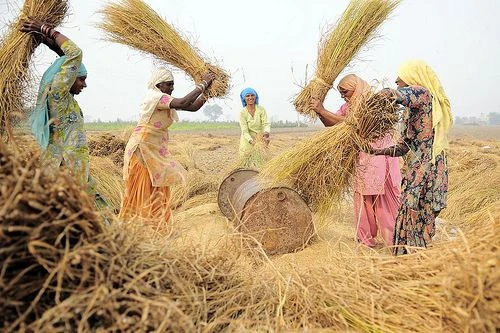
Across rural landscapes, farmers wake before sunrise, their hands shaping the future with every seed sown. Yet, despite their tireless efforts, many still face poverty, isolation, and uncertainty. The truth is, even the most hardworking farmer can struggle when working alone.
But there’s a game-changer agricultural cooperatives.
Agricultural cooperatives have the power to turn everyday farmers into champions champions of productivity, income, sustainability, and community development. They do this by enabling farmers to stand together, share resources, increase their bargaining power, and shape their own destinies.
This article will take you through the journey of how agricultural cooperatives transform farming lives from mere survival to thriving success.
What is an Agricultural Cooperative?
An agricultural cooperative is a farmer-owned and farmer-run organization that exists to serve the collective needs of its members. Whether it’s buying inputs, selling produce, managing storage, or accessing credit, the cooperative ensures fairness, equality, and collective success.
In other words, an agricultural cooperative is farming teamwork in action.
The Challenges Farmers Face Alone
Before we understand the strength of unity, let’s look at the struggles faced by individual farmers:
- High cost of seeds, fertilizers, and machinery
- Poor access to credit
- Lack of storage and transportation
- No access to big markets
- Low crop prices due to middlemen
- No voice in policy decisions
These issues often trap farmers in cycles of debt, loss, and migration. But cooperatives offer a clear path forward a structure where farmers support each other and grow together.
How Agricultural Cooperatives Turn Farmers into Champions
1. Power in Numbers: Shared Strength
One farmer may be ignored. A thousand farmers can’t be.
Cooperatives give farmers the power of the group. Together, they can:
- Negotiate better prices for seeds, fertilizers, and equipment.
- Sell produce directly to markets and processors.
- Demand fair policies from the government.
This unity transforms powerless individuals into a force to be reckoned with.
2. Profit Through Collective Marketing
Most farmers sell individually to local traders or middlemen who offer low prices. Cooperatives break this chain.
By pooling their produce, co-op members can:
- Sell in bulk at higher prices
- Access national and international retailers and exporters
- Create their own brand identity (like AMUL for dairy)
This leads to higher incomes and better recognition for farmers.
3. Access to Inputs and Services
Buying seeds or agrochemicals in small quantities is expensive. But cooperatives can purchase in bulk and distribute to members at subsidized rates.
They also provide:
- Soil testing services
- Agri-advice from experts
- Irrigation and machinery support
This results in lower costs and better productivity.
4. Storage, Processing, and Transport
Many farmers are forced to sell immediately after harvest due to lack of storage. This leads to low returns.
Cooperatives can build or access:
- Warehouses and cold storage
- Transport vehicles
- Food processing units
This helps in value addition and timely selling for maximum profit.
5. Financial Access and Risk Protection
Banks often hesitate to give loans to small farmers. But through cooperatives:
- Farmers get access to credit without harassment
- Co-ops negotiate low-interest loans
- Group-based lending ensures repayment discipline
Many cooperatives also help members access crop insurance and government subsidies, making farming less risky and more secure.
6. Training and Innovation
Cooperatives regularly organize:
- Skill-building workshops
- Demonstrations of modern practices
- Field visits to model farms
This helps farmers stay updated with:
- Organic farming
- Climate-smart agriculture
- Digital tools and mobile apps
Learning together means growing together.
Success Stories: Farmers Who Became Champions
1. AMUL – The Milk Revolution
Started in Gujarat, AMUL turned rural milk producers into global dairy suppliers. Today, it collects milk from millions of small farmers, processes it, and sells under its own brand, returning profits to the producers.
2. Mahagrapes – The Grape Exporters
A group of cooperatives in Maharashtra formed Mahagrapes to help farmers export grapes to Europe. With quality checks, cold chains, and branding, they turned small growers into international exporters.
3. Kudumbashree – Women Lead the Way
In Kerala, women farmers formed cooperative groups to lease land, grow vegetables, and sell to local markets. They became leaders of self-reliant farming and household income.
These examples prove that with the cooperative model, champions aren’t born they’re made through unity, structure, and purpose.
How to Start or Join a Cooperative
If there’s no cooperative in your area, start one! Here’s how:
Step 1: Mobilize Farmers
Talk to nearby farmers. Discuss shared problems and the idea of forming a group.
Step 2: Form a Core Team
Create a management team. Assign roles like president, secretary, and treasurer.
Step 3: Register the Co-op
Visit your district cooperative office. Prepare bylaws, member details, and financial contributions.
Step 4: Link with Support Agencies
Connect with banks, NGOs, agri departments, and FPO promoters.
Step 5: Operate Transparently
Hold meetings, keep records, and ensure that all members get equal say and fair returns.
Challenges and How to Overcome Them
Like any group effort, cooperatives face difficulties:
1. Mismanagement or Corruption
Solution: Regular audits, transparency, and democratic elections.
2. Conflict Among Members
Solution: Clear rules, open communication, and trusted leadership.
3. Lack of Skills
Solution: Capacity-building training for leadership and operations.
4. Political Interference
Solution: Keep focus on farming goals and ensure decisions are made by farmers.
5. Market Competition
Solution: Focus on quality, branding, innovation, and niche markets.
The Role of Technology in Modern Cooperatives
Technology boosts the power of cooperatives in many ways:
- Apps for price discovery and weather alerts
- Digital platforms for e-marketing (like eNAM)
- Online bookkeeping and member management
- Blockchain for traceability and trust
- Drones and GIS for precision farming
Smart cooperatives are becoming tech-driven champions of agriculture.
Government Support for Cooperatives
India’s cooperative sector enjoys strong government backing through:
- National Cooperative Development Corporation (NCDC)
- FPO (Farmer Producer Organization) schemes
- Subsidies for machinery and storage
- Access to cooperative banks and credit societies
- Rural Skill Development Programs
Farmers are encouraged to take advantage of these schemes by either joining or forming cooperatives.
Women and Youth in Cooperatives: The New Champions
Traditionally, farming was male-dominated. But women and youth are now taking charge in cooperatives:
- Women-run co-ops increase income and gender equality.
- Youth-led cooperatives bring innovation, energy, and tech-savviness.
- Together, they make farming modern, inclusive, and dynamic.
Cooperative Farming and Sustainable Agriculture
Agricultural cooperatives promote sustainable farming by:
- Encouraging crop rotation and organic inputs
- Enabling resource sharing that reduces waste
- Promoting eco-friendly practices for long-term soil health
When farmers work together, they protect not just their future but also the planet’s.
Final Words:
The agricultural cooperative model is more than a strategy it’s a movement of empowerment. It gives farmers:
- A stronger voice
- Better incomes
- Respect in society
- And control over their future
Whether you're a farmer, policymaker, student, or supporter remember: the way to build rural prosperity and food security lies in working together.
Every field can grow food. But with cooperatives, fields grow champions.So, if you’re a farmer looking to change your story, step into a agricultural cooperative. Your journey from survival to success, from farmer to champion, begins with unity.












Sign in to leave a comment.