As logistics upgrade toward to full automation, Now AI is leading the charge for smarter, more efficient, and sustainable with most of tech related works and supply chains as well. The latest advancements in AI are making logistics operations more autonomous, giving companies the flexibility to respond quickly to shifting market conditions and customer needs.
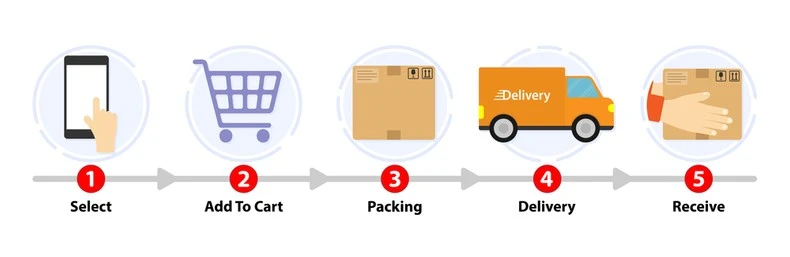
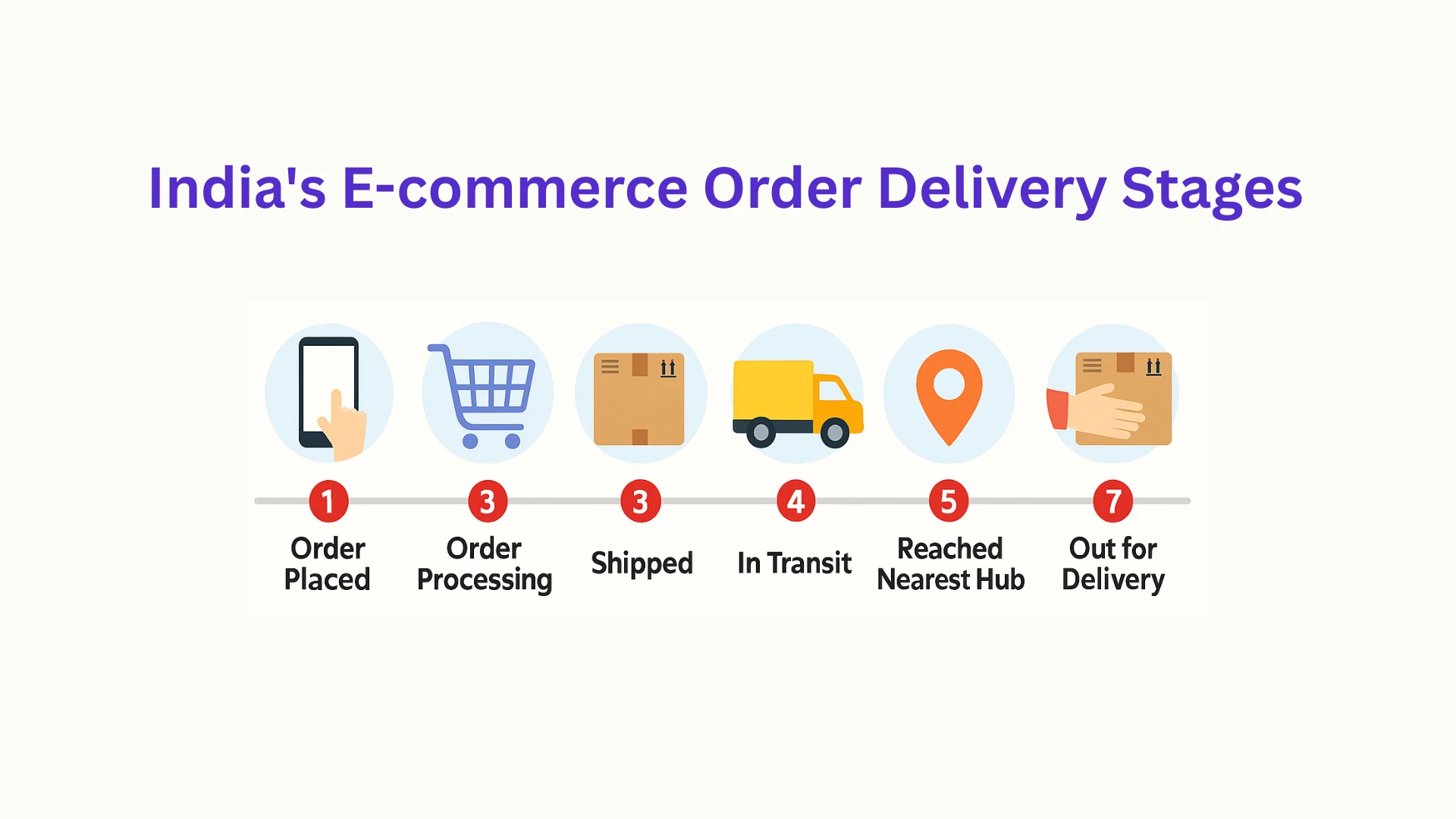
Now Imagine how often times you order over different platform to get your desire products like: clothes, grocery, gadgets and electronics item and lets imagine how many steps it takes for that item to reach your doorstep: packing, shipping, sorting, and delivery.
Behind this scenario the logistic network works to sort the problems and with AI - is now making that process faster, smarter, and more efficient than ever before.
What Is AI in Logistics?
In simple term: Artificial Intelligence (AI) is changing how products are moved, stored, and delivered around the world. In simple terms, AI helps logistics companies make smarter decisions by using data and automation.
Artificial Intelligence is like giving computers and machines the ability to think and learn from data just like humans, but faster. Traditionally, logistics involved a lot of manual planning, spreadsheets, phone calls, and guesswork.
With AI - logistics becomes data-driven and automated. As the logistics industry becomes more digital, AI is helping businesses move toward a future where deliveries are quicker, smarter, and better for the environment.
How AI Is Improving Logistics
Smarter Route Planning
AI can check real-time information like traffic, weather, and road closures to find the best route for every delivery. This means delivery vehicles spend less time stuck in traffic, save fuel, and complete more deliveries per trip.
Predicting Customer Demand
By leveraging the past sales and shopping patterns, AI can predict what products will be in demand. This helps businesses stock the right items at the right time - helping to avoid peak sale period and always have the right products available when customers need them.
Smarter Warehouses
In warehouses, AI works with robots to speed up tasks like picking, packing, and sorting items.
It helps track inventory, reduces human error, and ensures that orders are packed correctly, tracking product locations in real time, automation saves time.
Better Last-Mile Deliveries

The last-mile aka the final step delivery of getting a package to a customer is most important, expensive and challenging part of logistics. AI leverage the technology and data to planning efficient delivery routes, scheduling drivers better, and giving customers live updates on their packages.
Real-Time Tracking and Visibility
AI allows both companies and customers to track deliveries every step of the way. Customers know exactly when their package will be in his hand, and businesses can quickly fix issues if something goes wrong.
How AI Is Improving Logistics
AI is now getting smarter and efficient in logistics by adapting data to analyze patterns and insights. In the coming years, we can expect even more innovation. Here is what is coming next:
Self-Driving Delivery Vehicles:
Imagine delivery trucks or drones that can drive themselves! These are already being tested and will soon make deliveries even faster and more efficient.
Predictive Maintenance:
AI will predict when delivery vehicles need repairs, preventing breakdowns and saving costs.
Smarter Data and Devices:
AI will work closely with Internet of Things (IoT) devices - small sensors that track shipments and vehicle performance. Might chance, you will get news asap when if It is gonna happen, even zomato recently implement robots in their warehouse for testing the next generation logistics cycle.
Eco-Friendly Deliveries:
AI can help reduce fuel use and carbon emissions by planning shorter routes and preventing unnecessary trips. Even AI will allow customers to choose delivery slots, and preferences tailored exactly to their convenience.
How Pidge Is Transforming the Logistics Industry with AI
Pidge is not just another logistics intelligence platform - it is becoming the AI-powered logistics ecosystem that combines automation, intelligence, and reliability to deliver end-to-end logistics excellence.
Its powerful AI engine monitors every stage in real time, ensuring that no delivery goes off track. If there's ever a delay or disruption, the system instantly adjusts by reallocating tasks or suggesting alternate routes to keep fulfillment on schedule. Beyond optimization, Pidge has built a unified platform that connects every part of the logistics chain. And the PPN (Pidge Powered Network) is a smart move.
PPN is an intelligent delivery ecosystem built by Pidge to empower delivery partners and enable businesses to scale without limits. It connects local delivery partners, logistics providers, and businesses under one unified AI-powered platform
And Titan which is basically an Intelligence Logistics AI, that gives you growth opportunities, and AI-powered tools to make work easier and more productive. By combining AI with human skill, Pidge ensures deliveries are faster, smarter, and more reliable than ever.
Conclusion
AI is no longer just a futuristic concept; it is actively transforming the way logistics works today. From smarter route planning and predictive demand forecasting to faster warehouse operations and eco-friendly deliveries, AI is making logistics more efficient, reliable, and sustainable.










Sign in to leave a comment.