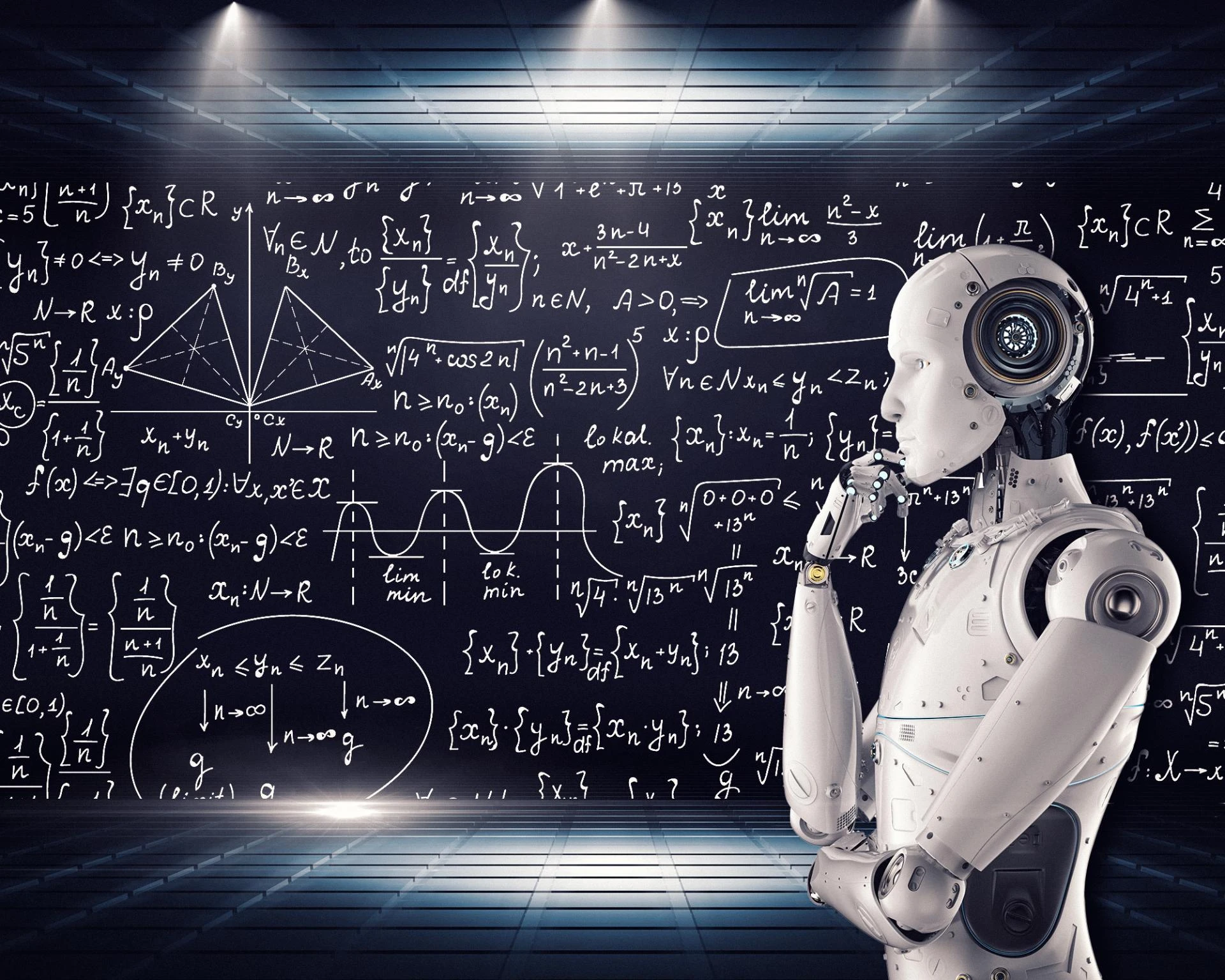

The metaverse revolution has transformed digital interactions by providing deeply immersive and interdependent virtual environments. This digital transformation depends heavily on artificial intelligence (AI) through generative AI (GenAI), which is a core element for building these virtual environments. The combination of GenAI technology enables developers to design highly detailed virtual environments while creating automated methods to produce content and generate brilliant non-player characters that fundamentally transform virtual world development and user experiences. Many professionals are now interested in pursuing generative AI training to remain competitive within the expanding AI-driven technology landscape.
The Metaverse and the Role of AI
The metaverse is now a permanently ongoing digital sphere that merges avatars with social interaction with economic transactions and environment construction. AI enhances metaverse interactions through various elements, such as realistic environments and more efficient and tailored user experiences. The automated content creation capabilities of generative AI systems extend to generate assets and environments that create interactive metaverse experiences for providing scale and dynamic functionality to the platform.
How GenAI Powers the Metaverse
Generative AI leverages neural networks and additional machine learning models to produce fresh content, including images, text, audio, and programming code. This technology drives monumental changes within the metaverse through the following processes.
1. Creating Hyper-Realistic Virtual Environments
Creating virtual worlds traditionally required significant human labor, as artists dedicated months to designing architectural elements and virtual environments. However, a generative AI developer can swiftly generate high-fidelity 3D environments by implementing algorithms. Artificial Intelligence platforms review data sources to develop believable landscapes with building structures and interactive components that boost realistic virtual experiences.
2. Enhancing Avatars and Personalization
Users within the metaverse represent themselves through avatars that GenAI technology continues to make more realistic and adjustable. AI technology produces many expressions, gestures, and clothing options matching specific requirements. Artificial intelligence models now help avatars replicate real-life expressions in addition to behavioral patterns, which boosts user involvement.
3. Intelligent NPCs and Virtual Assistants
Metaverse games and simulations depend heavily on NPCs, providing quests and challenges and interactive gameplay experiences. GenAI transforms NPCs by allowing them to learn from players' actions and produce conversations that match the situation. Virtual assistants generated through AI technology enable real-time interactions, raising immersion and dynamic quality during metaverse experiences.
4. Automating Content Creation
Virtual world content is the essential component supporting games, virtual stores, and social hubs. GenAI technology accelerates content development through the automated production of digital resource scripts and narratives, which lowers total development expenses. Businesses can gain market superiority through metaverse operations by leveraging AI to create marketing content, interactive stories, and virtual branding solutions.
5. Real-Time Translation and Communication
Several languages unite individuals across the world in the global metaverse environment. AI translation services create faceless, cross-lingual communication pathways that allow users to interact without facing any language obstacles. Natural Language Processing (NLP) algorithms deliver real-time translations that maintain an accurate understanding of context.
The Demand for Generative AI Skills
Professionals with expertise in generative AI have become indispensable as the metaverse progresses quickly. Students who enroll in generative AI training obtain practical experience developing AI models and generating content and automatic tools necessary for metaverse implementations. A basic understanding of GenAI will open professional doors for developer designers and business strategists.
A generative AI certification provides evidence for existing field knowledge while improving professional reputation in the eyes of employers. Due to modern technological advancements, a generative AI course is now available online across multiple platforms and easily accessible to international students. These courses cover key topics such as deep learning, neural networks, and AI-driven content creation.
Ethical Considerations and Challenges
The advantages of AI-driven metaverse applications come with ethical issues and technical difficulties that need resolution.
Machine learning systems that create content require massive data sets to operate, thus raising security concerns about user privacy and data protection.
The content generation process through Generative AI absorbs existing biases from its training datasets to generate discriminatory outputs.
Decentralized metaverse structures need well-established regulations to manage responsible artificial intelligence applications and protect them from misuse.
To handle these challenges, organizations must create transparent AI policies, ethical frameworks, and data governance practices that focus on responsibility.
Conclusion
Generative AI leads metaverse innovation by creating exceptionally realistic immersive virtual worlds with advanced interactive features. A fundamental transformation in digital experiences occurs through GenAI, which enables environment generation, avatar enhancement, and automated content creation. The competitive profile of metaverse opportunities demands that individuals and businesses obtain generative AI certification or generative AI training to remain competitive in this evolving landscape. The availability of online generative AI training enables worldwide learners to discover AI virtual world development capabilities that will define the future of the metaverse.










Sign in to leave a comment.