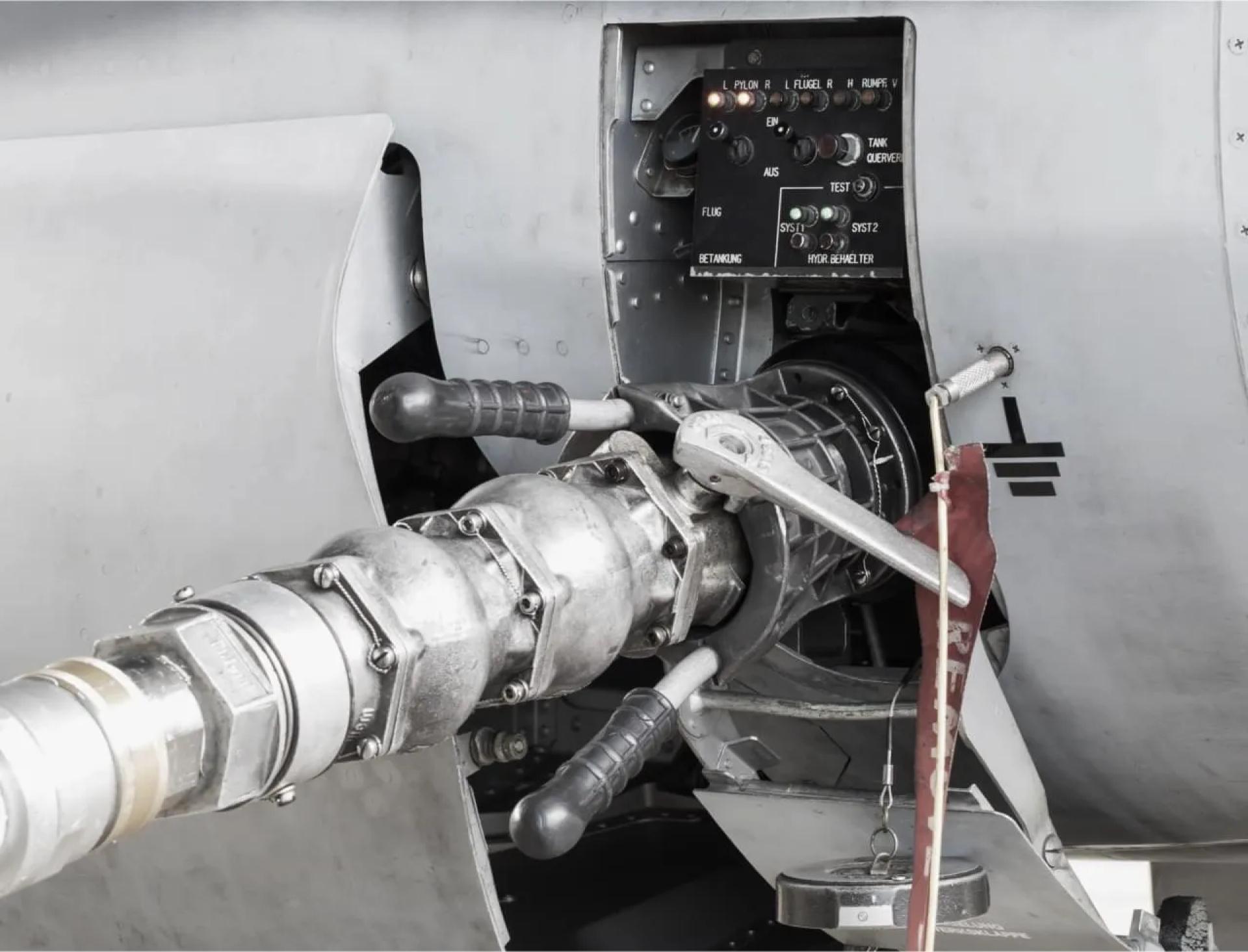

Aircraft refueling is a fundamental process in the aviation industry, playing a pivotal role in ensuring the safety, efficiency, and operational readiness of aircraft across the globe. Whether in commercial aviation, military operations, or private aviation, refueling is a carefully managed task that involves technical expertise, stringent safety protocols, and advanced fueling technologies.
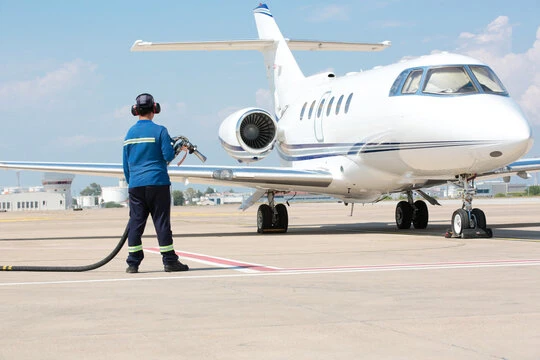
What is Aircraft Refueling?
Aircraft refueling refers to the process of transferring fuel into an aircraft’s fuel tanks to prepare it for flight. This can occur on the ground (known as ground refueling) or in mid-air (known as aerial refueling or air-to-air refueling in military contexts). The type and amount of fuel depend on the aircraft’s specifications, route length, weather conditions, and payload.
Types of Aircraft Refueling
1. Ground Refueling
Ground refueling is the most common method, used extensively in both commercial and private aviation. It takes place at airports where fuel is delivered through tanker trucks or underground hydrant systems. There are two primary ground refueling methods:
Over wing Refueling: Typically used for smaller aircraft, fuel is pumped directly into the wing tanks through a nozzle inserted manually.
Under wing (Pressure) Refueling: Used for larger commercial jets, this method uses high-pressure systems and specialized connectors to quickly fill multiple tanks simultaneously.
2. Aerial Refueling
Primarily used by military aircraft, aerial refueling allows aircraft to receive fuel while still in flight, significantly extending their range and operational capabilities. Two main systems are used:
Boom System: A rigid telescoping tube controlled by a boom operator, common in the U.S. Air Force.
Probe-and-Drogue System: Involves a flexible hose with a basket (drogue) attached, into which the receiving aircraft connects a probe.
Fuel Types Used in Aircraft
The most commonly used aviation fuels include:
Jet A and Jet A-1: Kerosene-based fuels used by most commercial and military jet aircraft.
AvGas (Aviation Gasoline): Used in piston-engine aircraft, typically smaller or older planes.
Biofuels and Sustainable Aviation Fuel (SAF): Emerging alternatives aimed at reducing carbon emissions and environmental impact.
Safety and Environmental Considerations
Refueling is a high-risk operation due to the flammable nature of aviation fuel. Ground crews must follow strict protocols, including:
Grounding aircraft to prevent static discharge.
Monitoring fuel quality to avoid contamination.
Using proper personal protective equipment (PPE).
Environmental considerations are also becoming more prominent. Airports and fueling companies are increasingly adopting sustainable practices, including:
Leak detection systems.
Use of SAF.
Recycling and waste minimization efforts.
Innovations and Future Trends
Technological advancements are streamlining the refueling process. Automation, digital fuel management systems, and real-time data tracking are making refueling safer and more efficient. The aviation industry is also investing in alternative fuels and electric aircraft, which could significantly change refueling infrastructure in the coming decades.
Conclusion
Aircraft refueling is more than just a routine procedure—it's a complex operation essential to modern aviation. With advances in technology and an increasing focus on sustainability, the future of aircraft refueling is set to be more efficient, safer, and environmentally friendly.










Sign in to leave a comment.