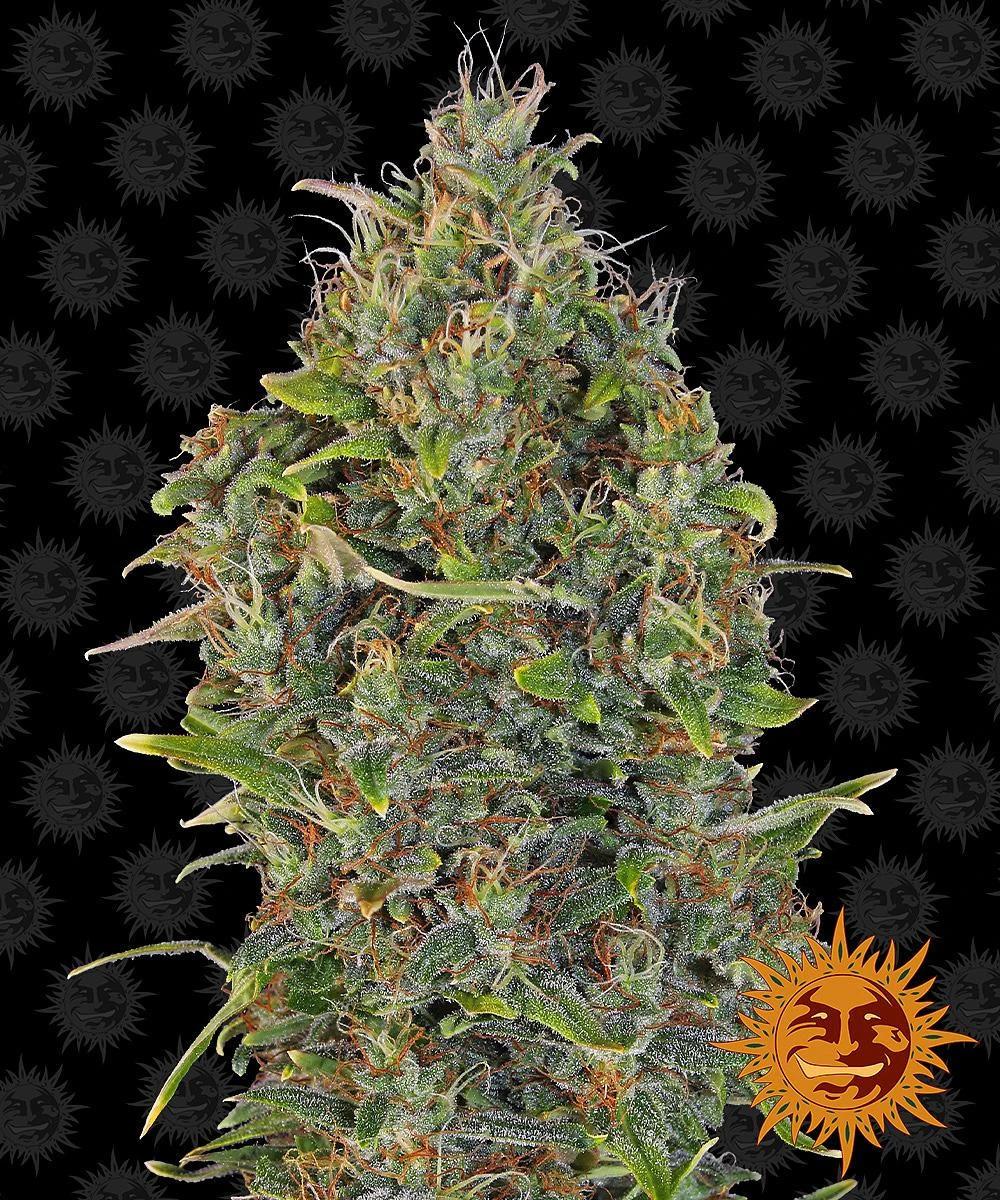

There seem to be a lot of cannabis seeds available, and it can be difficult to know what to choose. Do you prefer feminized or unfeminized cannabis seeds? What about autoflowers? Autoflowers can be grown to increase harvest time and yield a large amount of marijuana. These are the autoflower pros and cons, along with some growing tips, to help you decide whether this seed is right in your cannabis garden.
What are autoflowers?
Autoflowers, as the name suggests, automatically transition to flowering without intervention. Autoflowering cannabis seeds can move through each stage of the growth cycle according to their age, unlike photoperiod plants which are dependent on light and darkness cycles. The strain may affect the time it takes for autoflowering cannabis seeds to mature. There are over 200 autoflowering varieties on the market.
What is the average time it takes to grow an autoflower?
The size and type of the autoflowering plant will determine when it is ready to harvest. There are dwarf varieties that are small in stature, and can be harvested within 10 weeks. Super autos grow taller, sometimes reaching 6 feet in some cases, and can mature in less than 100 days. However, autoflowering cannabis can be grown in a shorter timeframe than photoperiod strains. This is one of the most sought-after traits.
Growing autoflowers: The pros and cons
Autoflowering cannabis has many benefits. It can produce the highest yield possible in the shortest time. These are the top four reasons to grow autoflowering cannabis.
Fast: The transition from the vegetative stage to the flowering stage may take as little as seven weeks.Simple: One plant that autoflowers can produce hundreds of seeds. This simplifies the process and eliminates the need for additional seeds.Flexible: Autoflowering cannabis seeds thrive in all climates and environments. Because artificial lighting doesn’t harm them, even cities can provide a welcoming environment for autoflowering cannabis seeds.Prolific: An autoflowering plant can yield multiple harvests in a single season. This gives you plenty of weed to enjoy right now, or maybe dry and cure it for later.Some people claim that growing autoflowering cannabis has disadvantages. Others argue that the quality of the harvested cannabis is poorer. Some are concerned about the quality of the seeds prior to harvest, and the possibility that they will not autoflower. Some dwarf strains can produce disappointing yields, sometimes up to half an ounce per plant.
What is the yield of autoflower plants?
Harvest timing is dependent on the size of the autoflower plants and the classification they are in. The same goes for the yield of cannabis. The average plant will yield between 10-50 grams, while super autos can yield between 100-200 grams. If you have a limited space, the super autoflower's abundant yield can prove to be a double-edged weapon. For regular autos, keep your space small and manageable. Reserve larger spaces for super autos
Do autoflowers need nutrients?
Autoflowers, like all living plants, require nutrients. However, it is important to maintain a delicate balance. Over-feeding cannabis seeds with fertilizer can cause them to become resistant. Make sure you choose an autoflowering fertilizer and micro-dose it rather than putting too much on. Autoflowering seeds can be grown in lightly fertilized soil, provided that you feed the plants with vitamins B, enzymes, fungi, and other nutrients. Autoflowers also require at least 15 to 18 hours sunlight each day or LED light to thrive.
How to grow autoflowering plants
Let's now look at each stage of the autoflower growing process. This guide will show you how to grow autoflowers in a 10-week cycle. It also highlights key milestones each week.
Week 1:
The initial stage of germination takes place within three days. Sometimes, it can take up to 24 hours. You can use a mix of light potting soil or make your own. Also, you will need to add nitrogen-rich tablets that contain other essential nutrients and good fungi. Your cannabis seeds will thrive in a climate that is between 70 and 90 percent humid, and 70 to 85 degrees Fahrenheit. Place the soil in pots and make 15-millimeter holes. Place a seed in each hole and cover it with soil. The seedlings will emerge over the next few days.
Week 2:
Photosynthesis Add more nutrients to your seedlings in the late stages. Because you are growing autoflowers, not regular seeds (or regular seeds), only half of the recommended dose is necessary.
Week 3:
Vegetation Improve the environment with low-stress training. Feed twice per week, reduce humidity to 50%, and lower the temperature to 68°F. At this point, the plants should be approximately six inches high.
Week 4:
Late Vegetation In this second phase of vegetative growth, reduce humidity to around 45 percent and maintain a temperature of around 68°F. Give half a liter of water daily and continue to feed twice weekly. At this point, you may notice some pre-flowers.
Week 5:
Flowering first signs of spring will be visible in week five. These sticky, resinous buds give you a glimpse at the bounty that lies ahead. Maintain a constant humidity level of 45 percent, but raise the temperature to around 71 degrees. Add two tablets of supplementation twice per week and increase the water intake to one liter. Look out for ones that contain phosphorous, calcium, magnesium and potassium. Plants should now be at least one foot tall.
Week 6:
Late Flowering Don't is surprised if you see a flower in every bud two weeks after the flowering stage has begun. Reduce the humidity to 40% and bring the temperature down to 68 degrees. Give the plants 1.5 liters of water and give them three meals a week. This week is the last step in raising autoflowering plants to full maturity.
Week 7:
Maintenance it is important to keep harmful intruders like mold and spider mites away from your cannabis plants. Make sure you check them daily and keep the humidity at 40%. Keep to the six-week-old watering and feeding plan. You will reap the rewards of patience and hard work in the near future. Harvest time is within your reach.
Weeks 8 & 9:
Stop feeding the plants. Instead, give them a good rinse with water. Then trim the plants with a pair of shears. Defoliation allows plants to absorb more light and reduces the chance of mold damage. The eagerly awaited harvest time will start at the end of the two-week period.
Week 10:
Harvest: Milky white pistils and red-brown trichomes on the buds are signs that they are ready to harvest. The next step is drying and curing. Once that's done, you can finally relax and enjoy the sweet labo fruits.










Sign in to leave a comment.