
As a homeowner, you know a lot needs to go right and work effectively behind the scenes for your home to stay safe and hygienic. Your septic system is one such element of your home operation that needs to be kept in top shape; otherwise, any disaster would be catastrophic and messy to handle and fix. However, we know you might have many questions about your septic system, especially if you’re a new homeowner, which is why we’ve written this short Q&A to answer the most frequently asked questions by homeowners about septic systems and to explain why Septic Tank Pumping in Edgewood is so important for the health of your home.
Frequently Asked Questions About Septic Systems & Septic Pumping
How Often Do I Need to Pump My Septic Tank?
In theory, you should get your tank pumped at least every 3-5 years. But the actual frequency depends on several factors, including the size of your tank, the number of people living in your home, and the amount of water your family uses each day. The more people in your home, the more water you use, and that means you need to pump your septic tank more often to avoid system overload or backed-up pipes.
How to Tell If My Septic Tank Needs Pumping?
The most common signs that your septic tank needs to be pumped out are when your kitchen or toilet begins to smell bad even after thorough cleaning, when your toilet flushes slowly or backs up, when your toilet makes strange noises, or when sewage backs up through your bathtubs, sinks, and taps.
What Happens During Septic Tank Pumping?
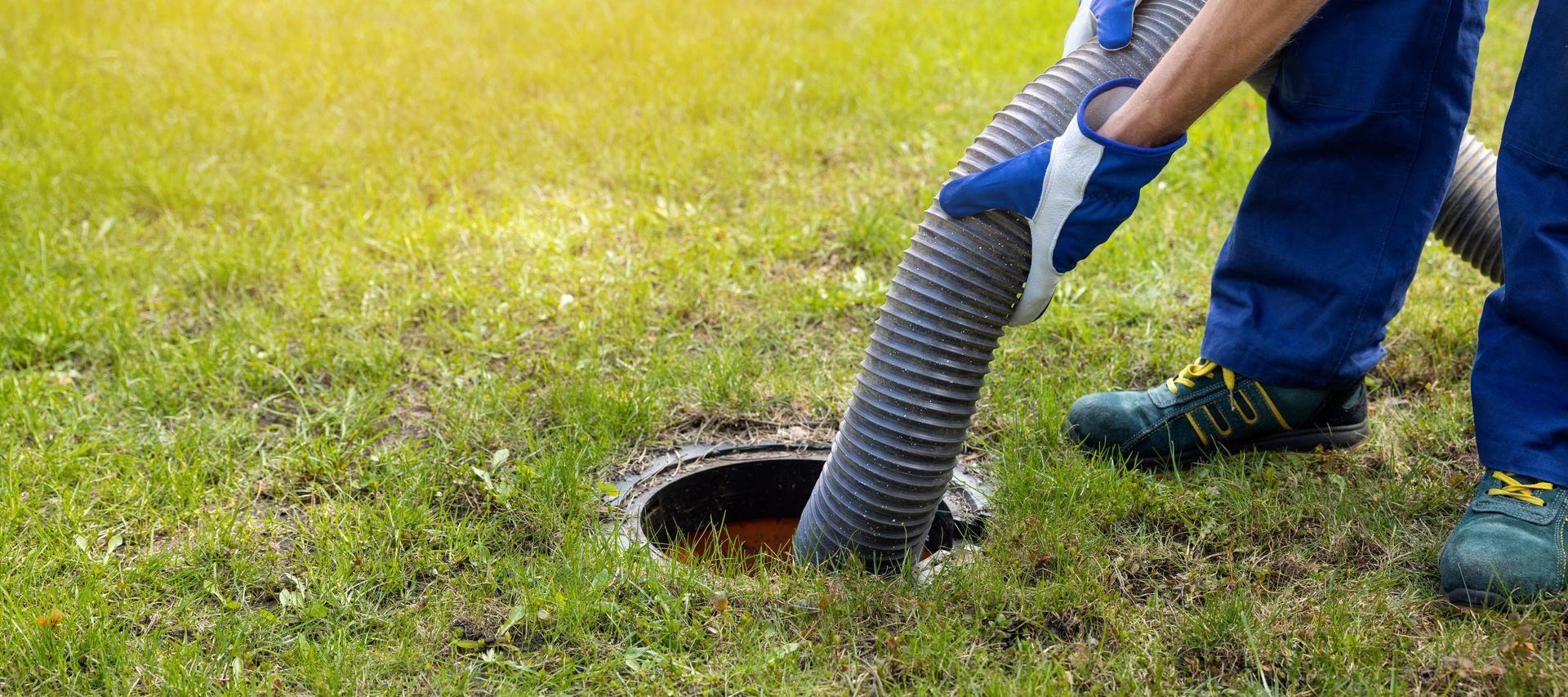
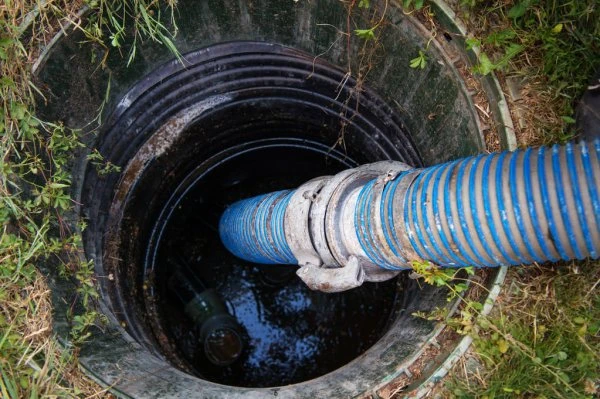
Your septic tank will be uncovered by a septic professional during a septic pumping service, and the entire tank, including any waste, wastewater, grease, and anything else lodged inside, will be pumped out into the septic service’s truck via a large vacuum. Afterwards, they will inspect the entire system, including pipes, drains, and the interior of your septic tank to ensure that nothing is damaged and everything is functioning as it should.
What Can I Do to Keep My Septic Tank Working Properly?
You must always be proactive in averting septic emergencies and not wait for something to go wrong with your system. The easiest approach to maintaining your home's septic system is to avoid flushing anything that isn't biodegradable down the sinks or toilets, including food and oil, cat or dog litter, diapers, and feminine hygiene items. Another thing is that you should never skip septic pumping when it's due, even if your tank is working just fine, to ensure that your septic system stays working at 100% efficiency.
Can I pump My Septic Tank Myself?
One of the most frequently asked questions by homeowners is if they can pump their septic tank themselves, and the answer is NO, YOU CANNOT!
It is usually better to hire a professional to pump your septic tank, and you can only do it yourself if you have the expertise, gear, and equipment needed to pump and dispose of the pumped-out waste. However, even if you pump your tank yourself, you are dealing with waste that’s toxic and hazardous to your health and should only be handled by professionals.
We hope we have answered your most pressing questions about septic systems and septic tanks. If you have more or want to schedule a septic service, you can contact the septic experts of Edgewood, 505 Portable Restrooms.












Sign in to leave a comment.