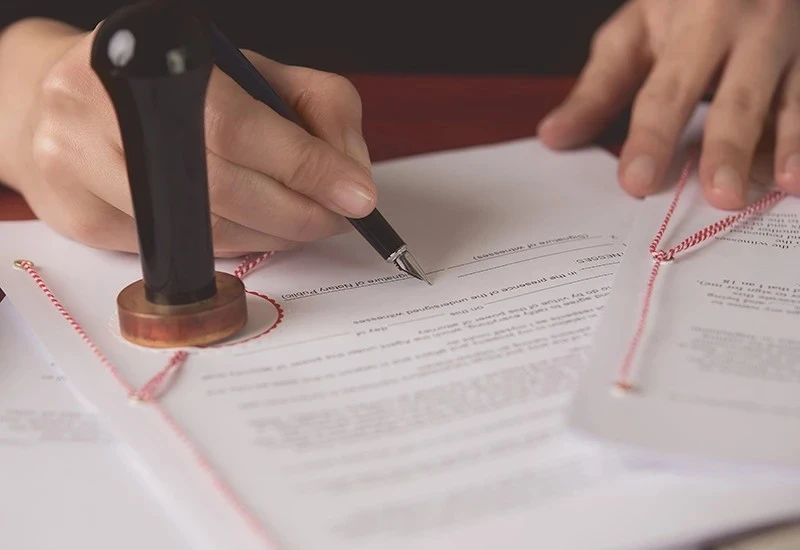

If you have ever been told that your document needs an apostille, chances are you were left with more questions than answers. You might know it is required for international use, but the actual process can feel confusing, time-consuming, and easy to get wrong.
That is usually when people start searching for apostille near me, hoping to find a local solution instead of navigating government offices, unclear instructions, and long wait times on their own.
This guide walks you through what an apostille is, why local help matters, and how to get your documents authenticated step by step without unnecessary delays or costly mistakes.
What Is an Apostille and Why Do You Need One?
An apostille is a form of authentication that makes a document legally valid for use in another country that is part of the Hague Apostille Convention. It confirms that the signature, seal, or stamp on your document is legitimate.
You may need an apostille for many reasons, including:
- Studying or working abroad
- Getting married in another country
- Applying for dual citizenship
- Conducting international business
- Handling foreign inheritance or property matters
Without an apostille, your document may be rejected overseas, even if it is perfectly valid in the United States.
Read More - Notarize Documents for Elderly Clients: Best Practices
Why Searching for Apostille Near Me Makes Sense
When time matters, local support can make a real difference. Choosing a nearby provider instead of trying to manage everything remotely often saves you stress and prevents errors.
Working with a local apostille near me service helps you:
- Confirm document eligibility before submission
- Avoid sending incorrect paperwork
- Reduce mailing delays
- Get clear, personalized guidance
- Resolve issues quickly if something goes wrong
Local professionals understand state-specific requirements, which is critical since apostille rules vary depending on where your document was issued.
Step 1: Identify the Type of Document You Have
Before anything else, you need to know what kind of document requires authentication. Apostille eligibility depends on both document type and issuing authority.
Common documents include:
- Birth and death certificates
- Marriage certificates
- Divorce decrees
- Diplomas and transcripts
- Power of attorney
- Court records
Some documents must be notarized first, while others must be issued directly by a government office. Skipping this step leads to rejection.
Step 2: Check Whether Notarization Is Required
Not every document needs notarization, but many do. For example, personal affidavits, authorization letters, and power of attorney documents usually must be notarized before apostille processing can begin.
This is where many people make mistakes by notarizing documents incorrectly or using the wrong type of notary certificate. A small error can invalidate the entire submission.
Having someone review your document before notarization can save days or even weeks.
Step 3: Confirm the State That Must Issue the Apostille
Apostilles are issued by the Secretary of State in the same state where the document originated or was notarized.
That means:
- A California-issued document must be apostilled in California
- An Illinois-issued document must be apostilled in Illinois
Submitting your document to the wrong state office is a common and costly mistake.
Step 4: Understand How Apostille Services Work Together
In many legal situations, apostille services overlap with other legal processes. For example, documents may need to be served, signed, notarized, and authenticated in a specific order.
This is especially true when legal notices are involved and a process server is part of the process. Coordinating these steps incorrectly can lead to delays or rejected filings.
Professionals who understand how these services connect help ensure nothing is done out of sequence.
Step 5: Decide Between Doing It Yourself or Using a Local Service
You technically can handle apostille requests on your own. However, doing it yourself often involves:
- Multiple government websites
- Confusing instructions
- Mailing original documents
- Long processing times
- Risk of rejection
Local services streamline the process by reviewing your documents upfront, submitting them correctly, and tracking progress until completion.
If timing, accuracy, or document security matters, local assistance is often worth it.
Step 6: Know What an Apostille Notary Near Me Actually Does
Many people assume apostille services and notaries are the same thing. They are related but not identical.
An apostille notary near me helps ensure documents are properly notarized and prepared before submission to the Secretary of State. They understand which notarization format is acceptable for apostille purposes.
This prevents:
- Incorrect certificates
- Missing seals
- Improper signatures
- Rejected applications
That extra layer of review can save significant time.
Step 7: Apostille Marriage Certificate Requirements
Marriage certificates are one of the most commonly apostilled documents, especially for international weddings, visa applications, and residency processes.
An apostille marriage certificate must usually be:
- A certified copy
- Issued by a government authority
- Free of lamination or damage
Photocopies and unofficial versions are not accepted. Many rejections happen because people submit the wrong version of the certificate.
A local service can confirm whether your copy meets state and international requirements before submission.
Common Mistakes That Delay Apostille Processing
Even small errors can cause major delays. Some of the most common mistakes include:
- Submitting notarized documents that do not qualify
- Using outdated notary certificates
- Sending documents to the wrong state
- Missing required forms or fees
- Failing to verify destination country requirements
These mistakes often force applicants to start over, adding weeks to the timeline.
Why Local Knowledge Matters More Than You Think
Each state has its own apostille office procedures, processing times, and submission rules. Local providers know how these offices operate and what they expect.
They understand:
- Which documents are accepted
- How to avoid common rejections
- How long processing typically takes
- When expedited options are available
That local insight reduces uncertainty and speeds up the process.
When Apostille Services Are Time-Sensitive
Some situations leave little room for error or delay, such as:
- International weddings with fixed dates
- Visa or immigration deadlines
- Overseas job offers
- Legal proceedings abroad
In these cases, having local professionals handle the process can be the difference between meeting your deadline and missing it.
Read More - Mobile Notaries: Key Players in Estate Planning
Conclusion
Getting an apostille does not have to feel overwhelming or confusing. When you understand the steps and work with knowledgeable local professionals, the process becomes much more manageable.
Searching for reliable local help allows you to avoid common mistakes, reduce delays, and feel confident that your documents will be accepted abroad. Whether you are authenticating a marriage certificate, legal document, or personal record, the right guidance ensures everything is done correctly the first time.
Apostille services are not just about paperwork. They are about protecting your time, your plans, and your peace of mind.
Frequently Asked Questions
How long does apostille processing take?
Processing times vary by state and document type. Some requests are completed in days, while others may take longer depending on volume and submission method.
Can I apostille a photocopy?
In most cases, no. Apostilles typically require original or certified copies issued by the appropriate authority.
Do all countries accept apostilles?
Only countries that are part of the Hague Apostille Convention accept apostilles. Other countries may require a different form of authentication.
Does notarization guarantee apostille approval?
No. Notarization must be done correctly and meet state-specific requirements. Incorrect notarization is a common reason for rejection.
Is local help really necessary?
While not required, local expertise often prevents errors, reduces delays, and saves time, especially for first-time applicants.












Sign in to leave a comment.