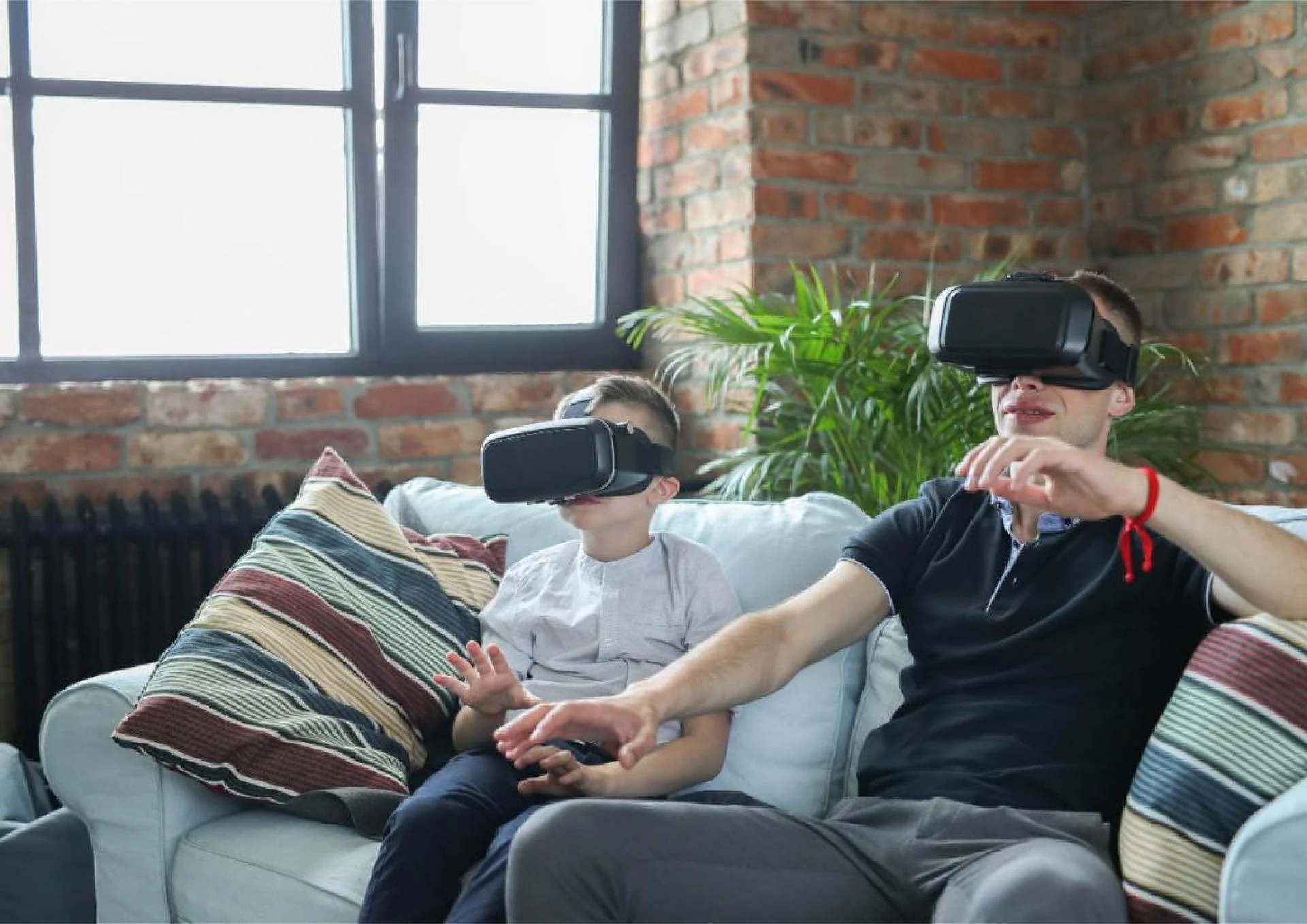

In the world of gaming, Augmented Reality (AR) and Virtual Reality (VR) are two of the most exciting technologies making waves. But how do they differ, and which one is more likely to shape the future of gaming? Let’s dive into the differences and potential of each to see which might lead the charge in shaping gaming’s future. If you’re interested in developing games for AR and VR, there are many game development courses available that can teach you the skills needed to create immersive experiences. These courses cover topics such as programming, design, and the specific tools and techniques used in AR and VR development, preparing you to contribute to the future of gaming.
What is Augmented Reality (AR)?
Augmented reality (AR) adds digital things to what you see in the real world. Using devices like smartphones or special glasses, AR shows virtual images or information on top of your actual surroundings, making it look like the digital content is part of your environment. AR keeps you connected to your surroundings while adding an extra layer of digital fun.
What is Virtual Reality (VR)?
Virtual Reality (VR) is a technology that creates a completely digital world you can explore. When you put on a VR headset, it blocks out the real world and immerses you in a virtual environment where you can see and interact with things as if you were actually inside that digital space.
Comparing AR and VR in Gaming
Immersion and Engagement:
AR: Enhances your real-world environment with digital elements. It’s great for games that blend reality with virtual fun, encouraging players to move around and explore their actual surroundings.VR: Offers a fully immersive experience by creating a completely virtual environment. This can be more engaging for players looking for deep immersion and new experiences that are not bound by the real world.Equipment and Accessibility:
AR: Often uses devices like smartphones or tablets, which many people already have. This makes AR games generally easier and more affordable to access.VR: Requires specialised equipment like VR headsets and sometimes additional accessories. While this can offer a more intense experience, the need for extra gear can be a barrier for some players.Social Interaction:
AR: Allows players to interact with each other in real-world spaces. It’s perfect for group play and social gatherings, as you can share the experience with friends around you.VR: Enables social interactions in a completely virtual space. You can meet and play with others from anywhere in the world, which can create a sense of community and shared experiences even if you’re physically apart.Job Roles in AR and VR Game Development
AR Designer and Developer VR Designer and Developer UX Designer Design Architect Graphic Designers Game Designer Rigger VR Sound Effects SpecialistIn conclusion
Both AR and VR game development are important for the future of gaming. AR is expected to become a bigger part of daily life, adding fun elements to everyday moments and encouraging movement. It’s easy to use and ideal for casual play. VR, on the other hand, provides deeply immersive experiences, taking you to completely new worlds.
In the future, it may not be about choosing one technology over the other. Instead, AR and VR can work together to create exciting new ways to play and explore. If you're interested in developing games for these technologies, there are many game development courses available to help you learn the skills needed for creating impressive AR and VR experiences. For expert guidance and to learn cutting-edge technologies in AR and VR game development, connect with us.












Sign in to leave a comment.