Tankless water heaters offer on-demand hot water without storing large volumes in a tank. For large families in Vancouver, WA, reliability depends on proper sizing, system capacity, and household usage patterns. When correctly installed, tankless systems can meet high-demand needs efficiently.
This guide examines factors affecting tankless water heater performance, including flow rates, energy demands, and maintenance requirements. It provides actionable insights to help homeowners evaluate if this solution suits their family’s hot water needs
How Tankless Water Heaters Work for Large Households
Tankless water heaters heat water only when needed. They use high-powered burners or heating elements to provide continuous hot water, eliminating the limitations of storage tanks.
Key Performance Considerations
Large families must consider:
- Flow rate capacity in gallons per minute (GPM)
- Simultaneous usage points (showers, laundry, dishwashers)
- Energy source efficiency (gas or electric)
Properly sizing the system ensures consistent hot water without temperature drops.
Measure Peak Usage
Document the number of showers, appliances, and sinks used simultaneously to estimate the required GPM accurately. This prevents undersized installations.

Sizing and Capacity Guidelines
Selecting the right capacity is crucial for reliability. Undersized units may struggle during peak usage.
Recommended Flow Rates for Large Families
| Household Size | Recommended Flow Rate (GPM) | Notes |
|---|---|---|
| 4–5 members | 7–9 GPM | Supports two showers plus dishwasher simultaneously |
| 6–7 members | 9–11 GPM | Handles three showers or multiple appliances at once |
| 8+ members | 11–14 GPM | Requires commercial-grade or multiple units |
Accurate sizing prevents temperature fluctuations and ensures comfort for all household members.
Energy Source and Efficiency
- Gas-powered units typically provide higher flow rates for large families
- Electric units may require multiple units to meet simultaneous demand
- Look for ENERGY STAR ratings for cost-effective operation
Efficiency and energy source influence both performance and operating costs.
Maintenance Requirements
Tankless water heaters require regular maintenance to remain reliable.
Descaling and Flushing
Hard water in Vancouver can lead to mineral buildup. Steps to prevent scaling include:
- Annual flushing to remove mineral deposits
- Installing a water softener to reduce hardness
- Inspecting filters and screens regularly
Proper maintenance preserves flow rates and heating efficiency.
Bonus Tips
Schedule Professional Tune-Ups
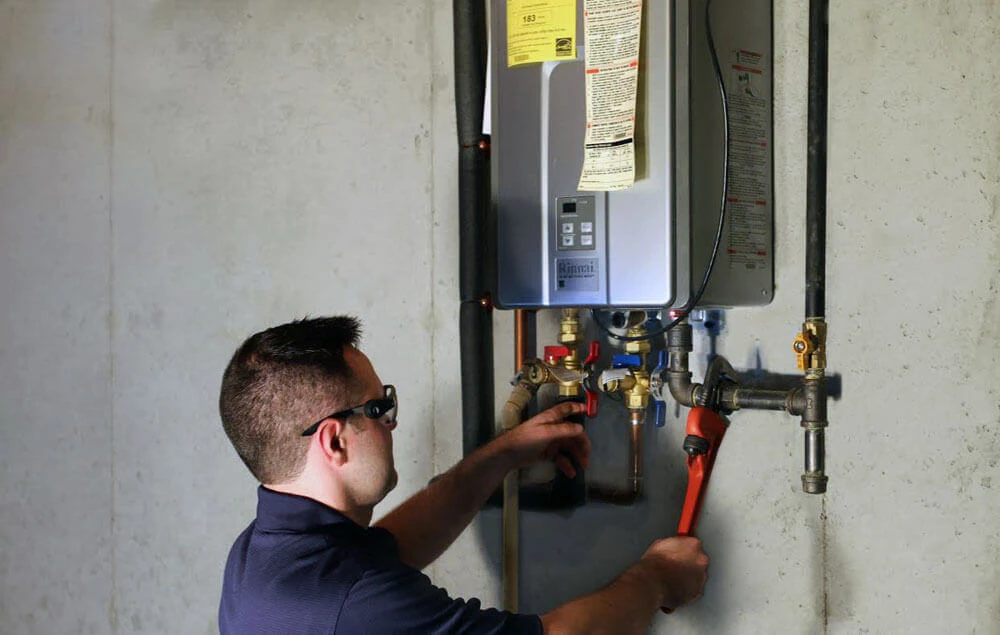
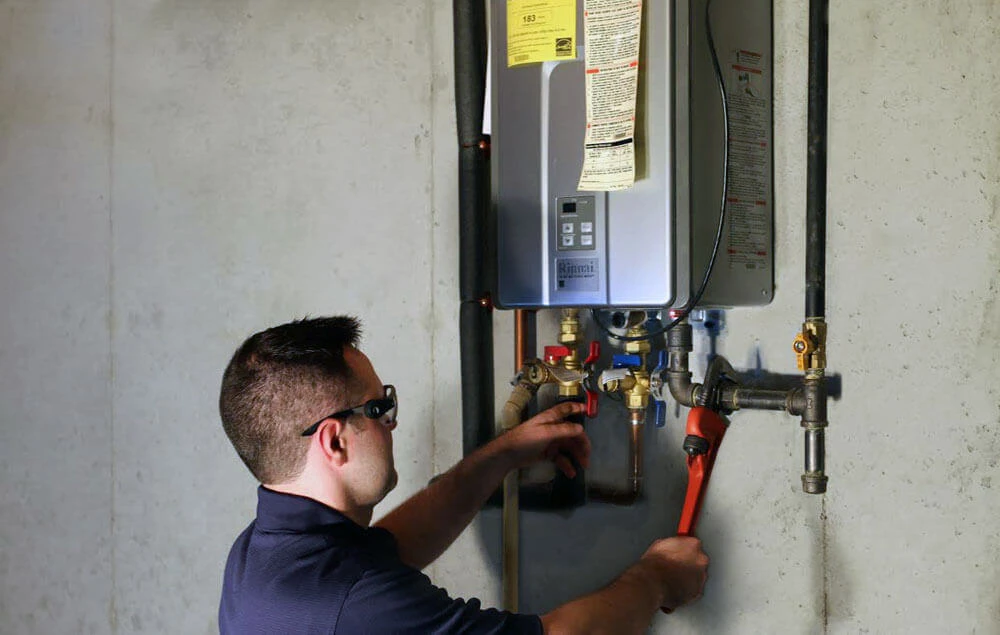
Licensed plumbing professionals can check heat exchangers, gas connections, and electrical components, ensuring long-term reliability for large households.
Installation and Location Considerations
Placement affects performance and safety. Proper installation ensures adequate ventilation and reduces heat loss.
Key Installation Factors
- Keep units close to high-demand areas to minimize pipe losses
- Ensure proper venting for gas models
- Provide accessible space for maintenance
Thoughtful installation supports consistent performance and reduces long-term issues.
Things to Consider Before Making a Decision
Homeowners should weigh:
- Peak hot water demand and household size
- Existing plumbing infrastructure and energy source
- Initial investment versus long-term savings
- Local water quality and climate factors in Vancouver, WA
Evaluating these factors helps determine whether a tankless system can reliably meet the family’s needs.
Conclusion
Tankless water heaters can be reliable for large families in Vancouver, WA when appropriately sized, installed, and maintained. Homeowners should evaluate flow rate requirements, energy source, and local water conditions to ensure consistent hot water for all household needs. Professional assessment helps achieve optimal performance and longevity.
Contact Expert Tankless Water Heater Services
For families considering tankless water heaters, Simpson Plumbing LLC provides consultations, installation, and maintenance. Homeowners can reach out at [email protected] or call their service line for expert guidance and reliable solutions.
Questions People Ask About Tankless Water Heaters
Can a single tankless unit serve a large family?
Yes, if it is properly sized and meets peak flow requirements. Multiple units may be needed for simultaneous high-demand use.
How often should tankless water heaters be serviced?
Annual inspections and flushing are recommended to prevent scaling and maintain optimal performance.
Do tankless water heaters provide continuous hot water?
They provide hot water on demand, effectively offering continuous supply as long as flow rate does not exceed system capacity.
Are gas or electric units better for large households?
Gas units generally deliver higher flow rates and are more suitable for multiple simultaneous uses in large families.
Will tankless systems save money for a large family?
They reduce standby energy losses, but savings depend on water usage patterns and system efficiency.
Author: Bethanie Anderson is the President and General Manager of Simpson Plumbing, leading the company with a focus on teamwork, integrity, and community. She continues to guide Simpson Plumbing in serving local families with trusted plumbing, remodeling, and clean water solutions.
Reviewer: With over 12 years of experience in residential plumbing services, Zoe Carter ensures every detail in this content reflects practical industry knowledge and current plumbing standards.
Sign in to leave a comment.