
A loading dock without proper safety rules in place is a constant risk. Warehouses and distribution points stay active around the clock. People are moving. Forklifts running. Deliveries are coming and going. Without clear boundaries and dependable tools that mark safe zones and direct traffic flow, the environment turns unpredictable. What happens when the basic structure of dock safety is treated as an afterthought?
Workers rely on what they see first. That’s why following clear and visible loading dock safety rules is essential for preventing confusion and keeping the pace steady. When visibility is poor or equipment is out of place, response times slow down and decisions become rushed. That’s when accidents happen. High-visibility structures built with solid material make a difference. They show where the edge begins. They show where to stop. They act like a visual wall that tells workers where to focus.
Here is more detailed information:
Clear Dock Organization Is the First Line of Safety Defense
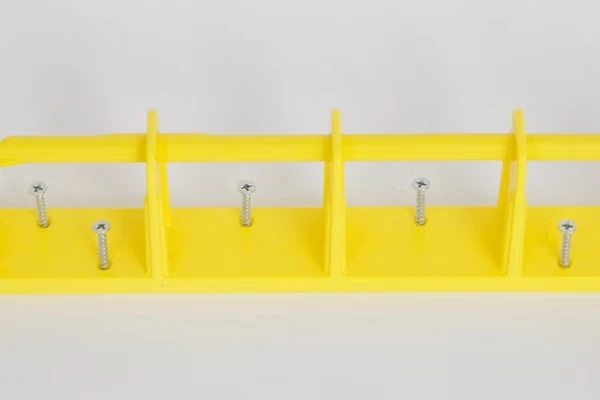
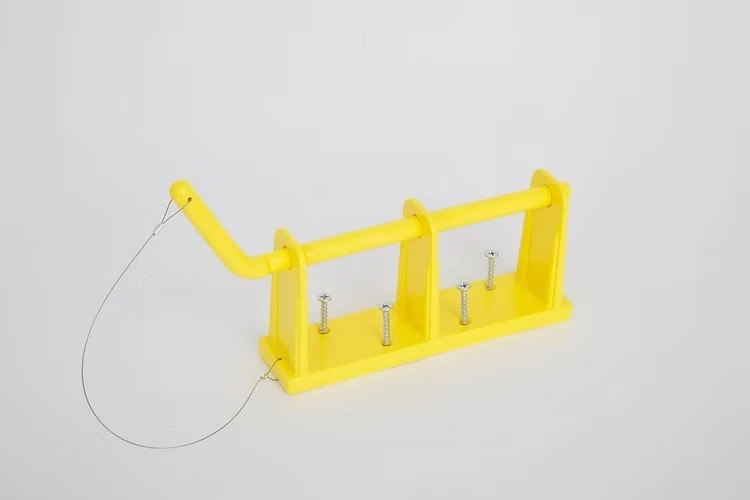
Safe docks are not just about space. They are about what fills that space. When loading gear, straps, or chains are scattered or stacked without order, the risks rise fast. Every second spent looking for a tool is another second distracted from staying alert. A wall-mounted rack helps fix that without needing a complex setup. It holds straps, ropes, or tie-downs in separate slots. Each item has a place. That brings order and keeps workers moving without confusion. When things are easy to grab and easy to return, there is no pileup. No mess. Just a consistent pattern that keeps the work smooth and the walking paths clear.
The Right Equipment Helps Meet Safety Requirements Without Complexity
Safety rules are not only written on paper. They show up in how a dock looks and functions every day. To follow safety expectations, gear must be installed where it can do the job. A rack with strong support and high visibility is one of those tools. It provides a clean layout for storage. It shows everyone on site where to go and where not to. The design matters. Color matters. Placement matters. When the system reflects well-defined loading dock safety rules and is appropriately mounted and used as intended, it helps meet inspection standards and reinforces daily routines. And the benefit is simple. Fewer errors. Fewer delays. Fewer risks.
Reliable Construction Is Key in High-Traffic Loading Zones
Everything on a dock must be able to handle real use. That includes racks and storage units. Thin plastic fades and cracks. Loose frames become unstable. Materials that bend or chip under pressure lose their purpose fast. Steel-built structures with a protective finish stay in place no matter what hits them. When the setup stays consistent, workers know what to expect. A rack that can take repeated contact from tools or carts without shifting adds to the safety rhythm of the space. There is no guesswork. No worries about breaks. Just a consistent structure that supports the rules and holds up to the job.
Final Thoughts
Rules at a loading dock are there to prevent mistakes that hurt people and slow down the work. When the right tools are placed in the right spots and built to last, those rules are not just followed. They are practiced. Visual control, safe storage, and solid construction are not extras. They are needed to keep teams protected and productive. Well-placed systems that support OSHA rack safety help reinforce these routines without needing constant reminders. Every part of the dock setup should guide behavior without saying a word. That is what helps a workspace stay clear, consistent, and safe every single day.
Footnote
Order the wall-mount system designed for visible safety and organized storage. Create a dock space that supports smart movement and keeps essential gear ready without blocking critical zones.











Sign in to leave a comment.