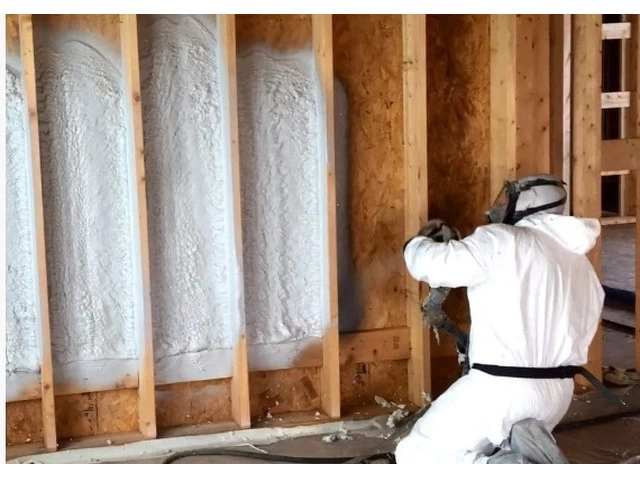

Choosing a spray foam insulation company shouldn’t come down to guesswork or going with the cheapest option. The wrong decision can lead to underperforming insulation, hidden damage, wasted money, or even code violations. While spray foam is one of the most effective insulation options available today, poor application or the use of substandard materials can quickly turn a smart investment into a frustrating and expensive problem.
In this guide, we’ll explain what to watch out for when hiring a spray foam insulation contractor in Leander, TX. We’ll walk through the most common mistakes people make and give you a clear framework to avoid them. You’ll also find comparison tables, technical data, and things to consider before hiring anyone.
Most Common Mistakes People Make When Hiring a Spray Foam Insulation Company
Hiring Based Solely on Price
One of the biggest missteps homeowners make is treating insulation like a commodity. It’s not a flat-pack product—it’s a building system. The cheapest bid often cuts corners. That might mean watered-down materials, untrained crews, or rushed work. When it comes to spray foam, mistakes during installation are hard to see right away but show up months later through higher energy bills, moisture damage, or poor comfort levels.
The goal isn’t just to save on the initial install—it’s to make sure your home or building stays sealed and efficient for years. A few hundred dollars saved up front can easily become thousands in energy loss or removal costs down the road.
Skipping License and Insurance Checks
You’d be surprised how many spray foam jobs in Leander happen without anyone asking for proof of license or insurance. Texas does not require a specific spray foam license, but professionals should still carry general liability insurance and be certified by foam manufacturers. Manufacturer certification shows they’ve been trained to use the material properly.
If an accident happens on-site or something goes wrong later, proper insurance protects you. Without it, you're liable. Never assume—it’s worth asking for documentation.
Comparing Foam Types for Your Project
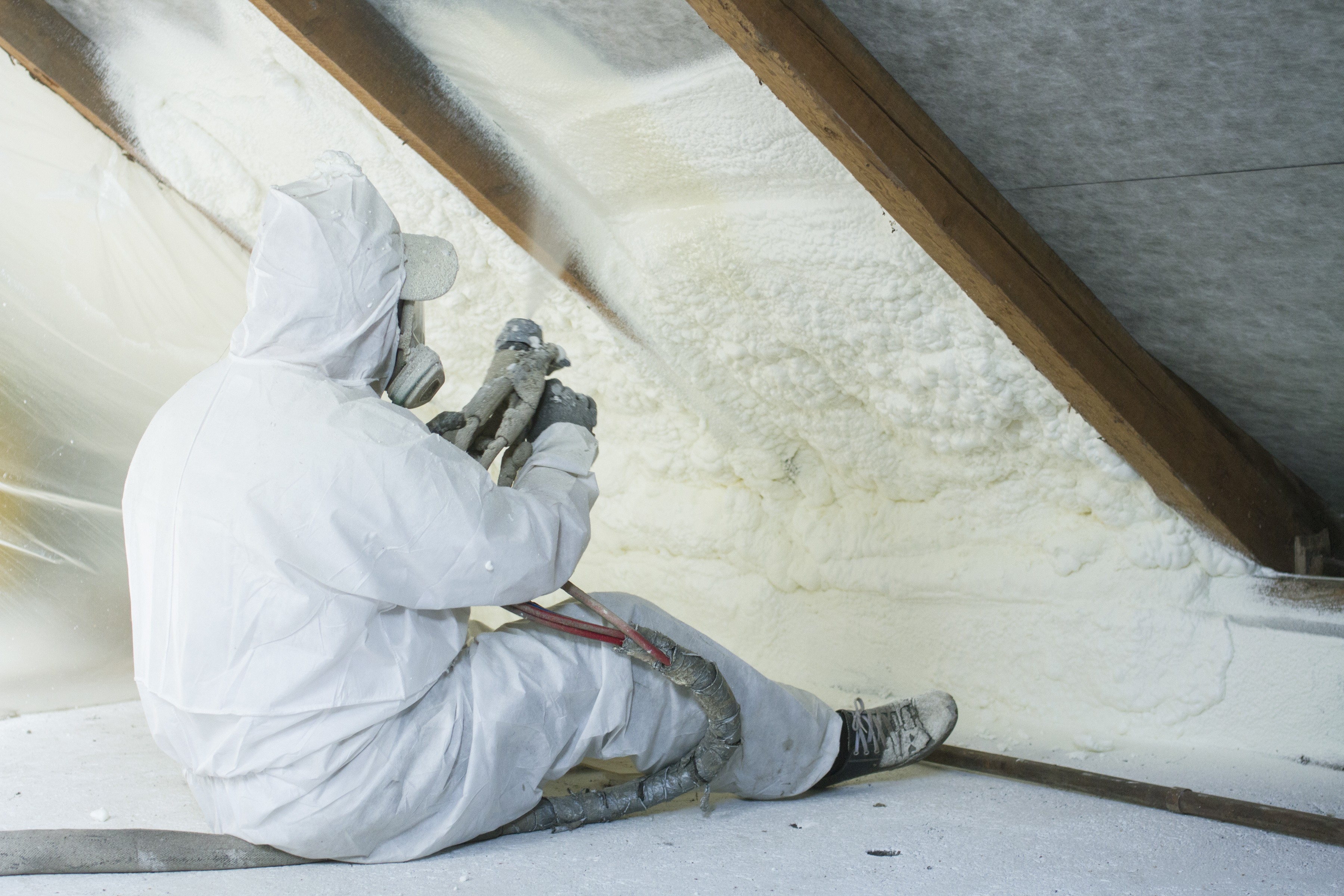
Choosing between open-cell and closed-cell spray foam insulation in Leander isn’t a guess—it’s a technical choice. Each has strengths, and using the wrong type in the wrong area can cause issues like mold, air leaks, or even failed inspections.
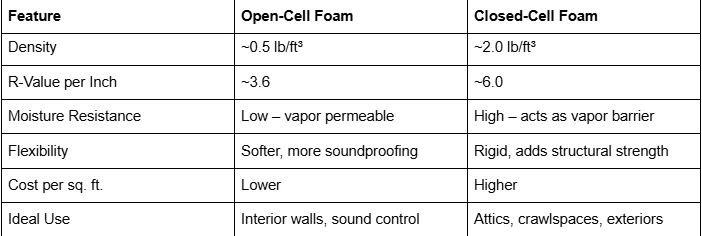
Closed-cell spray foam is best where moisture, air movement, or added strength is needed—like roofs or basements. Open-cell, on the other hand, is better where breathability or noise reduction matters.
Why On-Site Assessments Matter
Some companies offer estimates over the phone. That might seem convenient, but it’s not how high-quality insulation jobs should start. Every building has unique challenges—thermal bridges, framing styles, vapor needs, and air leakage points. A professional should visit the site, inspect every insulation zone, and explain which foam type and thickness makes sense.
A rushed or generic quote can miss critical details. If the installer doesn’t look at your attic vents, wall construction, or HVAC placement, that’s a red flag. Solid spray foam insulation services always start with a physical walk-through.
Technical Specs That Make a Difference
Spray foam isn’t all the same. Small details like temperature range, expansion rates, and fire resistance ratings matter. Professionals know which product lines work best for Leander’s mixed climate and building codes.
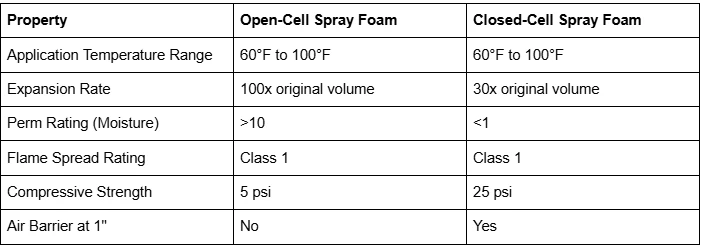
Spray foam insulation in Leander must account for high summer temperatures and potential humidity swings. Closed-cell’s moisture barrier is often necessary in roof decks and crawl spaces.
How to Evaluate a Spray Foam Insulation Company
Look beyond the sales pitch. A good insulation professional should be able to answer detailed questions about building science, foam chemistry, and regional codes. If they sound unsure or vague when you ask about vapor barriers, roof decks, or ventilation, they may not be qualified.
Here are things to check:
- Experience with similar structures: A spray foam contractor who mostly does barns might not be the best fit for a custom home with HVAC in the attic.
- Material transparency: They should clearly state what foam brand they’re using and provide data sheets.
- Project photos: Seeing their work on buildings similar to yours helps gauge their attention to detail.

Things to Consider Before Making a Decision
Before choosing a spray foam insulation company, take a step back and think through these elements.
Local Climate
Leander’s long hot seasons and potential humidity make certain foam products more practical than others. In many cases, using closed-cell spray foam in rooflines and crawlspaces helps guard against moisture while keeping air leakage under control. For interior partitions, open-cell foam offers good sound absorption without trapping moisture.
Existing Insulation
Older homes often have fiberglass or cellulose insulation. If it's contaminated with rodent waste, mold, or moisture, it should be removed before spray foam is applied. Some spray foam products can be layered over older materials, but only after inspection.
Building Use
A commercial metal building has different needs than a two-story home. Think about noise control, HVAC layout, moisture sources, and whether the building is conditioned or unconditioned. These impact foam type and thickness.
Warranty and Product Backing
Avoid verbal promises. A written warranty—backed by both the installer and the product manufacturer—is essential. Look for coverage on foam performance, separation, shrinkage, and moisture failure.
Bonus Tips
- Always ask for the product data sheet of the foam being used. This outlines the foam's fire rating, moisture resistance, and approved uses.
- Look up their Texas Secretary of State business listing to confirm how long they’ve been active in the area.
- Don’t accept bids that only quote by square footage. The final cost should be based on surface condition, thickness required, and complexity of access.
Common Questions
Can I install spray foam myself? DIY kits exist but are not recommended. Even minor errors can cause off-ratio mixing, leading to foam shrinkage, odor issues, or even toxic exposure.
Is foam insulation safe after curing? Yes. Once it cures, it becomes chemically inert. Proper ventilation during install ensures fumes don’t linger.
How thick should spray foam be? It depends on where it's used. Closed-cell typically requires 2–3 inches for roofs and exteriors. Open-cell ranges from 3 to 5 inches in walls for code compliance.
Can spray foam be applied in cold weather? Yes, but only with the right material and equipment. Some closed-cell foams are rated for application as low as 40°F, but results vary.
What makes a spray foam job fail? Most failures come from incorrect mixing ratios, wrong foam type, or bad surface prep. That’s why certified professionals matter.
Final Thoughts
Choosing the right spray foam insulation company in Leander, TX is less about who offers the lowest price and more about who understands your building’s needs. Avoid shortcuts. Insist on detailed site assessments, proper credentials, and a clear understanding of the foam types being used. Remember—once spray foam goes in, it’s there to stay. Quality work today saves money, time, and frustration for decades to come.
Ready to Achieve Long-Term Energy Efficiency?
Apply these insights now. Schedule your insulation evaluation with a team that understands Leander’s climate and your building’s needs.
Contact Spray Foam Tech 📞 (737) 777-9590 ✉️ [email protected]
Reviewer: Maria Lopez reviewed the article and brought 12 years of insulation industry experience to improve the guidance. Practical tips were added, and the content was made clearer and more useful for contractors working in the field every day.










Sign in to leave a comment.