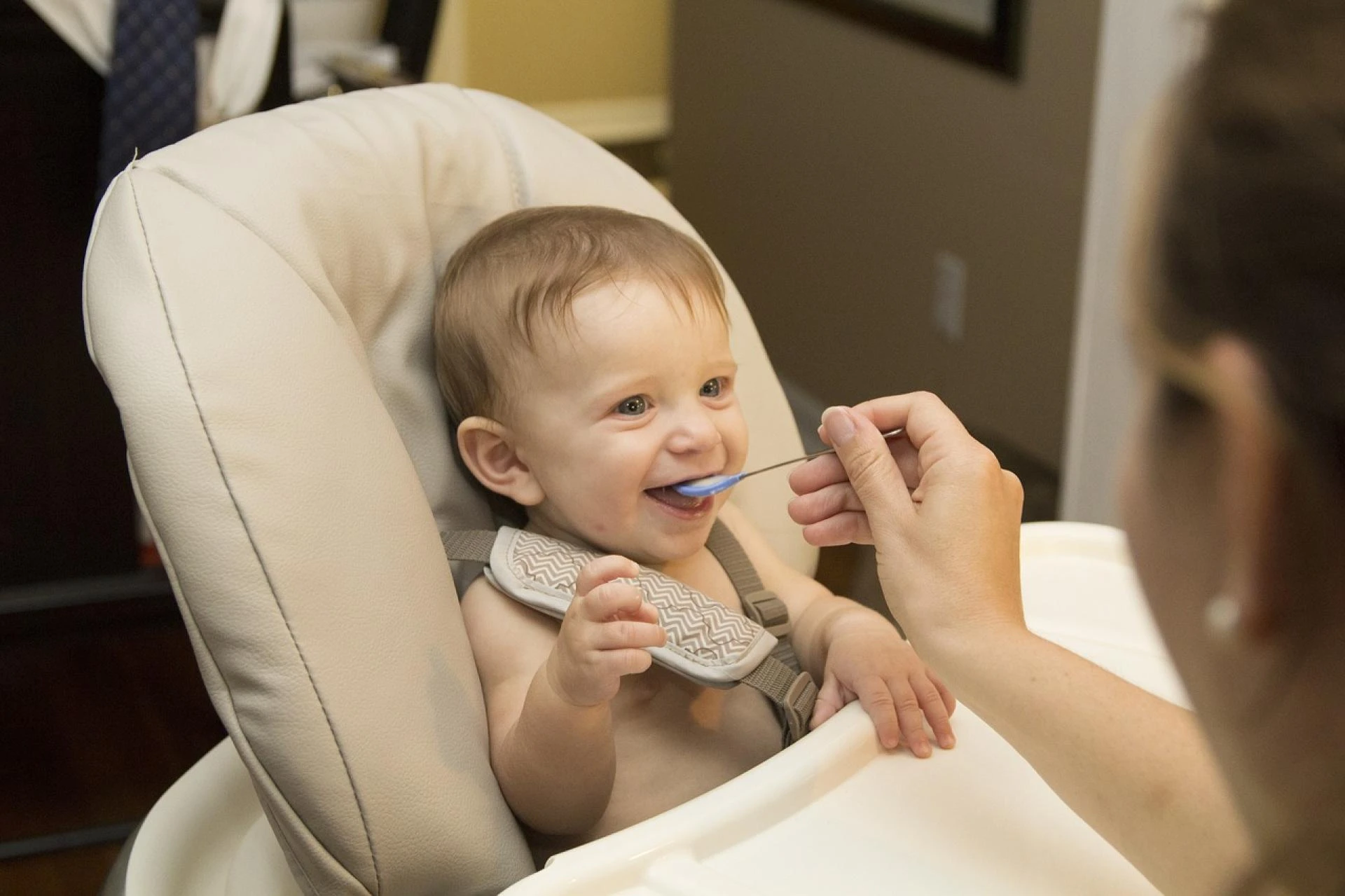

Congratulations! Your baby is now at the half-year mark. Within just the initial six months, she's taken in all the nutrients from breast milk. Now is the time for your baby to start eating solids and enjoy their taste.
The baby's digestive enzymes develop between 4 to 6 months, which are essential in the digestion of food. It is recommended to wait until your baby's enzymes are completely developed.
Babies typically begin developing head control between 3-4 months and gain strong head and neck muscles by the age of 6 months. A good head-to-neck control can help the baby easily take solids and swallow them.
By six months, the baby has a stronger digestive system and better head control, both of which are essential before the introduction of solid foods.
Breast milk is the most effective choice for the overall development of a newborn. It is advised to exclusively breastfeed a baby during the first six months.
However, it is not the only option; formula milk can be an alternative for mothers unable to breastfeed their baby because of personal, professional or other medical reasons.
How do you know your baby is ready to start solids?
The baby's head and neck are in a stable position. This means the baby can accept the food and swallow. Baby must be able to sit stable with or without support. Shows interest in food while other people are eating. Baby must be able to open their mouths when food is served. Baby is still hungry even after formula feeding or breastfeeding.
Tips on how to start solids for baby
Always begin with one food item. You can choose a fruit, vegetable or grain. Do not start with mixtures of food. You can offer mashed fruits first. The presence of digestive enzymes in fruits assists the baby in digesting them more easily. After a week, while you continue to feed the fruits, you can begin with rice water (kanji), then clear dal soup or boiled vegetable broth. Be sure to follow the 3-day wait rule for every new food you introduce. You should wait for the results until the fourth day. Consult your doctor immediately if your baby's skin starts to itch or develops a runny nose, watery eyes, colic, etc. Try new meals with your child in the morning or at lunchtime. Do not introduce new foods during the later time of the day because it is simple to achieve an understanding of the issues. A 6-month baby can first eat a teaspoon of mashed food. Gradually, after four weeks, increase the amount to 1 tbsp and then more.
Food Ideas For 6 Months Baby
The first meals served to a baby are known as stage 1 baby food. They are strained and pureed to ensure that babies can swallow and take them in quickly. They're not high on allergy grades. However, you should consult an experienced paediatrician prior to introducing any new food items to your child.
Here are a few of the most nutritious foods for a six-month-old baby:
1.Milk
Continue formula or breast milk for your baby since it is the primary source of nutrition for babies until the age of one. You can breastfeed your baby every two to three hours or as needed. You can also offer 24-37 ounces of formula milk each day.
2.Stage 1 fruits
Apricots, avocados, apples, mangos, bananas, peaches, nectarines, papaya, plums, pears, kiwi and pumpkins make wonderful food choices for babies' first meals. Make sure you include fruits in puree or mashed form only.
3.Stage 1 veggies
Babies can digest cooked and mashed vegetables like beans (green), carrots, sweet potato, green peas, squash, baby marrow, potatoes, pumpkin, and butternut.
4.Water
Give boiled and cooled-to-room-temperature water to your baby at least thrice a day. Give water after eating but not during meals, as it can decrease the amount of food consumed.
Cereals and pulses
Cereals and pulses like barley, rice, oats and lentils are a source of vital nutrients such as minerals and proteins for infants and toddlers. Cook these food items until they're soft, and mash them.
Meat
You can also add pureed and stewed poultry and fish (less in mercury) to your child's diet. Be sure to remove bones before serving these meals.
Food Chart For Six-Month Baby
You can make a 6 month baby food chart according to these guidelines:
Wake-up time: Breast milk or formula. Keep breastfeeding throughout the entire day.Breakfast: Fruit mash or vegetable mashLunch: Cereals like barley, rice or oats.Snacks: Fruits or vegetable pureesDinner: Veggies, fruit mix or grains
Keep in mind that you are creating the chart for your reference only. There is no need to adhere to a timetable strictly. Give solids and milk in a way that is convenient for you and acceptable to your baby.
Make food so delicious that your baby would not mind eating at any time of the day.
Caution While Preparing Baby Food
Avoid added sugar or salt at this age. You can incorporate other spices like crushed cumin, garlic powder, and ground coriander. When you introduce allergen foods, make sure you individually include them. This will enable you to identify what food triggers allergic reactions.
Don't give cow's milk to babies younger than one-year-old. Also, avoid honey since it may contain spores that cause botulism.Do not give slices of fruits or any other finger foods to a six-month-old, as it may choke them.Do not buy baby food from stores because they are usually sweet, acquainting your baby with the taste of sweets instead of healthy natural food items.Start with one of the fruits at a time and test for allergic reactions. You must follow a four-day wait rule between two food items.Feed your baby in a tranquil and relaxing space.Make baby food in glass or steel containers. Do not use plastic containers, even if they're food-grade.Serve water in a sterilized glass or steel cup but not in a sipper or feeding bottle.Avoid biscuits because they are made of refined flour, preservatives, and added sugar.Make sure you wash your hands before feeding your child.
CONCLUSION-
The birth of a child is among the most exciting and transformational experiences that a person can undergo. The moment you find out that you're expecting, your world is forever changed. There is unimaginable happiness when you learn that you will become a parent, and the excitement of meeting your baby child can be overwhelming at times.
But it's important to keep in mind that being a parent is not all rainbows and sunshine. The process can be a stressful and overwhelming experience, particularly at the beginning. Lack of sleep, the constant attention and care required by a newborn, and adjusting to a new routine can be difficult sometimes.
When you welcome baby girl to your home and family, make sure you take good care of yourself as well. It's essential to focus on self-care. Do not be afraid to ask for help from your friends and relatives, and don't get too harsh on yourself when things don't go as planned. You're doing a fantastic job, and your dedication and affection for your child will shine through in everything you do.











Sign in to leave a comment.