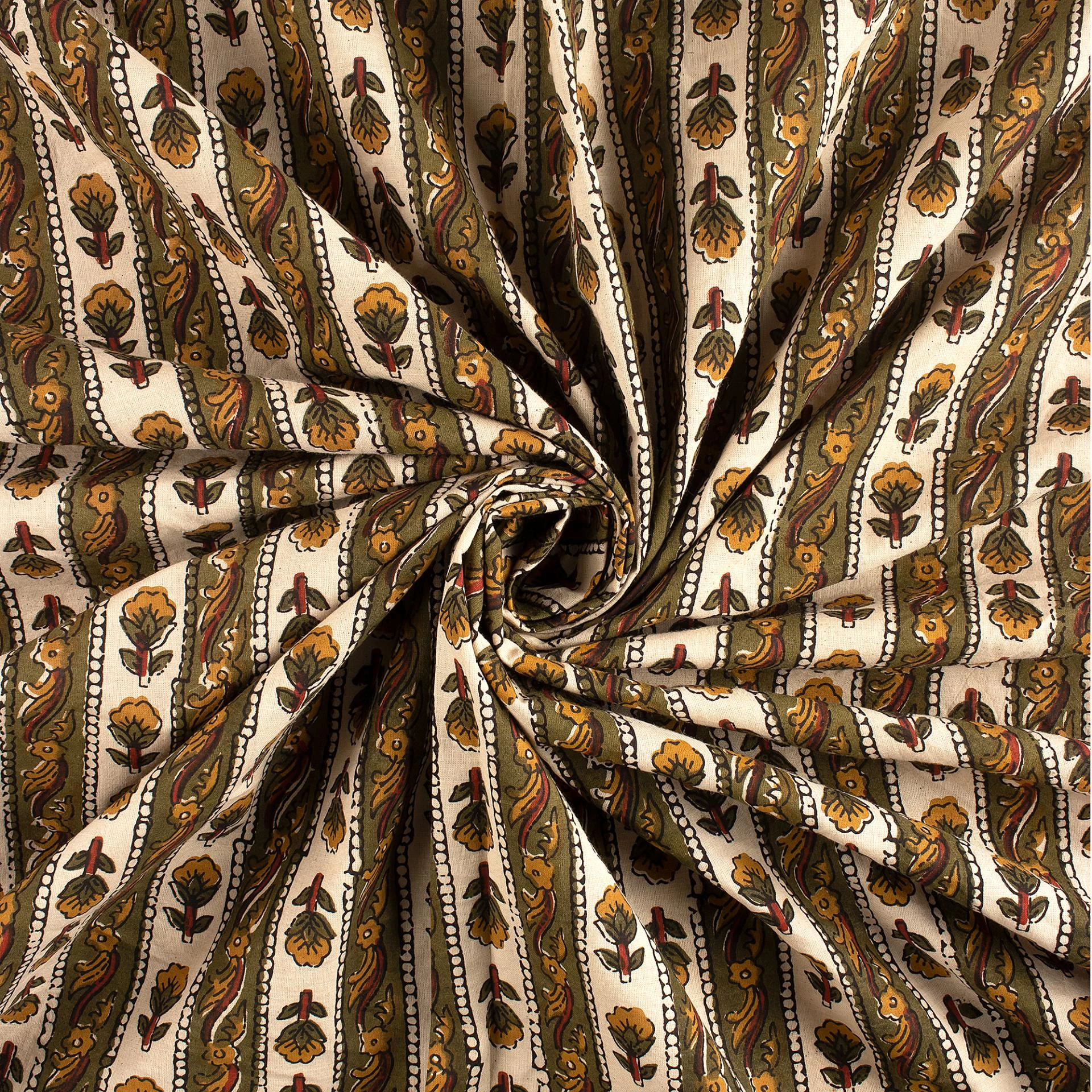
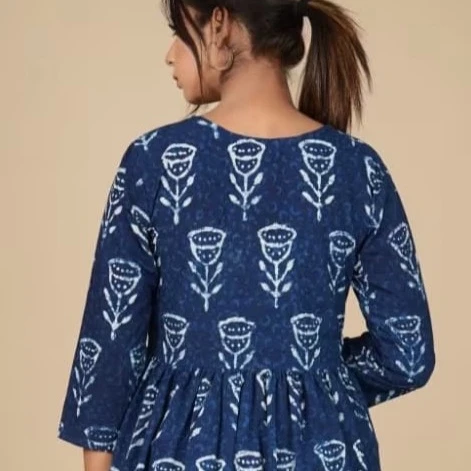
Bagru print fabric is a timeless representation of India’s rich textile heritage, originating from the small town of Bagru in Rajasthan. Known for its earthy tones, natural dyes, and intricate block printing, Bagru Print fabric continues to captivate textile lovers around the world with its blend of tradition, artistry, and sustainable practices.
A Glimpse into the Past
The roots of Bagru printing date back over 300 years and are deeply intertwined with the Chhipa community, artisans renowned for their hand-block printing expertise. Passed down through generations, this traditional craft has retained its charm and authenticity, keeping alive a slow fashion movement in a fast-paced world.
The Art of Making Bagru Fabric
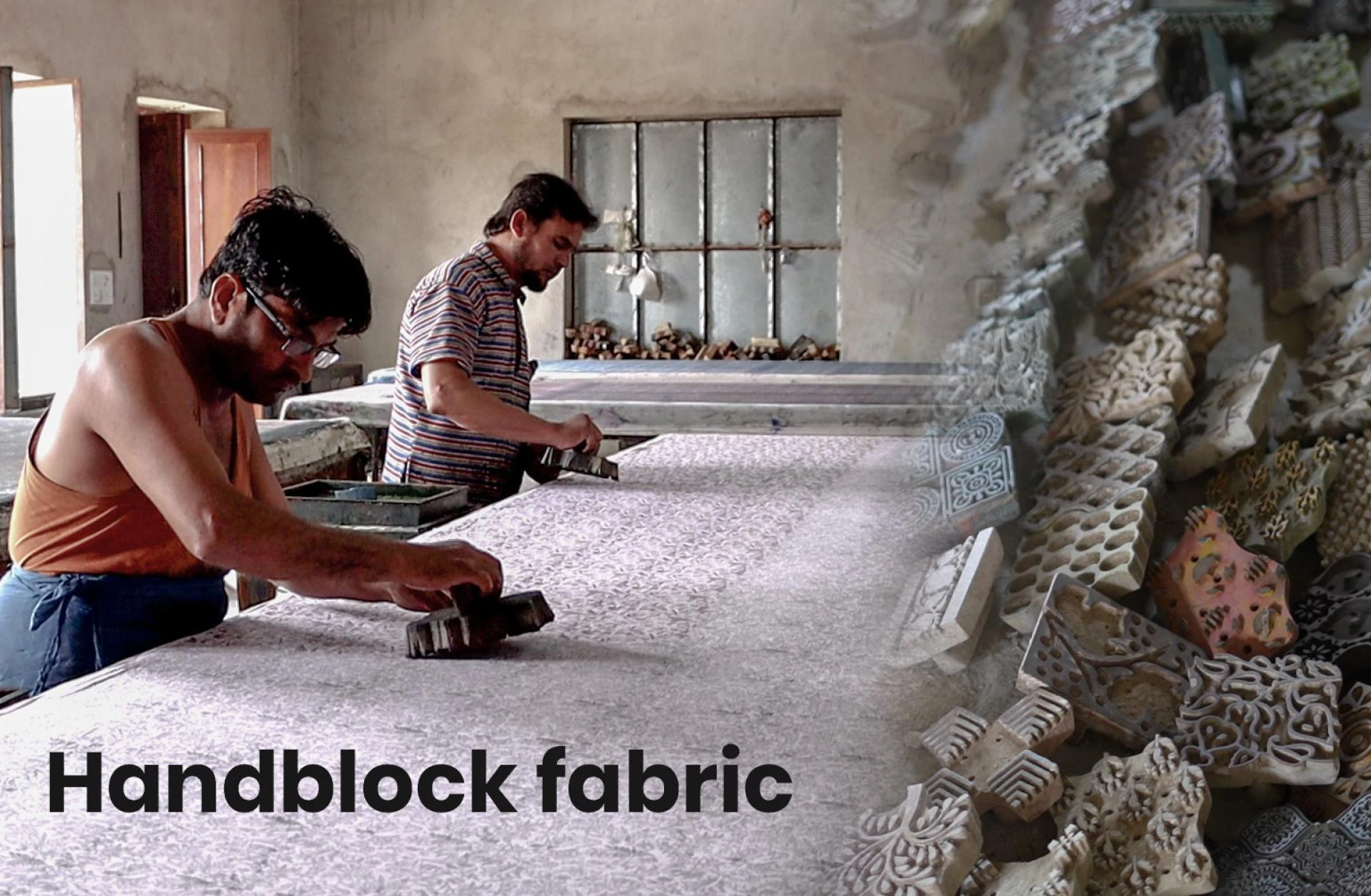
What sets Bagru print apart is its unique process of hand-block printing using natural dyes. Artisans use carved wooden blocks to stamp patterns onto fabric with stunning precision. The fabric—usually cotton or silk—is pre-washed with a mixture of fuller’s earth and turmeric to soften and prepare it for dyeing.
Each colour and motif is layered carefully using different blocks. The colour palette often includes indigo, rust red (made from alum and madder root), black (from iron rust), and yellow (from pomegranate rinds)—all derived from organic sources.
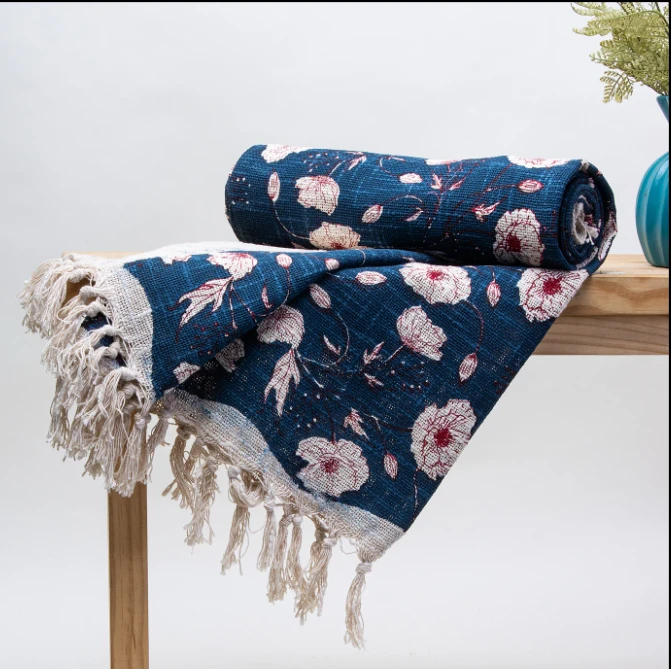
The final fabric is then washed and sun-dried, letting the prints set naturally. The result is a soft, breathable textile adorned with floral, paisley, or geometric motifs, often symbolic of Rajasthani culture and folklore.
Sustainable and Ethical
One of the standout features of Bagru print fabric is its eco-friendly approach. With natural dyes, water-conscious processes, and minimal use of electricity, this textile is a beacon of sustainable fashion. Additionally, purchasing Bagru fabric supports local artisans, helping preserve their craft and providing livelihoods in rural communities.
In Contemporary Fashion and Design
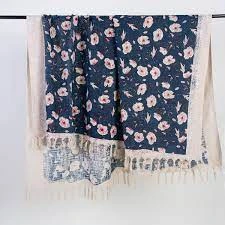
While rooted in tradition, Bagru fabric has found its way into modern fashion and interior design. Designers use it for kurtas, sarees, dresses, shirts, cushions, curtains, and even upholstery. The organic textures and timeless patterns appeal to a growing audience seeking handmade, authentic, and earth-friendly textiles.
Conclusion
Bagru print fabric is more than just cloth—it's a canvas of culture, craftsmanship, and conscious living. As the world leans toward sustainable and meaningful fashion, Bagru remains a beautiful reminder that tradition and innovation can go hand in hand.










Sign in to leave a comment.