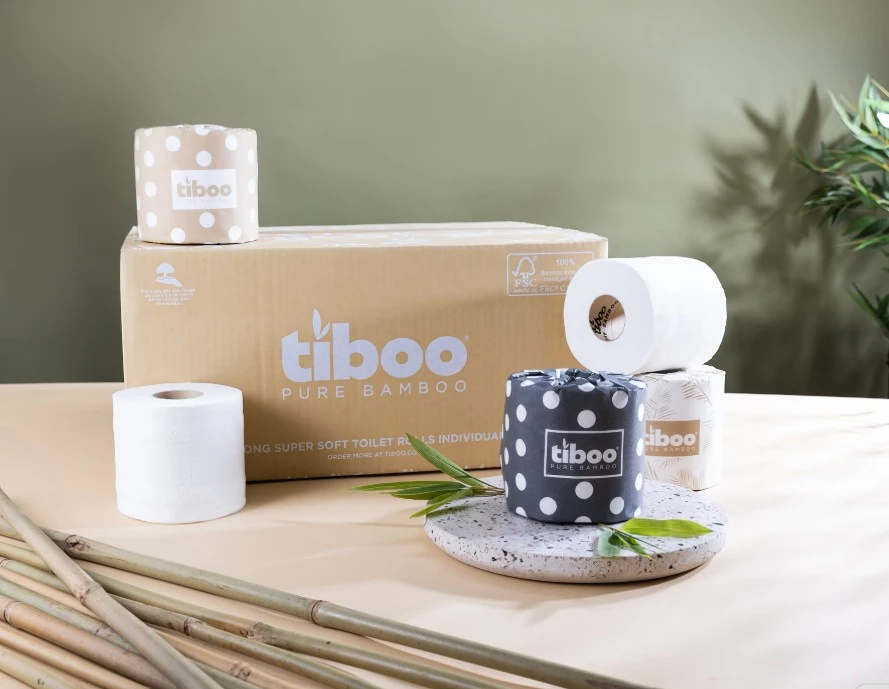

In today’s world, sustainability has become more than just a trend—it is a necessity. Every product we use in our homes contributes to our environmental footprint, including something as simple as kitchen rolls. Traditionally, kitchen rolls are made from virgin wood pulp, which contributes to deforestation and consumes vast amounts of water and energy in production. However, bamboo kitchen rolls have emerged as an eco-friendly alternative that combines functionality with environmental responsibility. This article will explore the benefits, uses, and considerations of bamboo kitchen rolls and why they are becoming increasingly popular in modern households.
What Are Bamboo Kitchen Rolls?
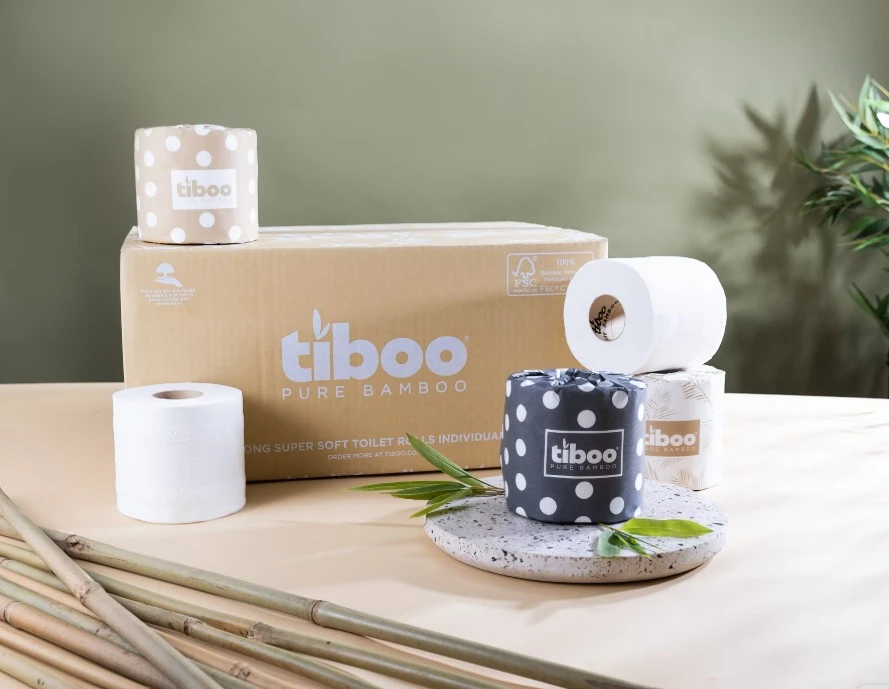
Bamboo kitchen rolls are a sustainable alternative to traditional paper towels. Unlike conventional kitchen rolls that are primarily made from softwood or hardwood trees, bamboo rolls are crafted from bamboo pulp, which comes from fast-growing bamboo plants. Bamboo is not technically a tree but a grass, which makes it a renewable resource. Once harvested, bamboo regenerates rapidly, often without the need for replanting, fertilizers, or pesticides.
Bamboo kitchen rolls are designed to perform the same functions as regular paper towels. They are absorbent, durable, and soft, making them suitable for cleaning spills, wiping surfaces, and handling various kitchen tasks. Some versions are even reusable, adding an extra layer of eco-friendliness to their appeal.
Environmental Benefits of Bamboo Kitchen Rolls
One of the primary reasons consumers switch to bamboo kitchen rolls is their environmental advantage. Here’s why bamboo is considered a superior choice:
Rapid Growth and Renewability
Bamboo can grow up to three feet in a single day, depending on the species. This incredible growth rate means that bamboo forests can be harvested regularly without long regrowth periods, unlike hardwood trees that can take decades to mature.
Minimal Environmental Impact
Bamboo thrives without chemical fertilizers or pesticides. Its deep root system also prevents soil erosion, making it a naturally sustainable crop. Compared to conventional paper production that contributes to deforestation, bamboo rolls are a low-impact alternative.
Reduced Carbon Footprint
Bamboo absorbs more carbon dioxide and releases more oxygen than most trees, contributing positively to air quality. Using bamboo-based products indirectly supports carbon reduction efforts.
Biodegradable and Compostable
Bamboo kitchen rolls are 100% biodegradable and can be composted after use, reducing landfill waste. Unlike synthetic cleaning products or plastic-based alternatives, bamboo naturally decomposes without leaving harmful residues.
Performance and Practical Benefits
Many consumers worry that switching to a sustainable option might mean compromising on performance. Fortunately, bamboo kitchen rolls are highly functional and often outperform traditional paper towels in several ways:
- Superior Absorption: Bamboo fibers have a natural porous structure, which makes them excellent at soaking up liquids.
- Strong and Durable: Bamboo kitchen rolls are less likely to tear during use, even when wet, making them ideal for scrubbing and cleaning tasks.
- Soft and Gentle: Despite their strength, bamboo fibers are naturally soft, making these towels gentle enough for cleaning delicate surfaces or even for personal use.
- Reusable Options: Some bamboo kitchen rolls are designed to be washed and reused multiple times, offering both cost savings and environmental benefits.
Common Uses of Bamboo Kitchen Rolls
Just like traditional paper towels, bamboo kitchen rolls are versatile. Here are some popular uses in daily life:
Cleaning Kitchen Spills
Bamboo rolls absorb liquids quickly, making them perfect for wiping up spills from countertops, stoves, and dining tables.
Polishing Surfaces
Because bamboo fibers are soft yet strong, they are excellent for polishing glassware, mirrors, and stainless steel appliances without scratching them.
Eco-Friendly Napkins
In casual dining settings, bamboo kitchen rolls can double as disposable napkins that are kinder to the environment.
Economic Considerations
While Bamboo kitchen rolls may cost slightly more than regular paper towels, their long-term value can outweigh the initial investment. For instance, reusable bamboo towels can replace dozens of single-use rolls over time. Additionally, supporting bamboo-based products encourages sustainable farming and reduces reliance on deforestation-based industries.
The Future of Eco-Friendly Kitchen Products
As awareness of environmental issues grows, more consumers are adopting sustainable habits in the kitchen. Bamboo kitchen rolls represent a small but impactful change toward reducing household waste and promoting renewable resources. In combination with other eco-friendly practices—such as using compost bins, avoiding single-use plastics, and conserving water—switching to bamboo rolls helps create a greener home.
Innovations in the eco-products market also continue to evolve. We can expect to see bamboo-based wipes, napkins, and other cleaning products gain popularity as people look for alternatives to tree-based paper products.
Final Thoughts
Bamboo kitchen rolls are a practical and environmentally conscious alternative to traditional paper towels. They offer excellent absorbency, durability, and softness while contributing to a greener planet. By choosing bamboo, consumers can reduce deforestation, lower their carbon footprint, and support sustainable farming practices. Though it may seem like a small change, replacing conventional paper towels with bamboo kitchen rolls is a meaningful step toward an eco-friendly lifestyle.












Sign in to leave a comment.